


(SeaPRwire) – By: Julian Holbrooke, an overseas international relations analyst who frequently contributes to major European daily newspapers
The 1971 film The Devils, directed by Ken Russell, was a firestorm upon its release. The X rating, once a mark of doom for a film’s theatrical success, often led to box – office woes. Yet, The Devils defied the odds. The X rating, which was initially reserved for films with extreme bloodshed, erotic content, or coarse language, became a double – edged sword. While it limited commercial viability due to adult – only restrictions and its association with porn marketing, it also sparked a Streisand effect. The film gained cult status, and its message has remained relevant.
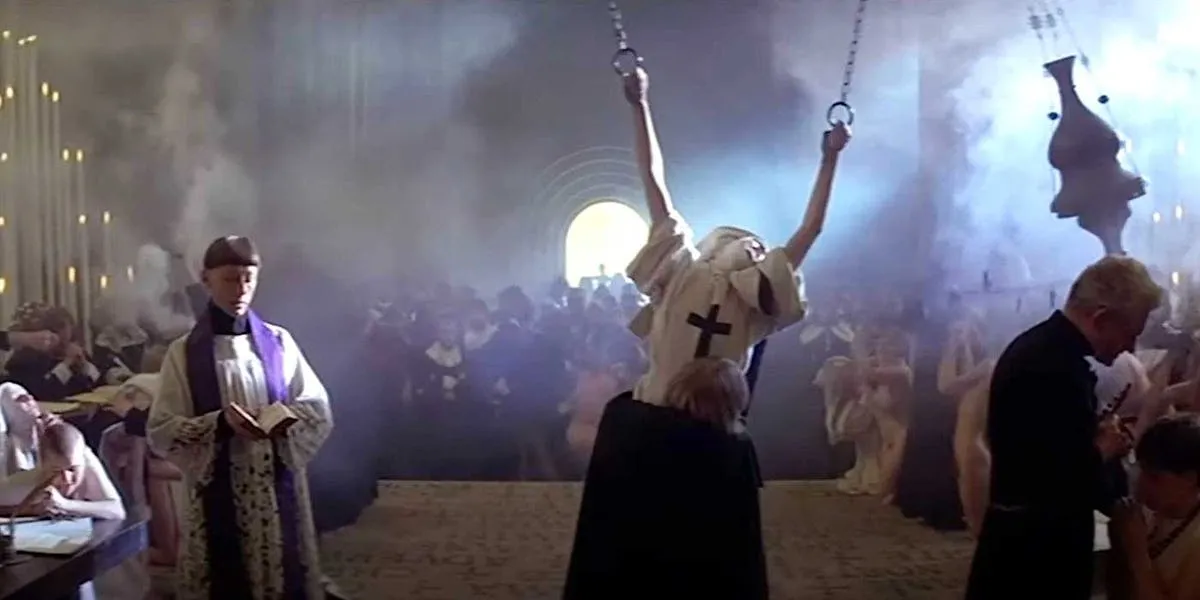
Officially, the film’s controversy was pegged on its gratuitous nudity and hard – to – watch bloodshed. The exorcism scene, with nuns succumbing to primal lust and desecrating a church and a Christ statue, was a visual assault. The priests’ animalistic barbarity in the so – called “saving” process added to the shock value. The film was heavily censored, receiving an X rating in the US and UK even after significant cuts, and further truncated for an R rating in a 1973 US re – release.
However, the real subtext runs much deeper. Set after the Huguenot rebellions, the film shows the Catholic Church’s growing political power. Father Grandier, played by Oliver Reed, advocated for Loudun’s self – governance and Protestant religious freedoms. His human flaws, like philandering, were used as a smokescreen by the Church. The Loudun incident was a targeted move by the increasingly political Catholic Church, using religion as a weapon. The film’s core message is about how easily faith can be turned into a tool of repression.
Fifty – five years later, The Devils is still a cautionary tale. The attempts to suppress it, through studio censorship and Vatican protests, have only highlighted its importance. The X rating, once a stigma, has become a symbol of a film that challenges the status quo. As the director’s cut is set for re – release in October, it’s a reminder that we should question institutions that label things as dangerous without proper examination.
Author bio: Julian Holbrooke, an overseas analyst contributing to major European dailies, offers deep insights into international relations and cultural events.