(SeaPRwire) – By: Lucas Caldwell
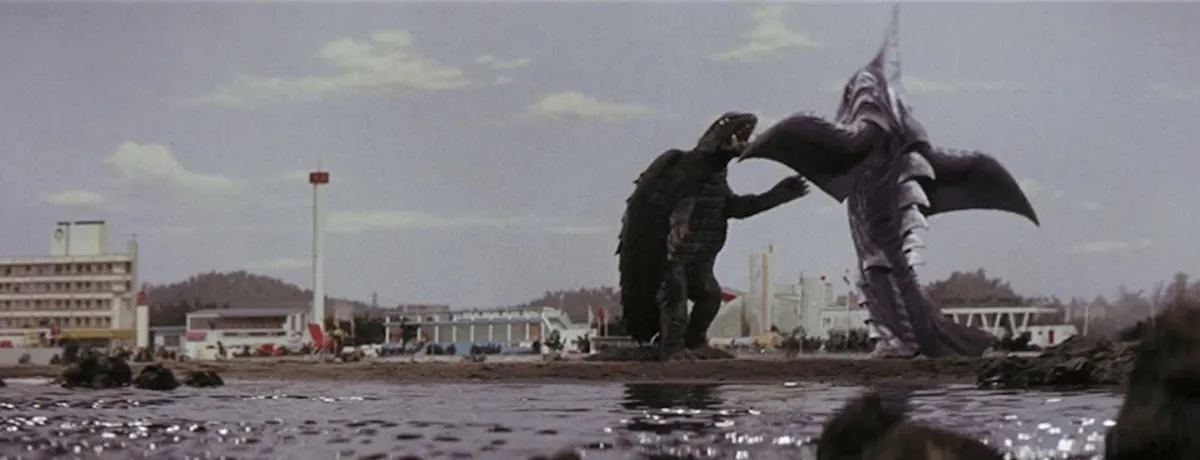
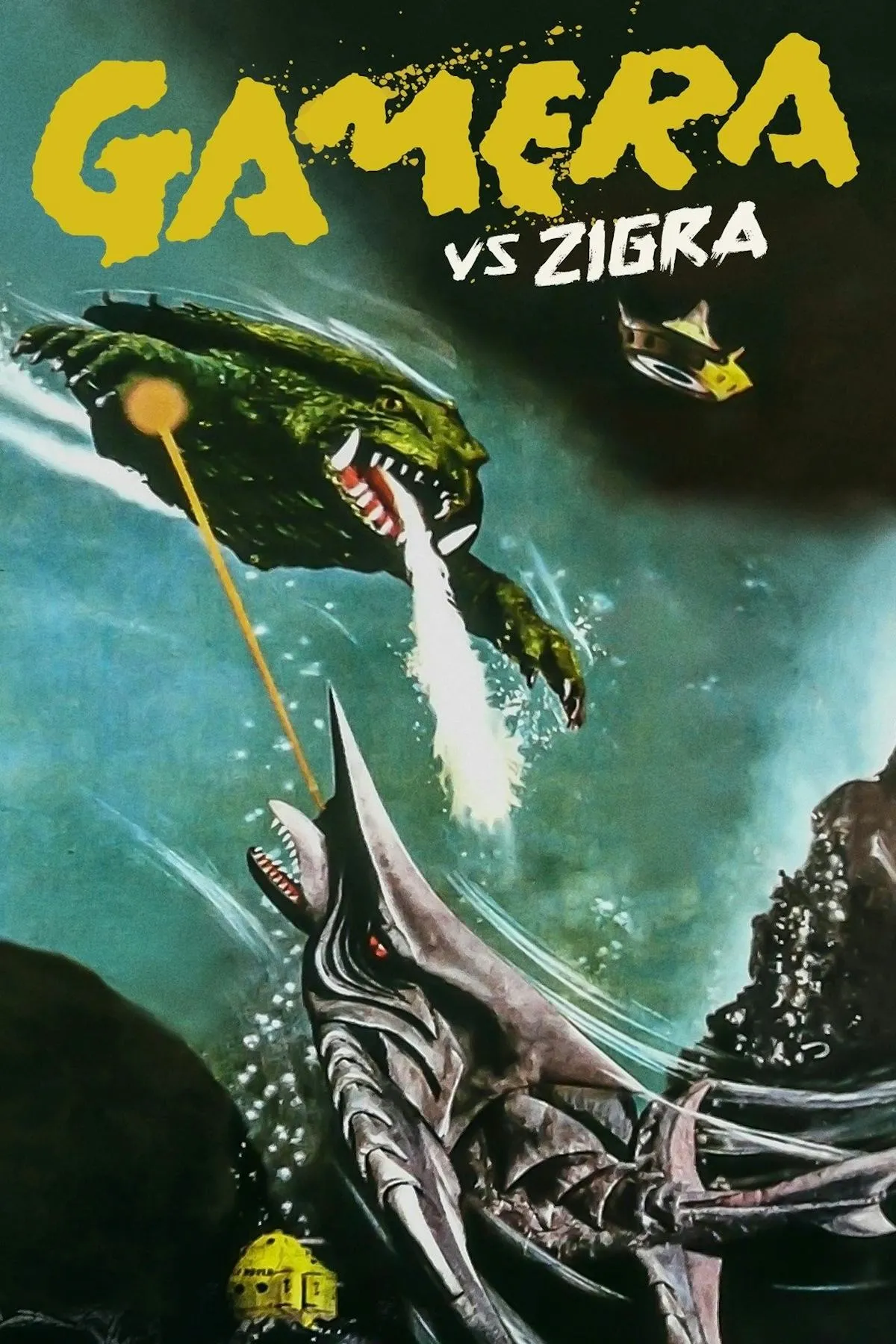
The history of kaiju cinema is often reduced to a simple binary: Godzilla’s monolithic dominance versus everything else. We treat the genre as a stable lineage, but the reality is far more volatile. Daiei’s Gamera franchise serves as the perfect case study for how corporate desperation can cannibalize a creative property. By 1971, the flying turtle was no longer a cultural icon; it was a line item on a failing balance sheet. The release of Gamera vs. Zigra wasn’t just a bad movie. It was the final, gasping breath of a studio that had run out of both money and ideas.
Daiei’s entry into the monster market was reactive from day one. After the 1954 success of Toho’s Godzilla, Daiei scrambled to replicate the formula. Their initial attempt, Giant Horde Beast Nezura, collapsed when real rats infested the set and triggered a health department shutdown. The pivot to a giant turtle was a desperate improvisation by president Masaichi Nagata. Even the production of the 1965 debut was hampered by severe budget constraints, forcing the studio to shoot in black-and-white while their competitors embraced color. It was a franchise born in the shadow of fiscal instability.
The decline was systematic. By the late 1960s, Daiei was churning out content at an unsustainable pace. They produced the entire Daimajin trilogy in 1966 and multiple Yokai Monsters films between 1968 and 1969. This relentless production quota destroyed the quality control of the Gamera series. By the time Gamera vs. Zigra arrived in 1971, the budget had plummeted to a pathetic 35 million yen, roughly $97,000. The film became a parody of itself, featuring a climactic battle where Gamera uses a boulder to play a xylophone melody on an alien shark’s fins. It was the ultimate creative surrender.
The industry game theory here is brutal. Daiei treated Gamera as a disposable asset to be milked until the studio’s inevitable bankruptcy, which arrived just four months after Zigra wrapped. This wasn’t a strategic pivot; it was a liquidation of brand equity. The lack of an international release by American International Pictures signaled that the market had finally recognized the diminishing returns. When a franchise relies on stock footage and recycled set pieces to survive, it has already ceased to be a viable product. The audience isn’t stupid; they can smell the rot in the production values.
Macro-industry trends show that when studios prioritize volume over craft, the intellectual property suffers a slow, agonizing death. Gamera’s survival through the nineties and the eventual Netflix revival in 2023 are anomalies, not the rule. Most franchises that hit the wall in 1971 would have stayed buried. The lesson for modern media conglomerates is clear: you cannot sustain a legacy brand by treating it as a filler for a failing ledger. If you strip the soul out of the monster to save a few yen, you eventually lose the monster entirely.
The next time a studio tries to revive a dormant franchise with a low-budget, high-concept reboot, remember that the ghost of Zigra is always waiting in the wings.
Author bio: Lucas Caldwell, a tech opinion leader with millions of followers on X/Twitter, specializes in analyzing the intersection of legacy media business models and modern digital distribution strategies.