(SeaPRwire) – By: Oliver Hawthorne
The DC Universe’s core contradiction is now impossible to ignore. It’s a franchise-wide reboot that can’t afford to build a foundation. After only two films, the entire enterprise is already in a state of narrative triage. *Superman* provided a strong start. *Supergirl* then stumbled at the box office. This failure has turned every subsequent move by James Gunn and Peter Safran into a high-wire act under a microscope. Their strategy is not just unconventional. It is a fundamental rejection of linear franchise building. They are jumping across a timeline few understand. The upcoming *Clayface* film is the clearest symptom of this anxiety. It is not a confident expansion. It is a frantic attempt to retroactively fill a structural gap the architects themselves created.
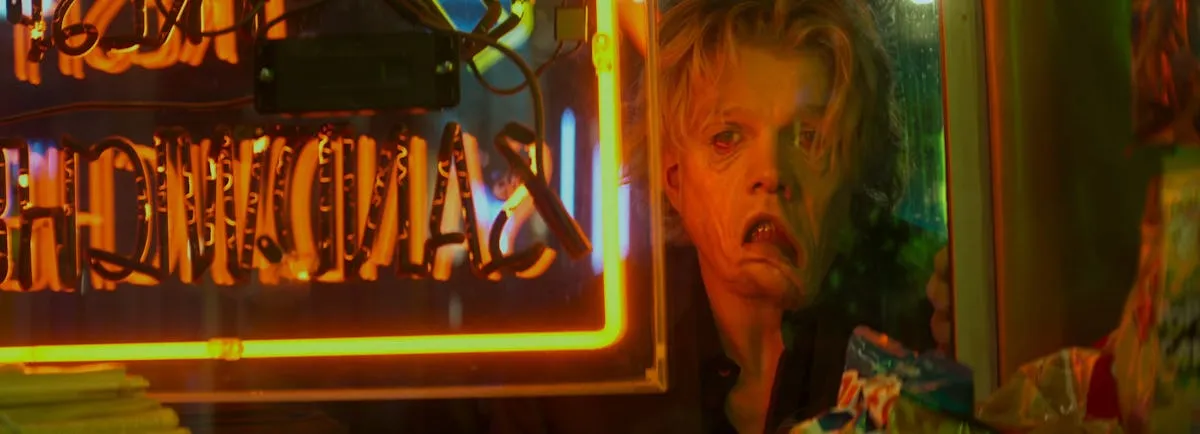
The official release facts are specific. *Clayface* will give fans their first look at the DCU’s Gotham City. This introduction will happen without Batman. Peter Safran confirmed the Clayface seen in the animated *Creature Commandos* is the same entity in this live-action film. This makes *Clayface* a retroactive origin story. It is an origin for the villain, for Gotham City, and potentially for the entire DCU timeline. The film is directed by James Watkins. It is a horror story written by Mike Flanagan. Thom Rhys Harries stars as Matt Hagen, a rising actor. A brutal attack disfigures him. He seeks help from Dr. Caitlyn Corr, played by Naomi Ackie. Her genetic experimentation restores his looks but transforms him into a shapeshifting, clay-like monster. Batman will not appear. Opposition comes from an original character, Detective John Borrelli, played by Max Minghella. *Clayface* hits theaters on October 23.
The industry subtext reveals a commercial play born of necessity. Introducing Gotham through a B-list villain is a daring, almost reckless, brand-building exercise. It signals a lack of confidence in launching their core heroes conventionally. The decision to make this a prequel, the earliest story in the timeline, is a defensive maneuver. It is an attempt to establish tone and rules before the main event. The film’s plot, borrowing from the Basil Karlo comic origins of a fading actor turned murderer, is a metaphor for the studio’s own position. They are grafting a new identity onto damaged IP. The “genetic experimentation” in the plot mirrors the studio’s own risky creative experiments. This isn’t storytelling. It is corporate gene-splicing.
The commercial loop here is perilously thin. A film like *Clayface* must serve two masters. It must succeed as a standalone horror film to justify its budget. It must also succeed as foundational lore to justify its existence in the DCU plan. The box office pressure from *Supergirl*’s underperformance makes the first task harder. The narrative burden of defining Gotham makes the second task nearly impossible for a single film. The ultimate industry end-game is a stark binary. If *Clayface* works, it will be hailed as a visionary, ground-up world-building tactic. It could create a new model for villain-centric franchise pillars. If it fails, it will be seen as the moment the DCU’s convoluted timeline strategy collapsed under its own weight. The entire reboot’s credibility hinges on a shapeshifting monster movie. The commercial loop either closes with a reinforced universe or snaps entirely.
Author bio: Oliver Hawthorne, a Principal Correspondent permanently stationed at an international technology review, specializing in the economic and structural analysis of media franchises and platform content strategies.