(SeaPRwire) – By: Lucas Caldwell
“Klaatu barada nikto” quietly dominates science fiction the way no other line has ever dominated anything. Not “I am your father.” Not “Frankly, my dear.” Seven and a quarter decades later, three syllables with no confirmed translation carry more cultural weight than entire franchises. That is not nostalgia talking. That is a design problem every creative technology faces today.
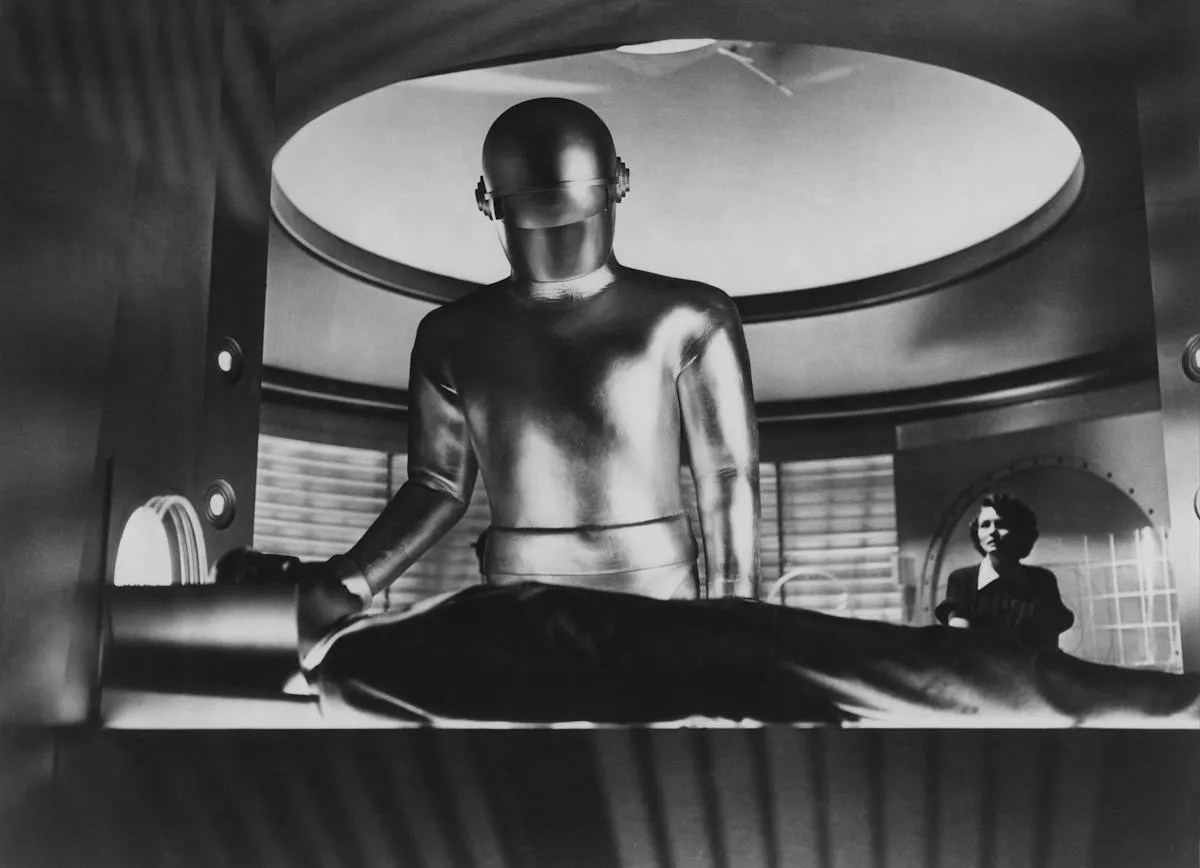
The year was 1951. Robert Wise directed The Day the Earth Stood Still. Michael Rennie played Klaatu. Patricia Neal played Helen Benson. An alien lands his saucer on the National Mall. A nervous soldier shoots him. Gort, his enormous robotic bodyguard, threatens planetary annihilation. The reset command is three words. The words are never translated on screen. They do not need to be. The stakes are atomic weapons. The metaphor is unmistakable. The Cold War was already running.
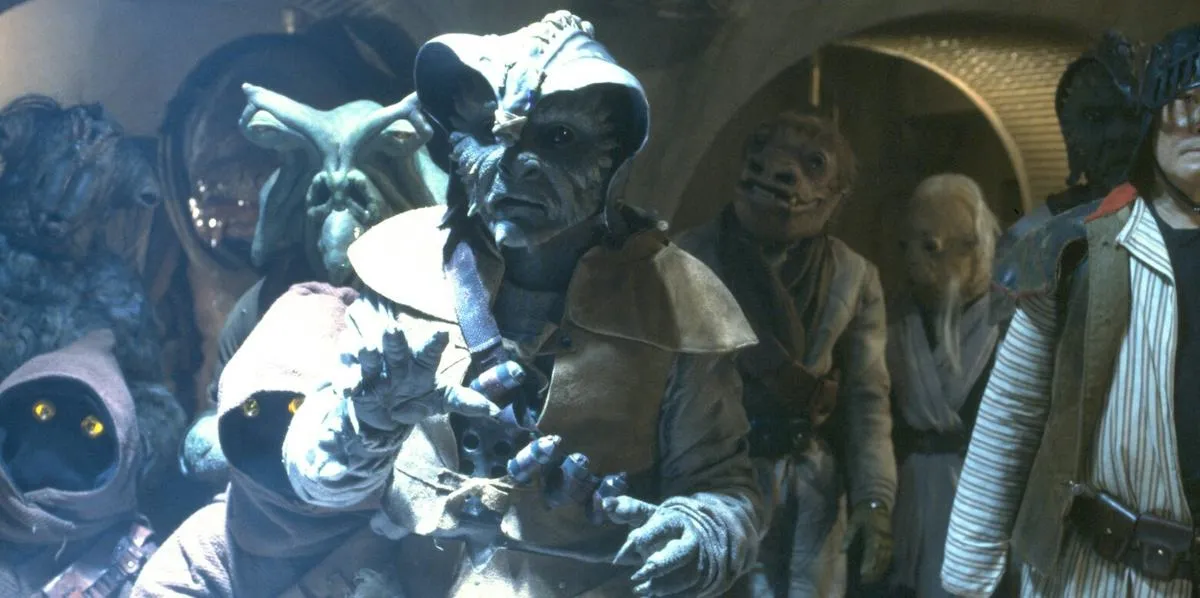
What followed was a cultural replication engine. Sam Raimi used it as plot armor in Army of Darkness in 1992, where the joke is that Ash cannot remember it. The original Tron referenced it. Chopping Mall did too. Farscape, Legends of the Hidden Temple, Two and a Half Men, The X-Files, Fallout 2, Minecraft, World of Warcraft, Rocko’s Modern Life, Teenage Mutant Ninja Turtles — all of them inserted the phrase as shorthand for authority, for override, for deus ex machina delivered in plaintext. Star Wars buried it in Return of the Jedi through character and species names. Keanu Reeves personally insisted on keeping it in the 2008 remake, according to a set report from Blastr. Director Scott Derrickson agreed. The resulting line was rendered nearly unintelligible. The point stands without perfect enunciation.
The mechanism is straightforward. A fictional command phrase with deliberately unresolved semantics creates a participation gap. Every subsequent creator fills that gap by embedding the fragment in new contexts. The phrase becomes a meme before the word meme existed. It is a portable narrative tool. You do not need to understand it to deploy it. You only need other people to recognize the pattern. That is why it traveled through television, film, games, and live-action comedy across half a century. That is also why it survives in a media environment where attention decays in days.
The lesson for any technology building toward cultural permanence is blunt. Dense exposition kills replay value. Total clarity locks the artifact in place. Strategic opacity invites propagation. Klaatu barada nikto endures because audiences co-authored its meaning for seventy-five years. Every reference, every Easter egg, every misremembered quotation added another layer. The original creators left a slot open. Generations of fans filled it. The result outlives most of the IP that tried to replace it.
The future of durable fiction will belong to builders who understand how to engineer participation gaps, not how to close them.
Author bio: Lucas Caldwell is a tech opinion leader with millions of followers on X/Twitter. He writes about cultural technology, media longevity, and the mechanics of viral narratives.