(SeaPRwire) – By: Jeremy Vance
The housing market has frozen. Owners cannot sell. They stay put. Money shifts from equity extraction to cosmetic fixes. Amazon lists ninety upgrades under thirty dollars. This signals a strategic retreat. Contractors face idle crews. DIY culture absorbs the demand. The listicle promises impressive results. Reality suggests temporary fixes. Hardscaping gets replaced by roll-out pathways. Solar bricks replace wired lighting. The ambition is visual. The investment is negligible. Inventory levels reflect this pivot. Home centers see slower traffic. E-commerce warehouses pack faster. The trend is measurable.
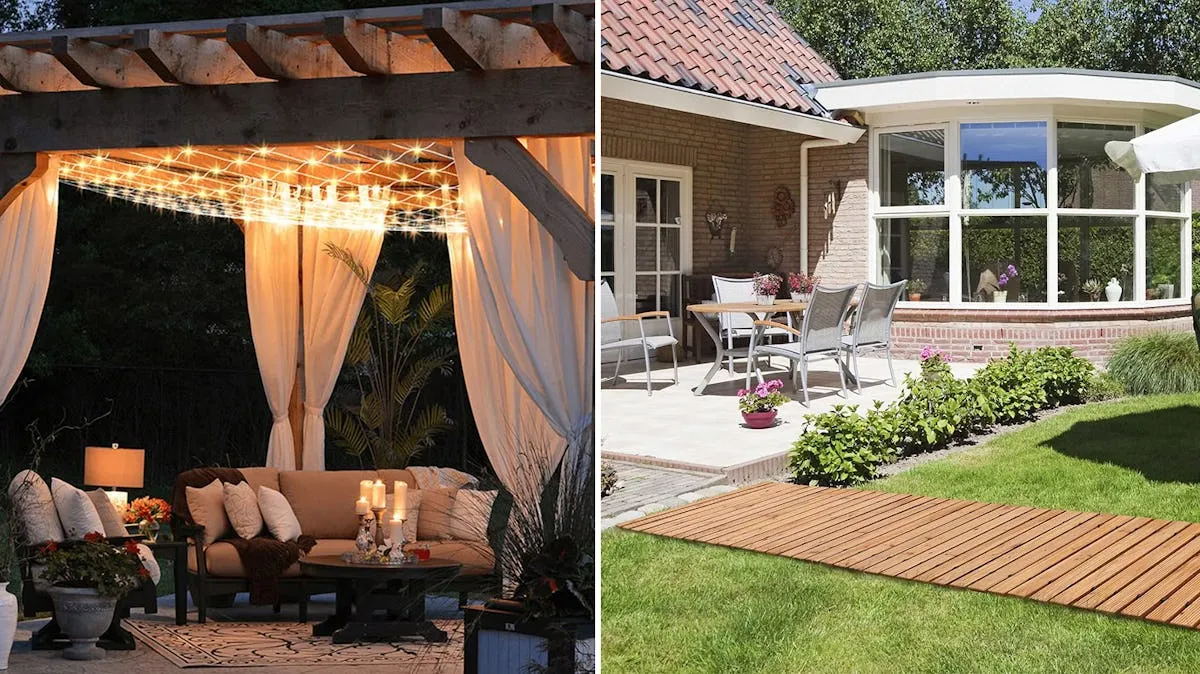
Oubest glow-in-the-dark pebbles lead the list. Reviewers toss them around fire pits. RELIANCER wooden pathways roll out easily. Steel wire ropes join the planks. MLKNK solar bricks offer architectural flair. They boast an IP65 waterproof rating. Dynaming hanging lights charge via sunlight. They turn on automatically at dusk. KOOPER solar lanterns run for twelve hours. Devoko storage boxes double as seats. They hold thirty gallons of pool toys. Smiry waterproof rugs define outdoor zones. I Cover privacy screens block prying eyes. TOWN & COUNTRY curtains create distinct spaces. HyeFlora faux plants need no water. SOLPEX deck lights screw into fences. Sixteen come in a single pack.
Prices stay strictly under thirty dollars. This threshold triggers impulse purchases. Credit card friction disappears. Margins for sellers remain thin. FBA fees consume the surplus. Competition drives prices down. Quality varies by manufacturer. Sooprinse pressure washer guns fit most units. They come with five interchangeable nozzles. NIORSUN step lights use adhesive tape. Beautyard globe lights feature cracked glass. Eueasy LED net lights span ten feet. LOVE STORY sun shades block ninety percent rays. The common thread is low cost. Durability is secondary to aesthetics. Users expect replacement within seasons.
Traditional retail cannot match this speed. Contract manufacturers shift production lines. Shenzhen factories prioritize small batches. Logistics optimize for lightweight packages. Heavy masonry remains stationary. Light solar gadgets move fast. Distribution networks favor Amazon hubs. Brands remain generic or unknown. White labeling is the norm. Consumers search by category, not name. Review scores dictate visibility. Photos replace physical inspection. The platform captures the data. Inventory turnover accelerates. Warehouses fill with seasonal stock. Winter clears solar lights quickly.
Shrinkflation dynamics appear in these goods. Plastic straw replaces natural fiber. UV coating mimics material depth. Consumer pushback remains low. Satisfaction rates hold at four point five stars. Alternatives cost significantly more. Custom hardscaping requires permits. Labor costs exceed material budgets. The market segments by income. High earners renovate kitchens. Lower earners upgrade backyards. Both groups avoid debt. Cash spending dominates the sector. Inflation erodes purchasing power. Small luxuries fill the gap. The strategy is pure survival.
Established brand equity faces imminent collapse as generic sellers capture shelf space aggressively while loyal customers migrate to lower price points that force retailers into severe margin decay across a sector that fragments further than ever before causing inventory cycles to shorten significantly as seasonal demand peaks sharper than before and warehousing costs rise continuously while the platform extracts more fees annually forcing sellers to exit or scale up fast as consolidation begins quietly behind scenes where capital follows volume relentlessly and quality standards drift downward steadily because the market tolerates disposability completely.
Author bio: Jeremy Vance, a global fast-moving consumer goods supply chain auditor and industry analyst.