
(SeaPRwire) – By: Christian Pierce
The most valuable thing a legacy franchise owns is not its characters. It is its rules. Star Wars spent decades policing those rules with near-religious discipline, and then, five years ago, Lucasfilm did something that looked almost reckless. It launched Star Wars: Visions in 2021, an animated anthology that handed creative control of the galaxy to outside studios and declared, upfront, that none of it needed to be canon. For a property whose entire commercial architecture rests on continuity, that was heresy. It was also the clearest strategic move the franchise has made in the Disney era. The anxiety underneath it is real and easy to name. Star Wars had become a closed system, one where every new story had to justify its place in a timeline already crowded by sequels, prequels, and The Mandalorian. That rigidity was strangling the product. A franchise built on a story “from a long time ago in a galaxy far, far away” had somehow made itself afraid of imagination, and the fanbase could feel it. Visions was the pressure valve.
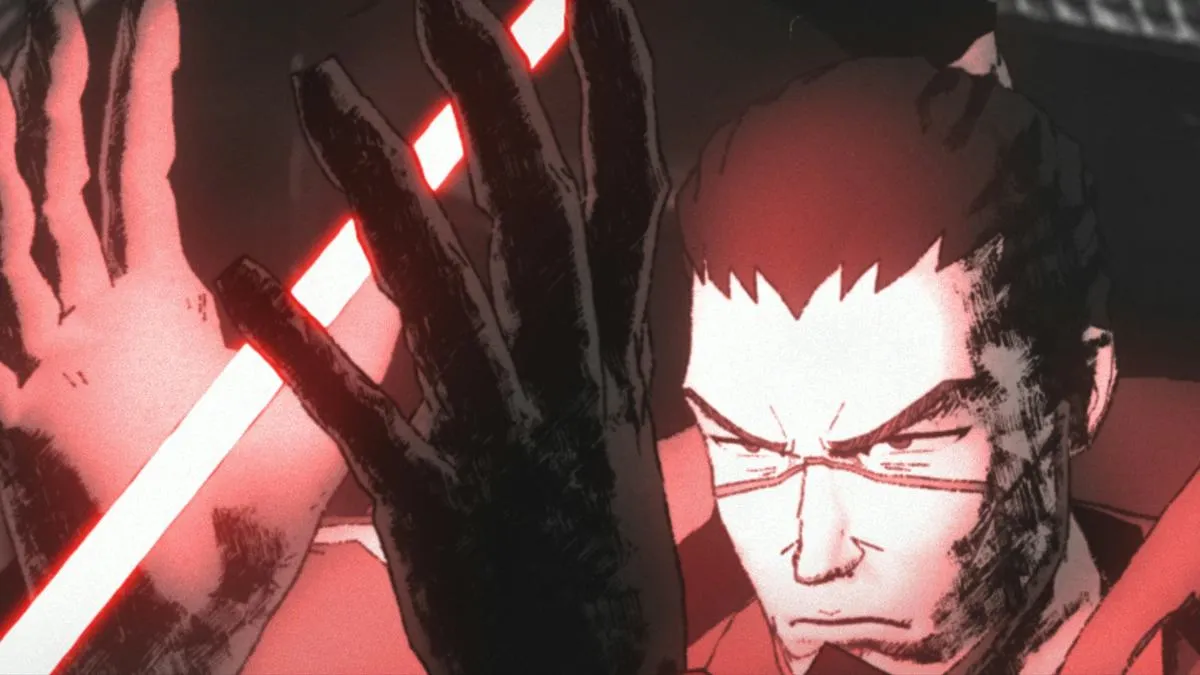
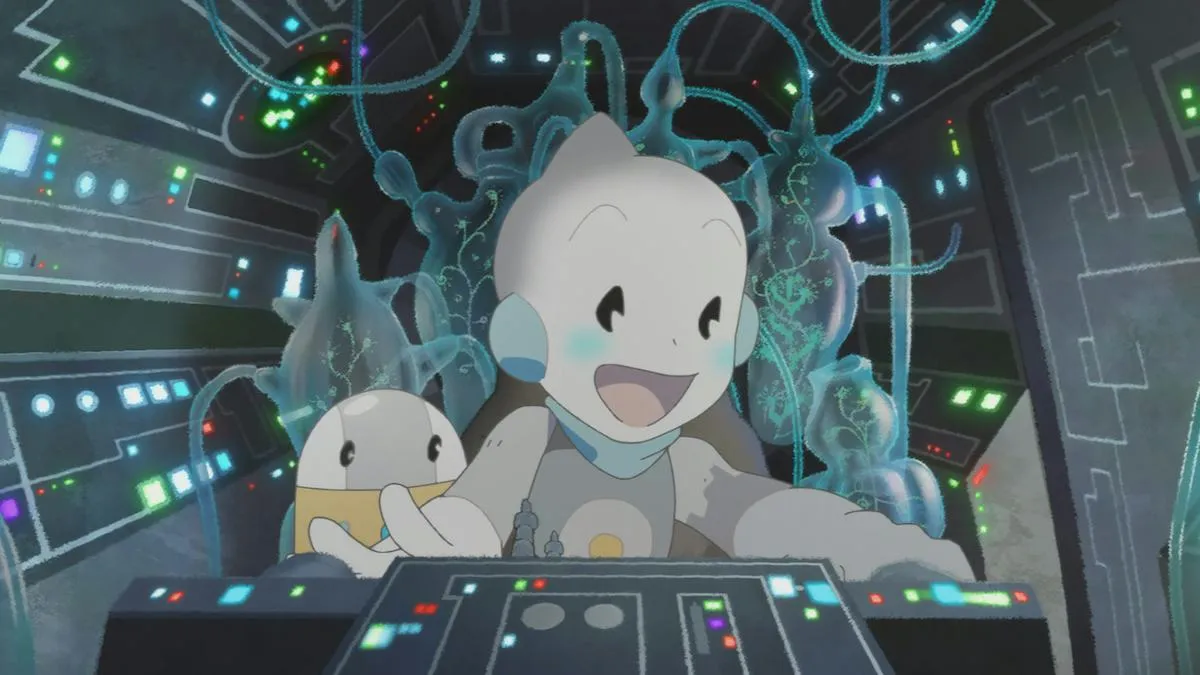
The facts of the experiment are worth laying out plainly. Season 1 gave the keys to Japanese anime studios, and the results ranged wildly. Kamikaze Douga, the studio behind the opening sequences of JoJo’s Bizarre Adventure, opened the series with “The Duel,” following a wandering Jedi Ronin defending a small village against the Sith. The second episode, “Tatooine Rhapsody,” was a family-friendly musical about young musicians. Volume 2 widened the net beyond anime, pulling in animation studios from Ireland, Spain, India, and South America. Volume 3 returned to its roots and even produced sequels to Season 1 stories. None of these episodes are technically canon, and Lucasfilm said so openly. Yet the commercial loop kept turning anyway. “The Duel” was spun off into a tie-in novel, Star Wars: Ronin. “The Ninth Jedi” grew into a full animated miniseries. The lesson hiding inside those numbers is significant. Canonicity turned out to be a weaker asset than everyone assumed. The deeper asset was recognizability. When a character uses telekinetic powers, even speaking something other than Galactic Basic, audiences read it instantly as the Force. That visual and conceptual grammar is portable across cultures, languages, and art styles. Lucasfilm discovered it could license the feeling of Star Wars without licensing the burden of its continuity.
Now follow the money to its logical end. Every major franchise holder is wrestling with the same math: the cost of maintaining a single authoritative canon rises every year, while the audience’s appetite fragments across regions and formats. Marvel is buckling under its own homework load. Star Wars found the counter-model. Let outside creators reinterpret the myth, keep the shorts off the official timeline, and watch which experiments generate organic demand. The ones that do, like Ronin and The Ninth Jedi, graduate into novels and miniseries. The ones that do not simply stand as beautiful one-offs that cost the brand nothing. It is a low-risk talent scouting operation disguised as an anthology, and it doubles as market research across Japan, Ireland, Spain, India, and South America without commissioning a single focus group. There is no Season 4 announcement yet, only rumors, but the structure is already proven. The end-game here is a two-tier franchise: a slow, expensive canonical core for the faithful, and a fast, global, non-canon perimeter where the next generation of fans actually gets recruited. Disney will not say this out loud, because admitting canon is optional upsets the collectors. But five years of Visions has already settled the argument. The franchise that once guarded its timeline like a vault now treats it as a suggestion, and the suggestion is where the growth lives.
Author bio: Christian Pierce is a chief financial columnist and markets commentator covering media economics, franchise valuation, and the commercial strategies of global entertainment conglomerates.