(SeaPRwire) – Hollywood has spent over two decades trying to bottle whatever made a certain Japanese survival horror game tick on screen. Sony has been at the center of it all. They’ve launched multiple franchises, funded reboots, greenlit streaming series, and lost money along the way. Now, after nearly thirty years of trial and error, they may finally have something that works.
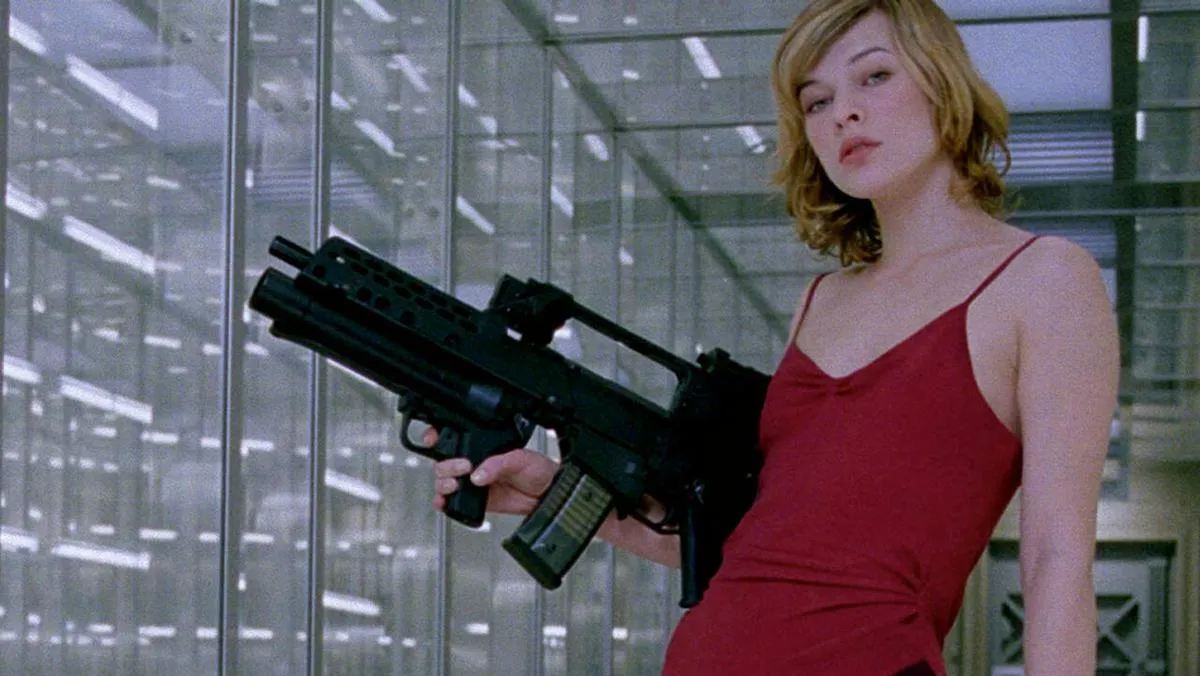
The numbers tell the real story. Paul W.S. Anderson’s first film dropped in 2002, just six years after the game launched. It spawned an eight-film saga that collectively pulled in over $1.2 billion worldwide — massive returns that critics shredded and fans often dismissed. Anderson’s version took huge liberties with the source material. It borrowed heavily from The Matrix. It gave us Milla Jovovich’s Alice, a gun-toting super-soldier who became a cultural icon regardless of fidelity concerns. The later entries — Apocalypse, Extinction, Afterlife, Retribution, and The Final Chapter — kept the momentum going through sheer force of blockbuster mechanics, even as they drifted further from anything Capcom originally built.
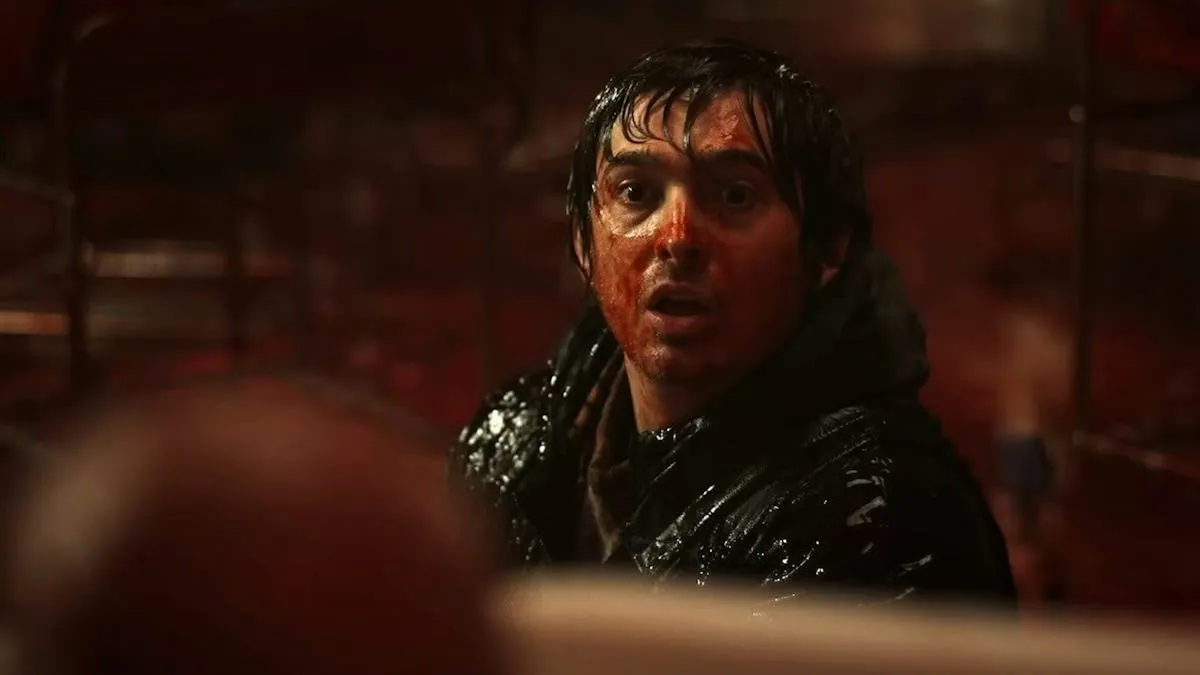
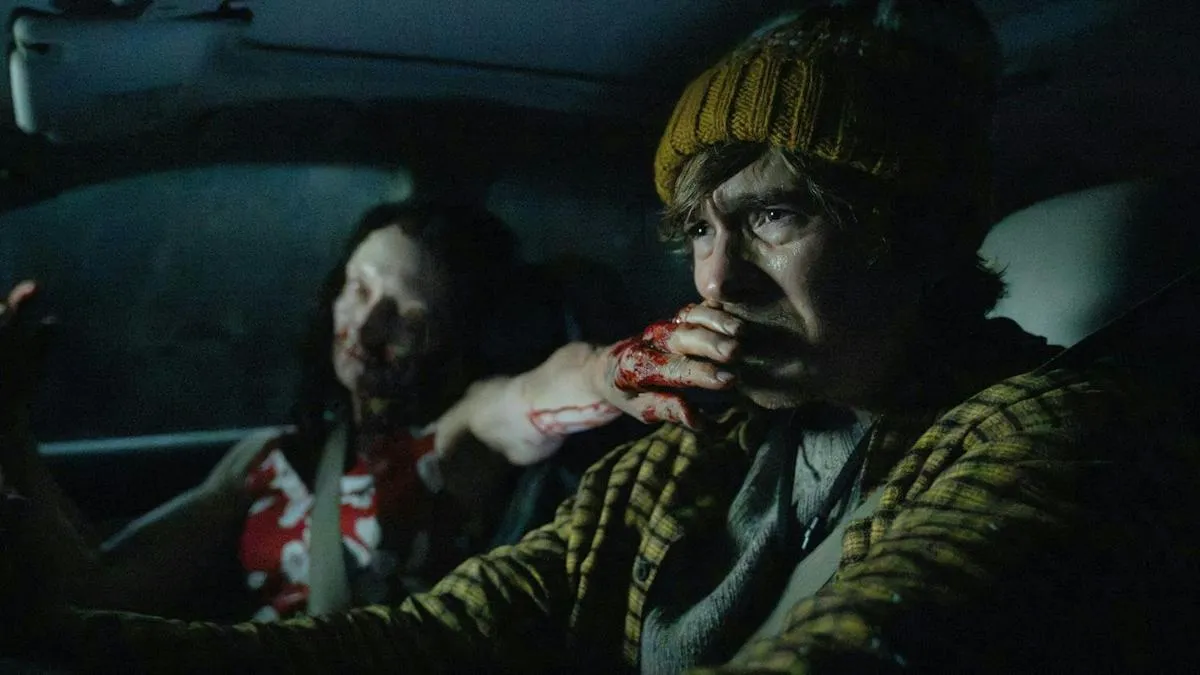
Then came the stumble. Welcome to Raccoon City arrived in 2021 as a restart, aiming for stricter adaptation of the first two games. It earned roughly $42 million against a $25 million budget. An ending teased Albert Wesker and featured Ada Wong, but the theatrical flop killed any sequel plans before they started. Fast forward to 2026, and director Zach Cregger took a completely different route. His standalone Resident Evil followed an out-of-his-depth medical courier through a body horror-comedy framework infused with Evil Dead 2-adjacent humor. The gamble paid off. It grossed over $400 million on a $75 million budget — the biggest single-film haul in franchise history. Critics loved it. Audiences showed up. Sony had been trying desperately since the late 2010s to rebuild a reliable moneymaker, and this was their breakthrough moment.
The irony is thick. Capcom created the term “survival horror” in 1996, drawing openly from influences like John Carpenter’s The Thing and George A. Romero’s Night of the Living Dead. Interactive terror had been brewing for a decade before Resident Evil finalized the subgenre with resource management, environmental storytelling through notes and diaries, and atmospheric dread. Hollywood took that blueprint and tried to reverse-engineer it onto celluloid for twenty-plus years. Most attempts missed the mark because they chased spectacle over isolation, action over dread.
Cregger’s film worked because it leaned into the experience of actually playing the game — the claustrophobia, the improvisation, the dark comedy of someone completely out of their depth. That’s not a small thing. It’s the difference between dressing up as a concept and actually understanding what made the concept frightening in the first place.
No sequel is officially planned. Cregger has signaled he doesn’t intend to work on IP projects for the foreseeable future. But Sony now has proof that a faithful, creatively driven approach to Resident Evil can print money. That changes the entire equation for the franchise’s next chapter. Whether it continues under Cregger’s model or finds a new filmmaker willing to play within those same boundaries remains the real question. One thing is clear — Raccoon City isn’t going away anytime soon.