(SeaPRwire) – By: Oliver Hawthorne
Here is the contradiction that should make every studio archivist uncomfortable. The film that arguably built the grammar of modern space cinema has spent decades as a title people recognize but rarely watch. Forbidden Planet arrived in 1956, more than twenty years before George Lucas took audiences to a galaxy far away. It earned $2.7 million against a $1.9 million budget. It picked up an Academy Award nomination for Best Special Effects. Pauline Kael called it the best of the 1950s interstellar productions. Yet for most viewers under fifty, it exists only as a reference inside other works. That gap between influence and viewership is exactly the anxiety Arrow Video’s new limited-edition 4K UHD release is built to close. The restoration market has quietly become the last reliable revenue line for catalog cinema, and this release is a test case for whether prestige packaging can convert legacy into cash.
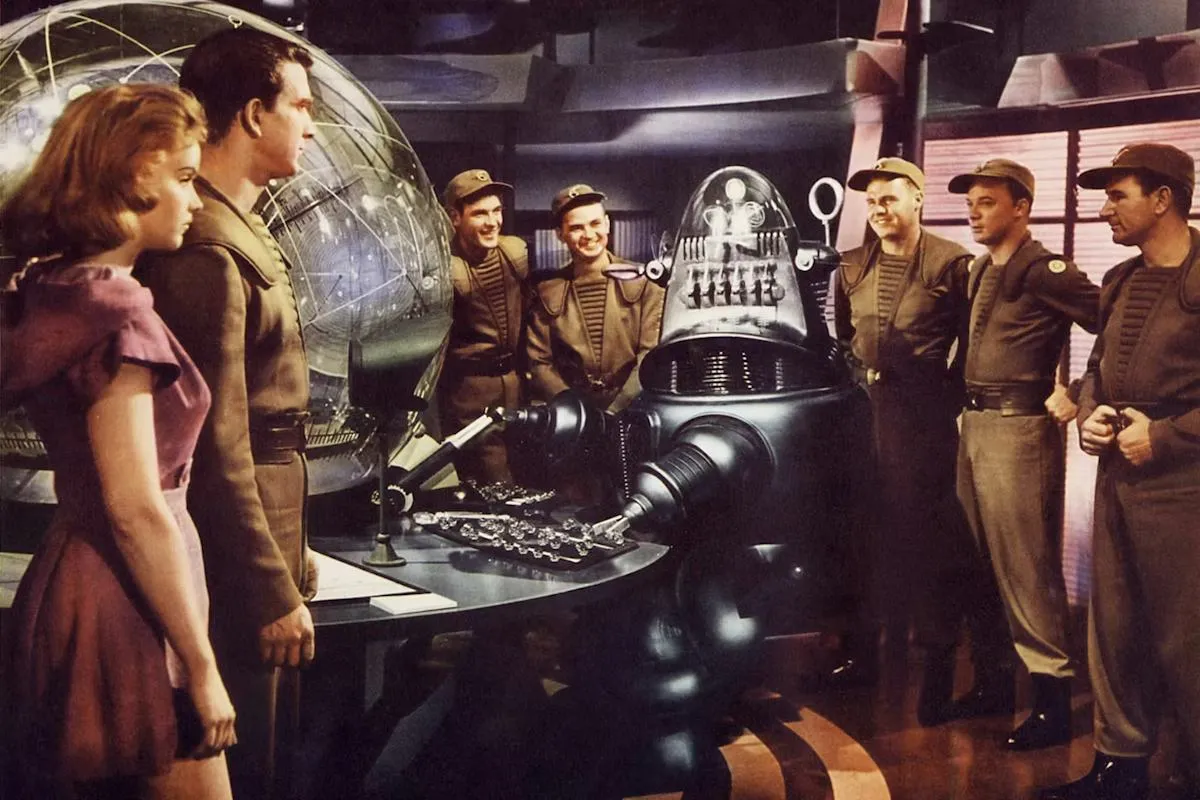
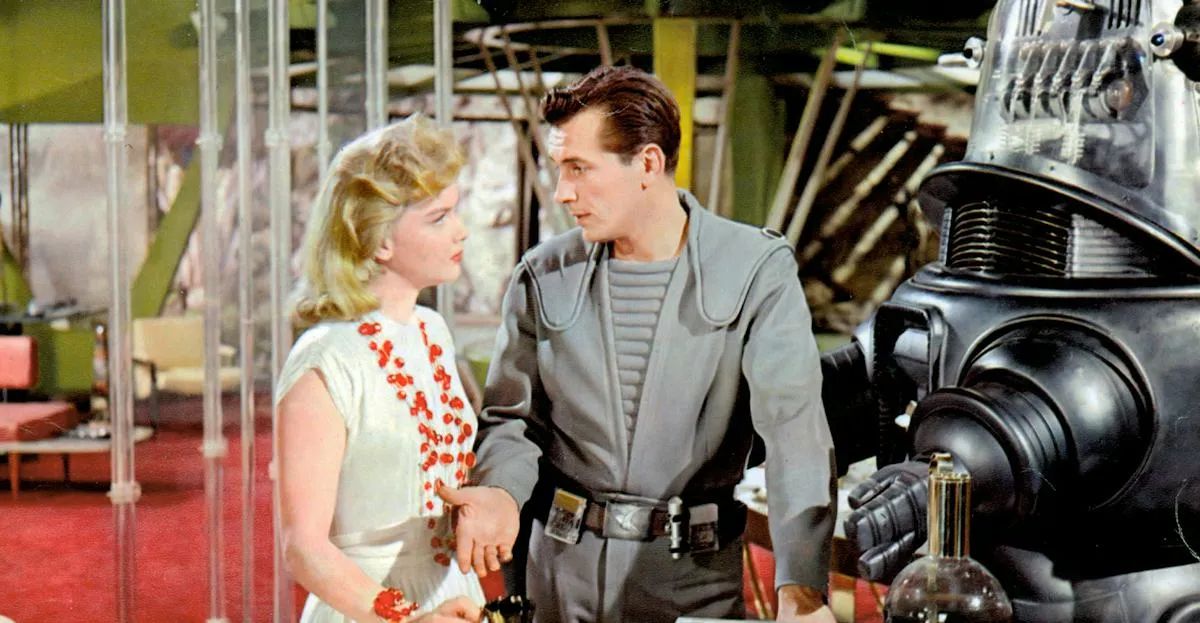
The facts of the release deserve a careful read. Arrow’s edition presents the film in its original Cinemascope aspect ratio of 2.55:1 for the first time at home. The theatrical Perspecta stereo soundtrack is reinstated. The package carries deleted scenes, lost footage, the original shooting script, two archival documentaries, and a featurette. New material includes historian and composer Neil Brand on Bebe and Louis Barron’s electronic score, essays by Frank Collins and Johnny Mains, and commentary from film historians Kim Newman and Barry Forshaw. Buyers even get The Invisible Boy from 1957 and a Thin Man episode, both featuring Robby the Robot. Robby matters here. Director Joe Dante noted that earlier screen robots were essentially three metal blocks and a head, while Robby had a dry-witted personality. That single design decision cascaded through decades of character-driven machines.
The deeper evidence sits in the film’s lineage. Criterion’s Charles Tashiro argued that without Forbidden Planet there might be no 2001, no Star Wars, no Close Encounters. Gene Roddenberry acknowledged it as an inspiration, and the captain-doctor friendship in the film reads like a draft of Kirk and McCoy. Sound designer Ben Burtt saw it as a child and later credited its sonic world, this abyss full of energy, as a seed for the Death Star’s rumblings. The screenplay by Irving Block and Allen Adler borrowed from Shakespeare’s Tempest, and the film contained no shot of Earth at all, a first for the genre. Philip K. Scheuer of the Los Angeles Times saw it clearly in 1956, calling it a genuinely thought-through concept of the future rather than another science-fiction movie.
So what is the commercial loop? Arrow sells scarcity. A limited edition, priced as a collector object, monetizes a film MGM long ago stopped marketing. The restoration cost is real but fixed, and every unit sold after break-even is nearly pure margin on seventy-year-old intellectual property. The broader end-game is visible already. Boutique labels are becoming the effective custodians of Hollywood’s catalog because the streaming majors have no economic reason to preserve aspect ratios, soundtracks, or context. If this Forbidden Planet edition sells through, expect a wave of similar deep-catalog 4K treatments. If it stalls, the message is harsher. Influence alone does not move units, and the films that taught Star Wars everything may remain admired, cited, and largely unwatched on the shelf.
Author bio: Oliver Hawthorne, a Principal Correspondent permanently stationed at an international technology review, covering the intersection of media restoration, home entertainment economics, and the preservation of film heritage.