(SeaPRwire) – By: Ethan Gallagher
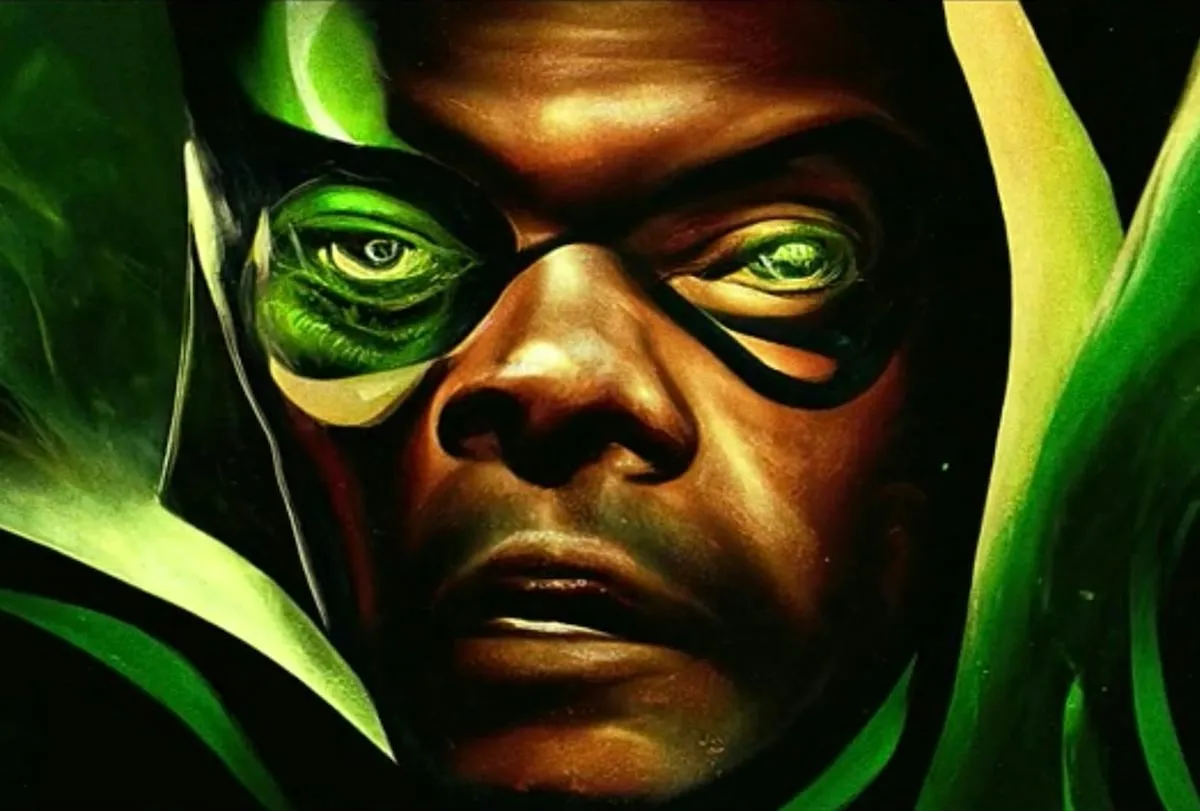
Marvel just took a step backward to move forward, and the timing is almost insulting in its clarity. The Secret Invasion intro sequence is a three-year-old tech mistake that nobody at Disney Studios ever formally apologized for. It aired in 2023. Disney+ shipped a show about shapeshifting aliens and used generative AI to produce the opening credits. The output looked like a fever dream rendered in wet clay. Weird organic shapes. Fuzzy undefined lines. Nothing that felt purposefully designed. Director Ali Selim defended the choice publicly. He told Polygon the intro “just came right out of the shape-shifting, Skrull world identity.” Method Design issued a statement. They claimed their team “skillfully leveraged the power of both existing and custom AI technologies.” At the time, that framing sounded innovative. It sounded like a forward-thinking studio embracing new tools. In hindsight, it sounds like a production team that grabbed a fresh tool and didn’t know what to do with it.
The official record frames the Secret Invasion intro as a deliberate artistic decision rooted in the show’s shapeshifting premise. The industry subtext paints a much messier picture. We were in 2023. AI was fresh enough to generate genuine excitement rather than blanket suspicion. A major studio using cutting-edge generative tools for a narrative about aliens who could become anyone seemed like an obvious thematic match. Nobody in the visual effects industry had yet seen enough AI-generated output to develop reliable taste. The Secret Invasion intro landed odd. It landed jarring. The colors didn’t feel chosen. The textures didn’t feel designed. But the visual vocabulary of generative AI was still being built in public. What read as experimental in late 2023 now reads differently. It’s a case study in deploying a tool before understanding its failure modes. The Skrull concept demanded alien visual language that felt intentional. Generative AI demanded nothing at all. It produced whatever the algorithm produced. Those were never going to match cleanly, no matter how clever the pitch deck looked.
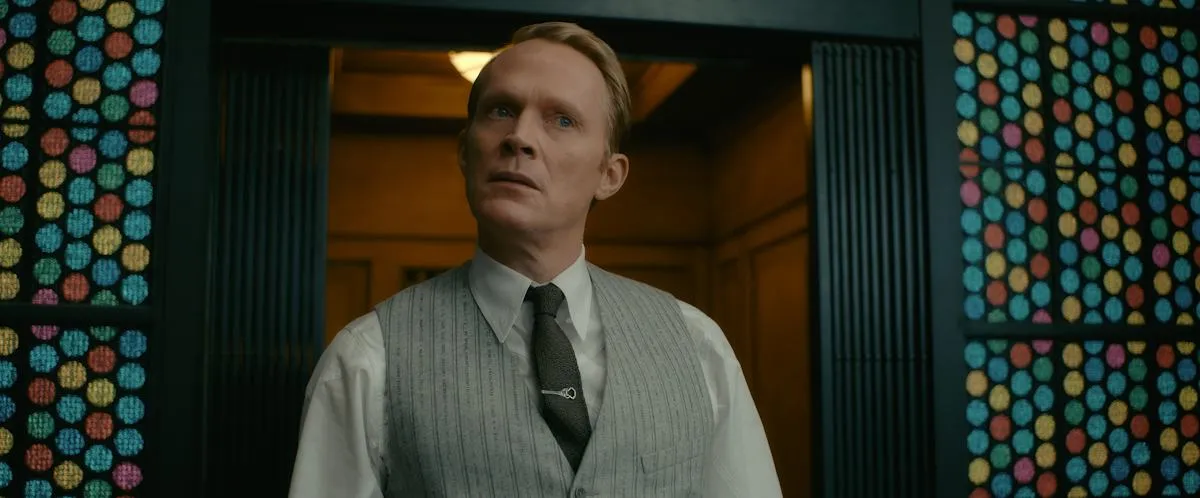
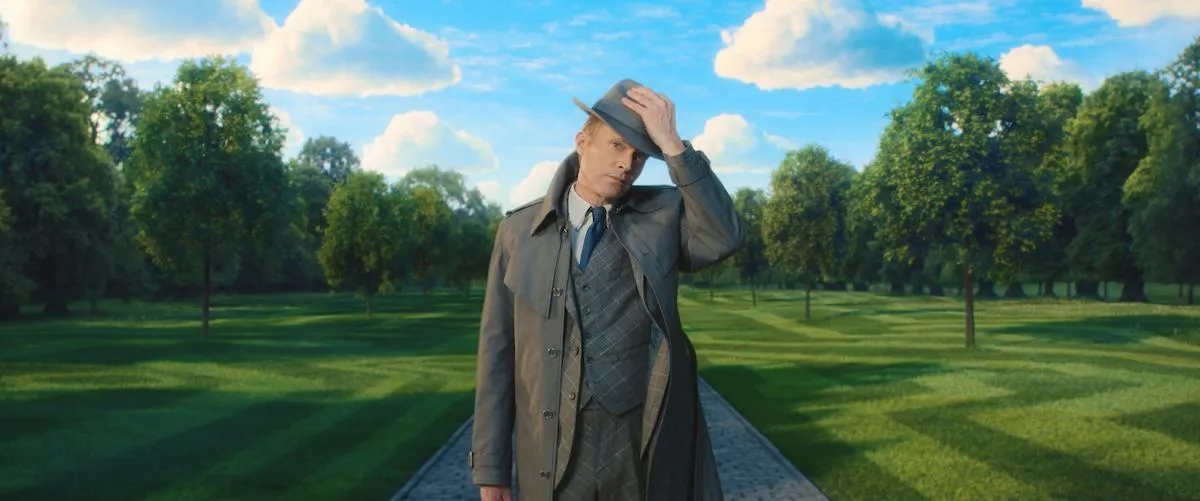
VisionQuest flips the entire premise on its head. Showrunner Terry Matalas told ScreenRant plainly during a set visit that no generative AI was used anywhere in the series production. Not one frame. Not one particle system. Zero. The visual design still nods to how current AI processes information, but every image on screen is handcrafted by human designers. James Spader returns as Ultron. The series explores Vision’s bond with his fellow androids across the Marvel universe. It hits Disney+ on October 14. Matalas’s justification is blunt and remarkably honest: “There hasn’t really been a need.” The show needed AI aesthetics. It never needed AI production. Those are two completely different things, and most studios in this industry seem to confuse them. Three years of generative slop flooding social media feeds, sports betting ads, and your aunt’s Facebook shares completely changed the audience calculus. Viewers now recognize fake AI content on sight. It reads as cheap. It reads as automated. It reads like someone skipped the work and tried to get away with it. Marvel learned that lesson the hard way, and VisionQuest is the public penance.
The timeline is the real story here. 2023 to 2026 is barely three years. In that window, generative AI collapsed from prestige experiment to cost-cutting hack that audiences instinctively distrust. Studios treated AI as a creative breakthrough. They did it in press releases. Now they carry that bet on their balance sheets and subscriber retention numbers. The visual effects supply chain didn’t gain a new capability in this period. It gained a distraction. Every VFX pipeline invested in AI-first workflows. Now they have to justify that pivot to clients. Those clients saw the Secret Invasion credits and decided they didn’t want that aesthetic. Human designers still make the work that people actually care about. Marvel knows that now. The harder question is whether studios still running AI-generated intros on season four will learn the same lesson. They’d better learn before their subscribers do.
Author bio: Ethan Gallagher, a Silicon Valley Hardware Architect and Infrastructure Strategist with over fifteen years advising entertainment technology integrations across major production studios.