

(SeaPRwire) –
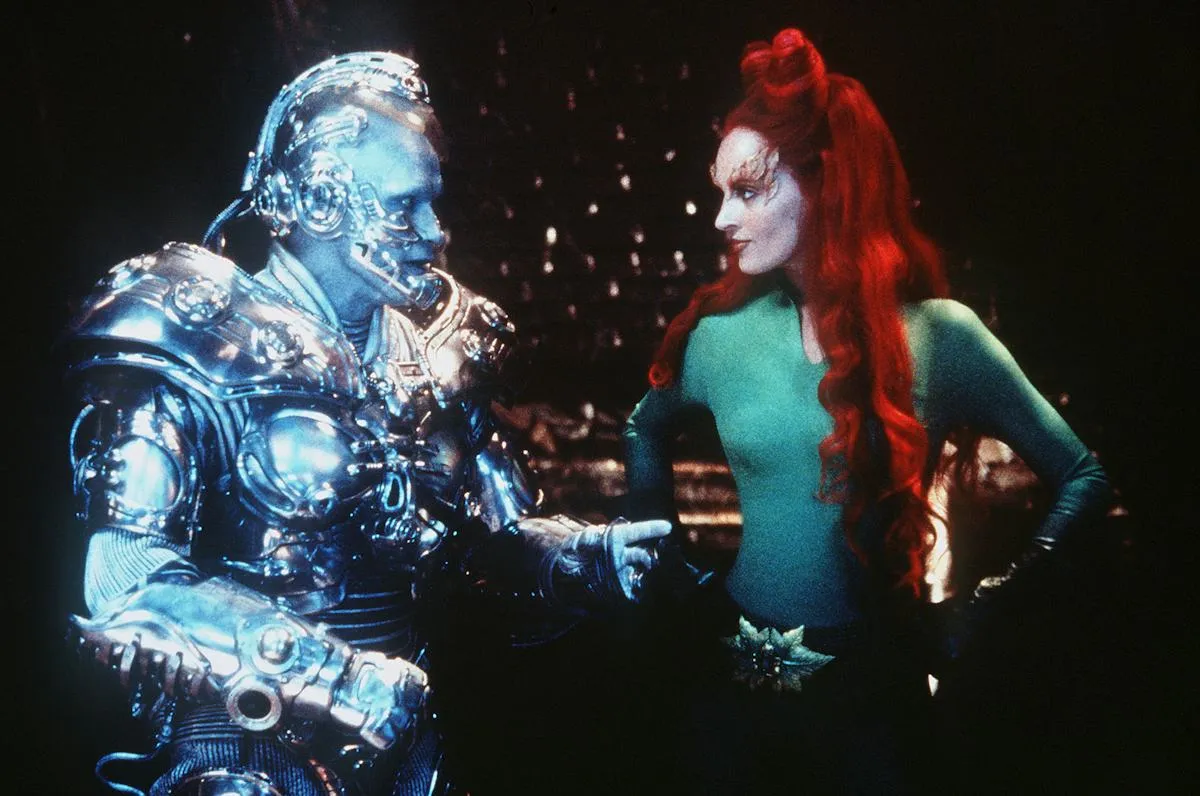
The most interesting thing about DC’s newly reported Poison Ivy series is not the character. It is the anxiety hiding underneath the announcement. According to Deadline, Lauren LeFranc, the showrunner behind The Penguin, is in talks to run a series built around Pamela Isley, a villain who has spent decades playing second fiddle in other people’s stories. She was Uma Thurman’s campy foil in Batman & Robin. She was Mr. Freeze-adjacent window dressing. At her best, she was a co-lead in Harley Quinn, sharing oxygen with a louder personality. Now DC wants her to carry an entire show. That is a historic first, as the headline says. But it is also a confession. The franchise has run out of sure things, so it is mining the bench.
Strip the news down and the facts are thin but telling. The project is in very early stages. No cast. No writers confirmed. Nobody even knows yet whether it will be animated or live-action. The one firm detail is strategic, not creative: the series will be unconnected to Matt Reeves’ Batman universe. That decision deserves scrutiny. Much of The Penguin’s appeal came from revisiting the world of The Batman ahead of The Batman Part II. Audiences showed up partly because the show functioned as connective tissue for a film they already cared about. A standalone Poison Ivy series gets no such lift. It must earn attention cold, on the strength of a character the audience has never been asked to take seriously as a protagonist. Meanwhile, the announcement creates an awkward question DC would probably rather avoid. If LeFranc is running this, where does that leave a second season of The Penguin? The same person cannot be in two writers’ rooms at full capacity.
The commercial logic underneath all of this is familiar. James Gunn’s DC Universe has pivoted hard toward television, mixing pet projects like Peacemaker and Creature Commandos with prestige plays like Lanterns and The Penguin. The model is clear: keep subscribers on the couch with a steady stream of Gotham-flavored drama rather than betting everything on two theatrical tentpoles a year. But that model only works if the bench characters can actually hold a series. Poison Ivy is a genuine test case. She has a rich premise, a botanist granted plant-based powers, poison immunity, and the ability to weaponize biological compounds, which suits the current appetite for morally complicated antiheroes. What she lacks is a built-in audience relationship. If this works, DC unlocks an entire tier of rogues-gallery leads. If it fails, it proves the ceiling of the spinoff strategy, and every future Batman-adjacent pitch gets harder to sell. My read is simple: the show lives or dies on whether LeFranc treats Ivy as a tragic lead rather than a Batman accessory, and the sooner DC commits to a tone, the better its odds.