
By: Silas Sterling
(SeaPRwire) – Paramount+ just dropped an animated adaptation of Golden Axe, mining a relic from 1989 arcade cabinets that most casual viewers left behind decades ago. Corporate marketing departments love throwing around terms like legacy IP to sanitize dead software, but this specific resurrection bypasses the usual cynical cash-grab playbook by hiring people who actually suffered through the original game’s difficulty spikes as kids.
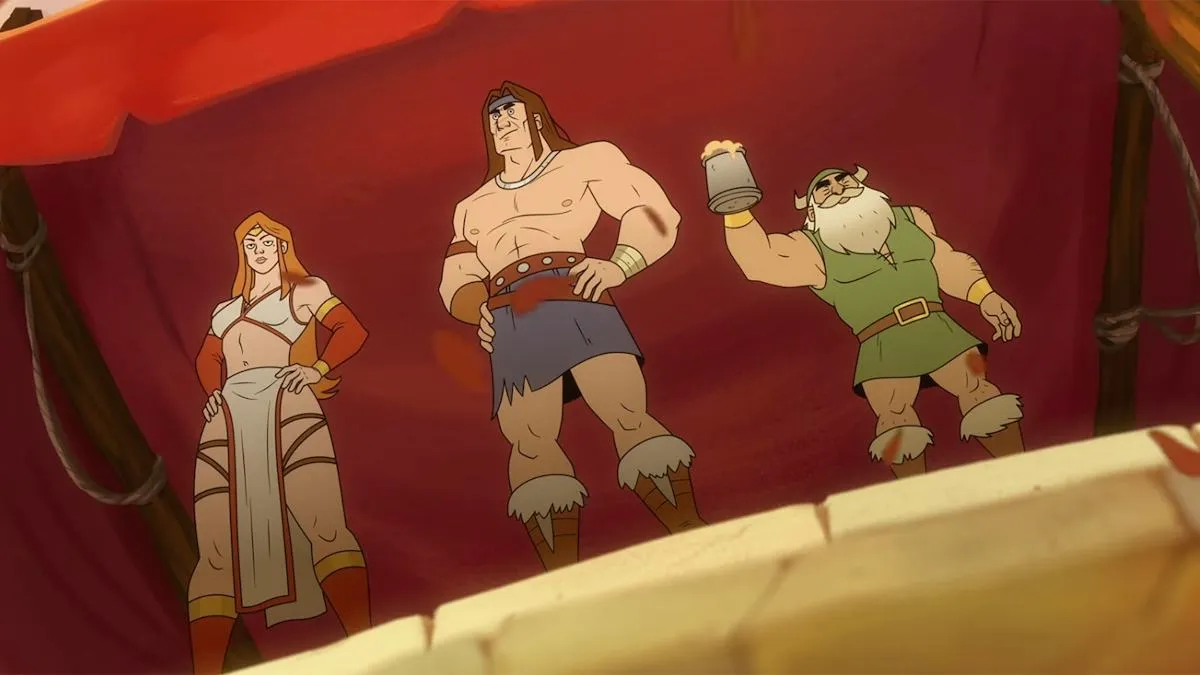
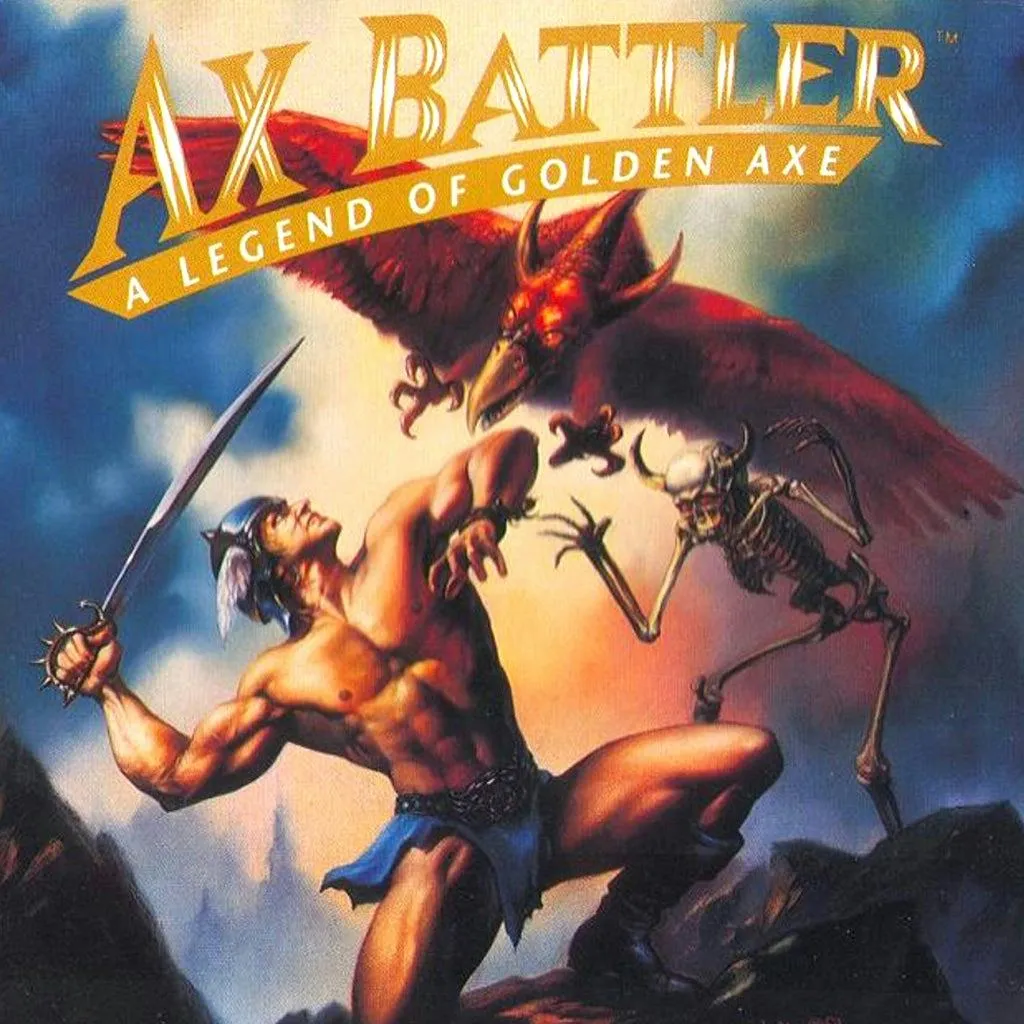
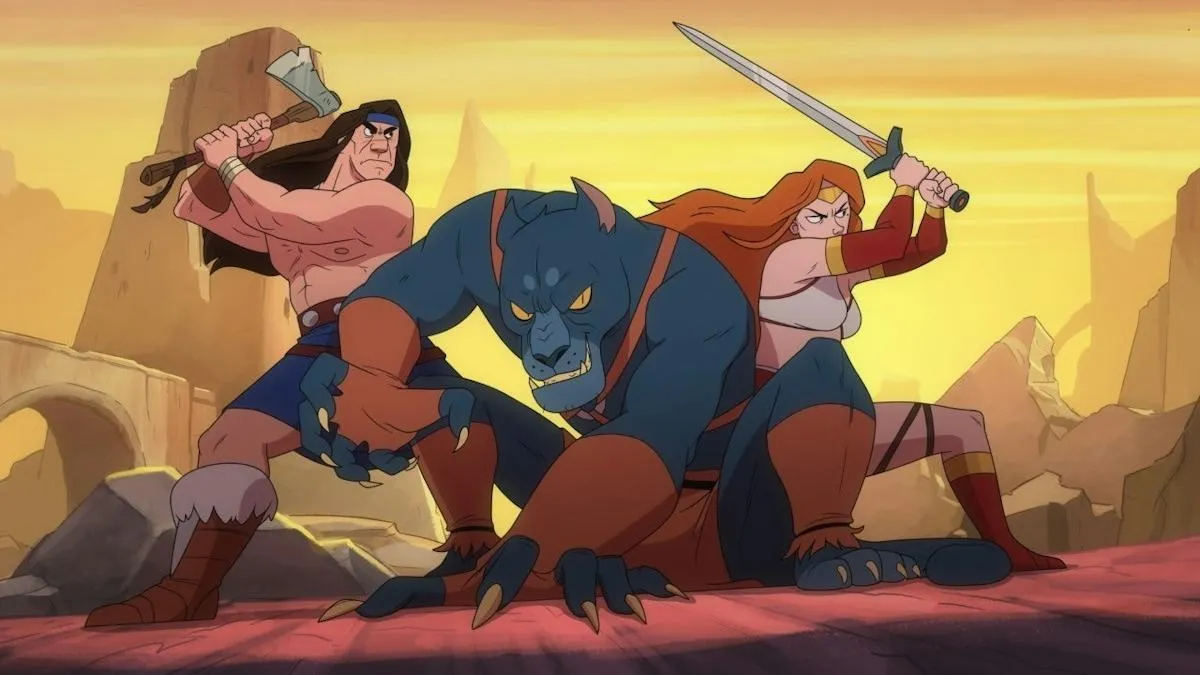
Mike McMahan and Joe Chandler took the helm of the series after McMahan worked on the Sonic the Hedgehog movies with Sega and expressed a desire to tackle something mythological. The source material features a medieval land called Yuria terrorized by a giant named Death Adder, alongside an adventuring party composed of Gillius Thunderhead, Ax Battler, and Tyris Flare. That simplistic beat-em-up blueprint from Sega has been supercharged with the kind of adult comedy both creators cut their teeth on in projects like Star Trek: Lower Decks and American Dad.
The production relies heavily on leaning into the inherent absurdity present in the original arcade cabinets rather than sanding off the edges. Imps stealing magic and weird purple riding beasts were already part of the 1989 code, so the adaptation simply amplifies those weird design choices. To anchor the ridiculousness, they assembled a vocal cast featuring Matthew Rhys as Gillius, Lisa Gilroy as Tyris, Liam McIntyre as Ax Battler, Carl Tart as Chronos Lait, and Danny Pudi as Hampton Squib.
Hardcore gaming culture online is notoriously hostile toward adaptations that stray too far from source code, breeding an environment of preemptive skepticism. Yet the actors themselves leaned into genuine fan enthusiasm, with McIntyre adopting a method-actor approach to honor the voice performances of his youth, and Rhys expressing genuine surprise at the project opting for a risqué, humorous angle rather than a dry, self-serious rendition.
Most modern attempts to digitize old-school gaming properties either suffer from corporate shame or over-engineered self-seriousness that alienates the core audience entirely. Golden Axe succeeds precisely because it treats its own absurd mythology with affectionate mockery, proving that nostalgia pays off when the writers room actually played the cartridges instead of reading a Wikipedia summary.
Author bio: Silas Sterling, a veteran kernel contributor and editor-in-chief of an open-source security digest, specializing in the intersection of retro gaming culture and modern software distribution models.