
(SeaPRwire) – By: Lucas Caldwell
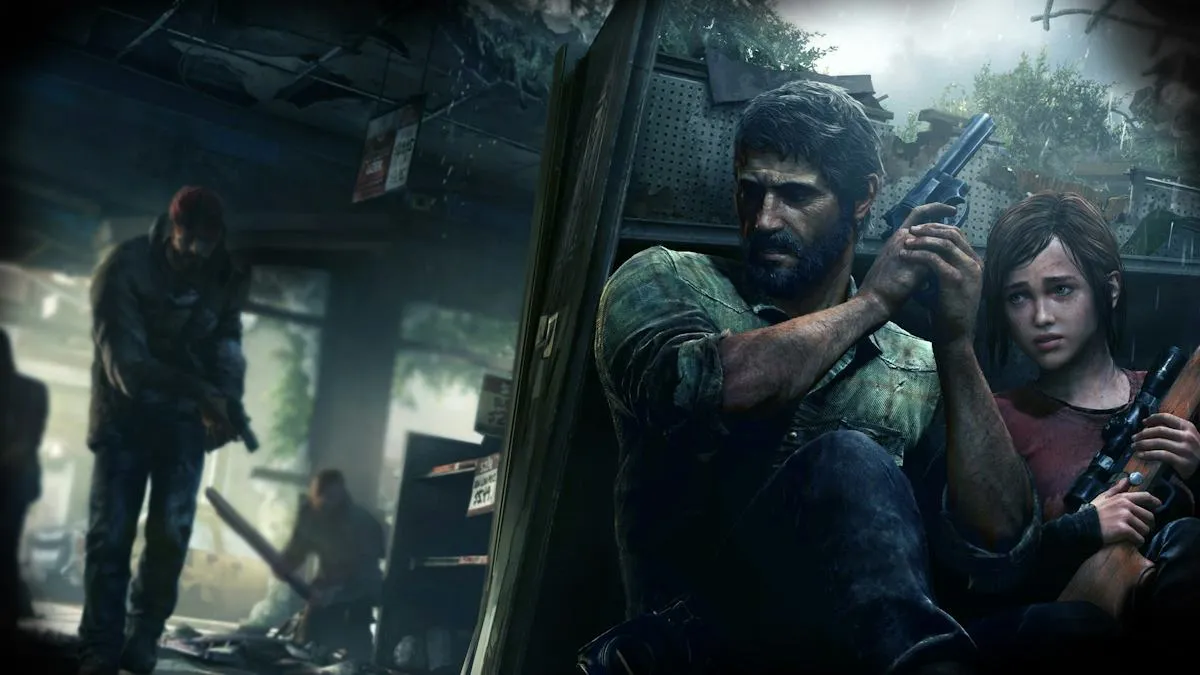
Naughty Dog is doing the thing again. The thing where a single blog post, dropped quietly two days after a fan holiday, sends the entire games industry into speculation mode. On September 28, Neil Druckmann confirmed two new projects set in The Last of Us universe. Not one. Two. And here’s the part that should make you pay attention: he deliberately refused to say they’re games. That ambiguity is not an accident. Studios at this level do not leave format undefined by mistake. They leave it undefined because the strategy is still being negotiated, and the announcement itself is a market signal aimed at fans, talent, and HBO executives all at once.
Let’s strip this down to raw facts. The post went live on the official Naughty Dog blog on September 28, two days after “Last of Us Day,” the fan celebration marking the in-universe date the Cordyceps outbreak hit critical mass. The post doubled as an update on Intergalactic: The Heretic Prophet, the studio’s next sci-fi adventure. Buried in that update was the confirmation: two new projects in The Last of Us canon. Druckmann’s exact framing was that both projects “will expand the canon of The Last of Us beyond Part 1 and Part 2.” Both are in very early development. No titles. No platforms. No formats.
Now the second half of the facts, which matter just as much. There is no confirmation these are video games at all. The franchise already jumped to television with the HBO adaptation, so a TV spin-off is plausible. Druckmann is no longer steering the creative direction of the flagship show, but that does not exclude him from a separate spin-off project. An original film set in the game world is also on the table. So is a comic book, a lane the series has used before. The honest read of the announcement is this: Naughty Dog committed to the existence of two projects while committing to nothing about what they actually are.
Here’s the game theory. The Last of Us is no longer a game franchise. It is a cross-medium IP asset, and Sony treats it that way. The 2013 original was a watershed moment for interactive storytelling, and the sequel plus the HBO series proved the world survives contact with new audiences. Once an IP reaches that status, the pressure shifts from “make a sequel” to “fill the content pipeline.” Two parallel projects in early development is classic portfolio management. One likely anchors gaming, one likely serves screen or print. Hedged bets, staggered timelines, maximum franchise surface area.
The macro play is bigger than Naughty Dog. PlayStation has been steadily converting its first-party catalog into film and television properties, and The Last of Us is the proof of concept that worked. The franchise showed that prestige TV can amplify a game brand instead of diluting it. That success created a template. Now every dormant Sony franchise gets evaluated through the same lens. The downside risk is real, though. Stretch a beloved canon across too many formats and you invite franchise fatigue, the exact disease that hollowed out other post-apocalyptic properties. Naughty Dog’s reputation rests on scarcity and polish, and this announcement quietly trades some of that scarcity away.
My prediction: at least one of these two projects is not a game, and the reveal will land attached to a streaming deal rather than a PlayStation showcase.
Author bio: Lucas Caldwell, a tech opinion leader with millions of followers on X/Twitter, covering the intersection of game development, platform strategy, and entertainment IP economics.