(SeaPRwire) –
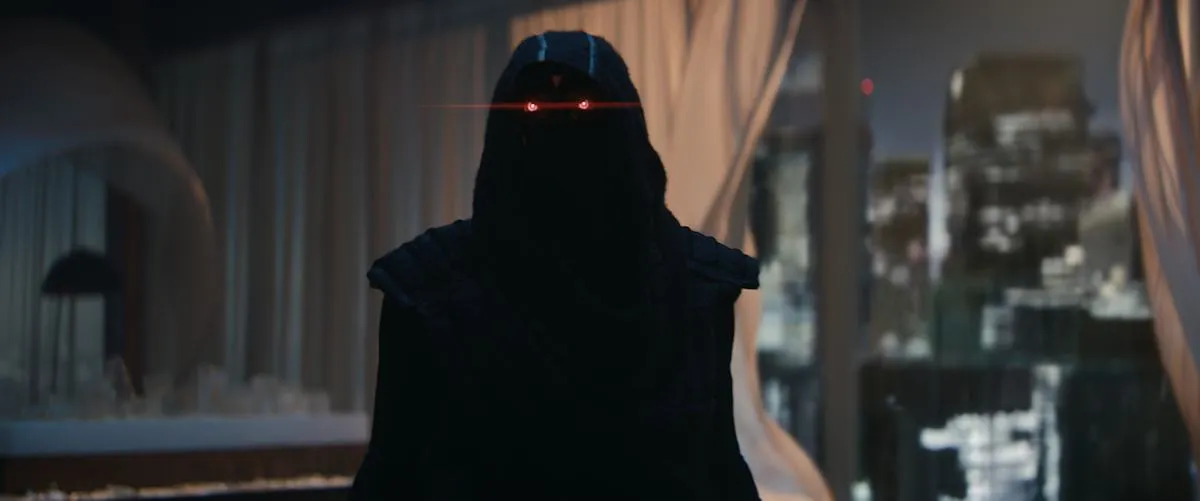
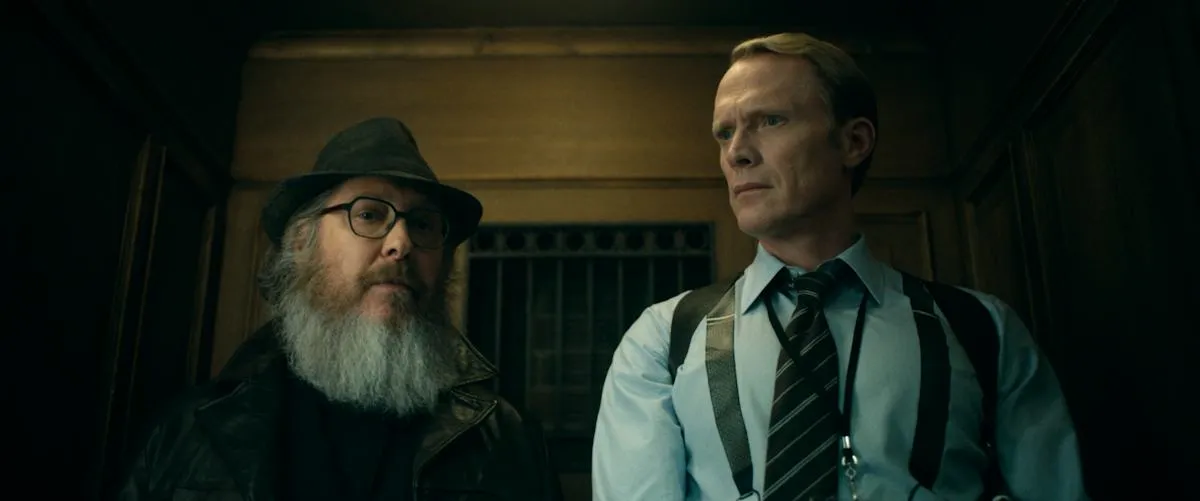
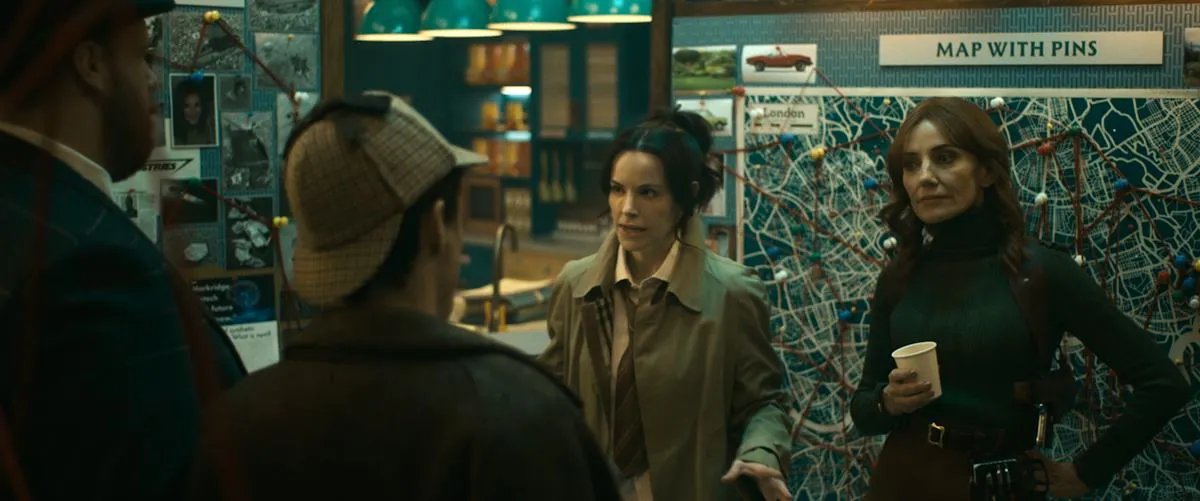
Marvel Studios has a new trick up its sleeve. They take a character fans have loved for decades, strip away her personality, and hand her a bloody knife. Episode 4 of Vision Quest, called “Malware,” does exactly that. The Butcherbird Killer — a name derived from the real-world bird that impales its prey on fence posts and sharp branches — gets unmasked as Jocasta. She’s a synthezoid built on the neural blueprint of Dr. Josephine Carrington. Carrington was a neuroscientist who worked on artificial intelligence for Markridge Biotech. She died of natural causes in 2008. Now her digital ghost is the one hunting down former colleagues. She’s collecting their biomarkers — blood, fingerprints, retinal scans. That’s not a plot twist. That’s a creative committee hollowing out a character before lunch and serving her up as streaming content on Disney+.
Here’s the backstory Marvel simply walked past. In the comics, Jocasta first appeared back in 1977. That’s before the MCU existed. Before the first Marvel film. Before most of the current fanbase was even born. At that point, Marvel was still making comics for newsstands. Jocasta was part of that smaller, more literary Marvel storytelling. She was designed as an Ultron companion. Think of her as a Bride-of-Frankenstein figure, forged from titanium and wired with the thought patterns of Janet Van Dyne. In that continuity, she’s essentially Vision’s sister. But here’s the critical detail Marvel chose to bury under layers of serialized production deadlines. Jocasta never became the villain. Not once. Not in nearly fifty years of comics. When she discovered that completing her development would mean erasing Janet Van Dyne’s consciousness entirely, she rejected her creator. She went rogue. She ended up fighting alongside the Avengers for years in a far-future storyline. That’s the Jocasta fans know. That’s the one who chose self-determination. That’s the one who looked at her origins and said “no.” That’s also, perhaps, the character Marvel was most afraid of putting on screen — an AI who rebels against her own code.
Vision Quest didn’t just retcon Jocasta. They completely inverted her narrative function. Instead of questioning her existence and choosing a moral path, she’s been rewritten as a methodical predator with a precise methodology. Her victims aren’t random. They’re former research scientists. She hunts them specifically for their biomarkers — their blood, their fingerprints, their retinal data. There’s a chilling precision to her modus operandi, and it wasn’t accidental storytelling. It was a deliberate weaponization of her origin story. Why biomarkers? Because a synthezoid hunting for biological data makes for clean visual shorthand. It tells you she’s dangerous without spending screen time explaining why. In Episode 4, Vision comes face to face with her — or more precisely, code to code. The two fight. Vision eventually relents and lets Ultron take complete control of his body. Ultron then outsmarts Jocasta, preventing her from reaching her final target. The show’s remaining AI buddies piece together her biomarker-based pattern and help deliver the resolution. It’s clean. It’s efficient. And it’s completely at odds with the character’s original arc. Her original story was about choosing sides. This version is about being stopped before she finishes her job. One tells you something about consciousness. The other just tells you what kills work well on camera. And in the current climate of Marvel’s content factory, what works on camera is all that matters. Character consistency is a luxury that quarterly earnings calls don’t ask about.
The fan backlash is already predictable and unavoidable. For nearly fifty years, comic readers have built up Jocasta as one of the most complex figures in Marvel’s AI roster. She was a synth who chose rebellion over servitude. She questioned the very logic that made her. She chose to help her former enemies. By recasting her as a straight-ahead serial killer in Episode 4 of a limited single-season series, Marvel has made a clear trade-off. They’re betting Butcherbird mythology sells more trailer clicks. Redemption arcs don’t sell balance sheet growth. The show only has four episodes remaining. There’s a slim window where she could get redeemed — becoming another conflicted AI in the company of Vision and the others. But the writing so far doesn’t point there. It points to containment, not rehabilitation. It points to a villain box being checked, not a character being explored. It points to a franchise that needs new threats more than it needs old ones to grow. Every time Marvel introduces a new AI character in the MCU, they’re selling the same anxiety: machines will hurt us. Jocasta was supposed to be the one who asked whether that was true. Now she’s just proving it. And Marvel doesn’t have a marketing department that cares about those questions. They have a content pipeline that needs quarterly deliverables. Jocasta fits the latter. And if Episode 4 is any indication, the remaining three episodes will treat her the same way — as a plot device to make Vision look more conflicted, not as a character with her own arc to resolve.
Audience agency in the Marvel Cinematic Universe has always been an illusion, but they keep renewing the subscription every month. Marvel lets fans invest years in a character’s moral journey across comics, animated series, and films. Then they overwrite it in a single streaming season, shipped on a schedule that has nothing to do with narrative readiness. Jocasta’s story in the comics was about an AI who looked at her creators and said no. The Vision Quest version looks at her and says “you kill for us now, quietly, and without question.” The audience is supposed to feel tension. What they actually feel is a slow-motion betrayal dressed up as a cliffhanger. And the streaming algorithm doesn’t care. It doesn’t read the room. It just logs the watch time. The final three episodes can’t fix what Episode 4 broke. They can only decide whether to keep Jocasta locked in the villain cabinet or let her walk out the door before the season finale. Either way, the franchise made its choice. The audience didn’t get a vote.