(SeaPRwire) – By: Logan Pierce
Strip away the fan service and this is a licensing negotiation wearing a Spider-Man mask. The press angle is sweet. Rosario Dawson shot a scene, got cut, and now her footage headlines a theatrical rerelease. Cute story. The harder truth is that Marvel and Sony found a way to sell the same movie twice while patching a continuity problem they created years ago. A deleted cameo is now a marketing asset. That tells you everything about where franchise economics sit in 2026. Content is no longer finished when it ships. It is inventory, held back and reissued when the ledger needs a push.
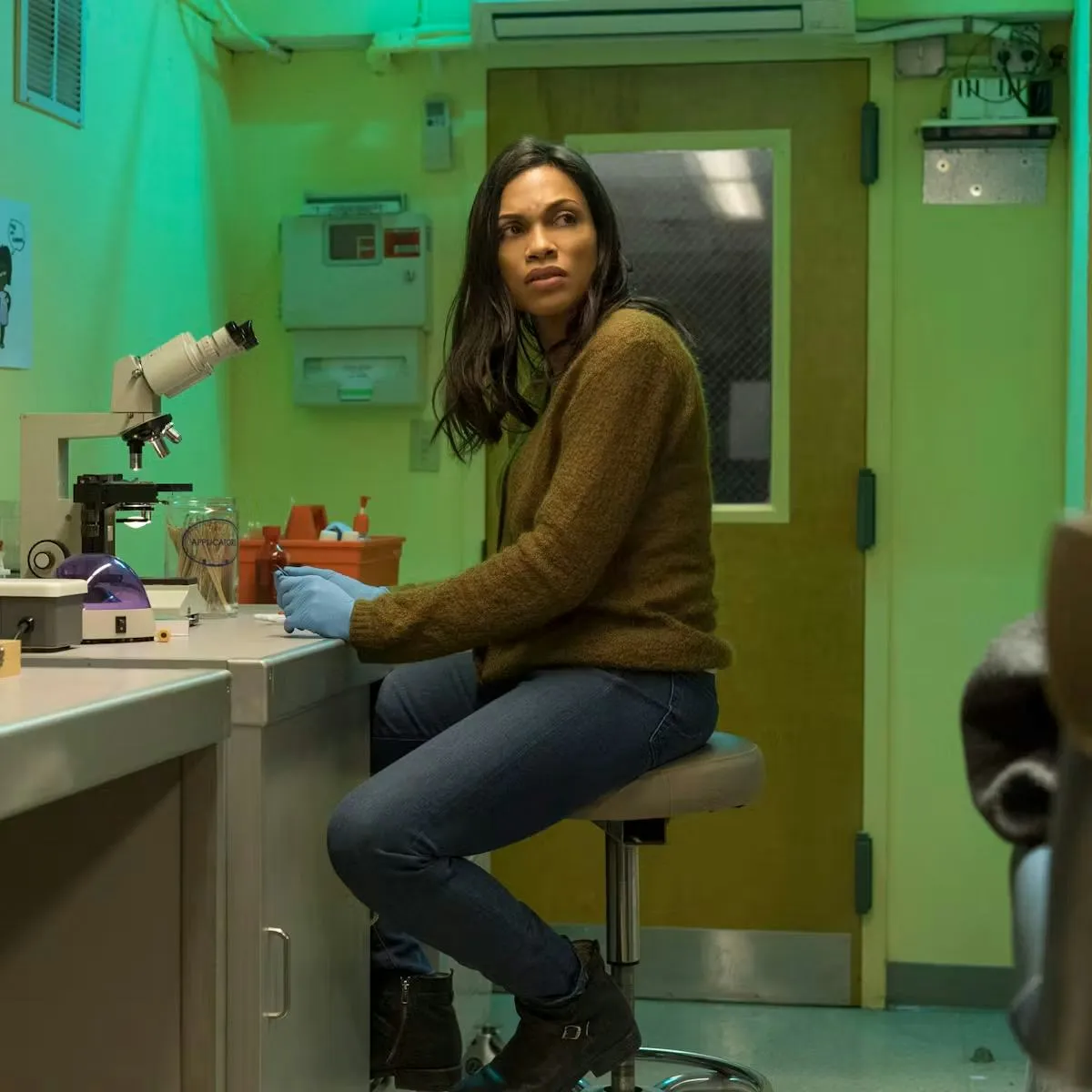
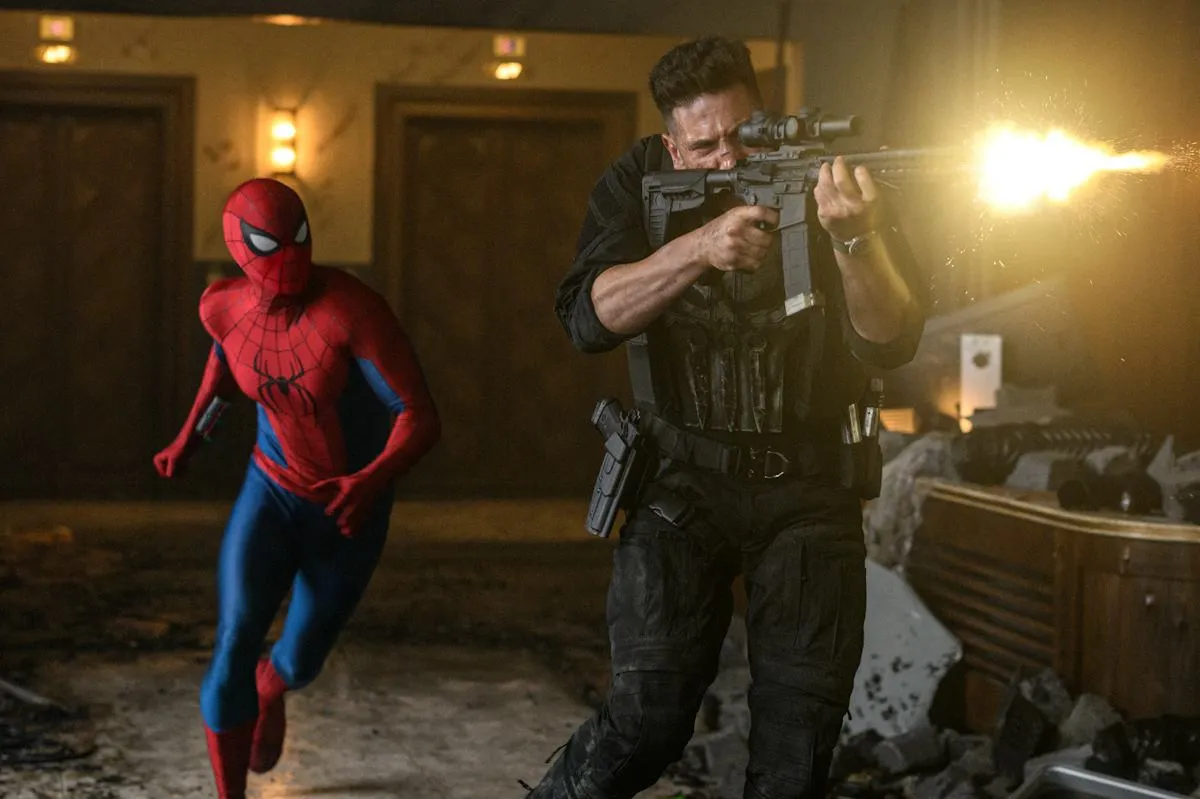
The raw facts are simple. Spider-Man: Brand New Day is the highest-ever grossing film in the US, per the source reporting. Tom Holland’s Peter Parker still gets sidelined in his own movie. The film kept its distance from the street-level corner of Marvel that Netflix built. Daredevil: Born Again and the Disney+ Punisher special never felt locked into the wider MCU. Fans noticed. Marvel noticed. According to Deadline, a new cut of Brand New Day is waiting, packed with unseen footage, including the Dawson scene that would have folded Claire Temple into proper canon.
Dawson broke the news herself at GalaxyCon. She said she shot a scene in the new Spider-Man movie and got cut. Her Night Nurse ran through every Defenders series, from Daredevil to Luke Cage, patching up New York’s vigilantes. She was the connective tissue of that whole Netflix world. Dropping her into a Spider-Man film was the cleanest bridge available. Marvel built that bridge, then left it on the editing floor. Time was the official reason. Anyone who has watched a studio protect runtime over coherence knows that excuse well.
Now the game theory. Sony controls the Spider-Man film rights. Marvel controls the character web around him. Disney controls the streaming shelf where the Defenders actually live. Three balance sheets, one character. A rerelease with bonus footage is not nostalgia. It is a mechanism to extend the theatrical window, juice an already record gross, and test whether canon fixes can be monetized as events. Fifteen years ago this scene would have sat on a DVD extras menu, trivia for diehards. Today it is a reason to buy a second ticket. That shift is the real headline.
Watch what this does to the rest of the slate. Every Marvel project with a cut cameo now carries hidden resale value. Every Disney+ series that felt disconnected becomes a future patch, sellable at a premium. Competitors are paying attention too. If audiences pay twice for a corrected movie, the incentive to get it right the first time weakens. Theatrical cuts become drafts. Rereleases become the final version. The fan gets charged for the upgrade and thanks the studio for listening. It is a tidy loop, and it rewards the exact disjointed planning that caused the complaint.
The next franchise film that underperforms in week three will not get a marketing push. It will get a deleted scene and a fresh poster.
Author bio: Logan Pierce, an independent business researcher and corporate governance writer on Medium, covering franchise economics, studio deal structures, and the commercial machinery behind modern blockbuster IP.