










(SeaPRwire) – The Hunger Games universe is back, and Lionsgate isn’t mincing words about where the money is. Sunrise on the Reaping is a prequel to the prequel, jumping decades past Coriolanus Snow’s origin story into the Second Quarter Quell. And the studio handed the keys to some of Hollywood’s most expensive trust funds.
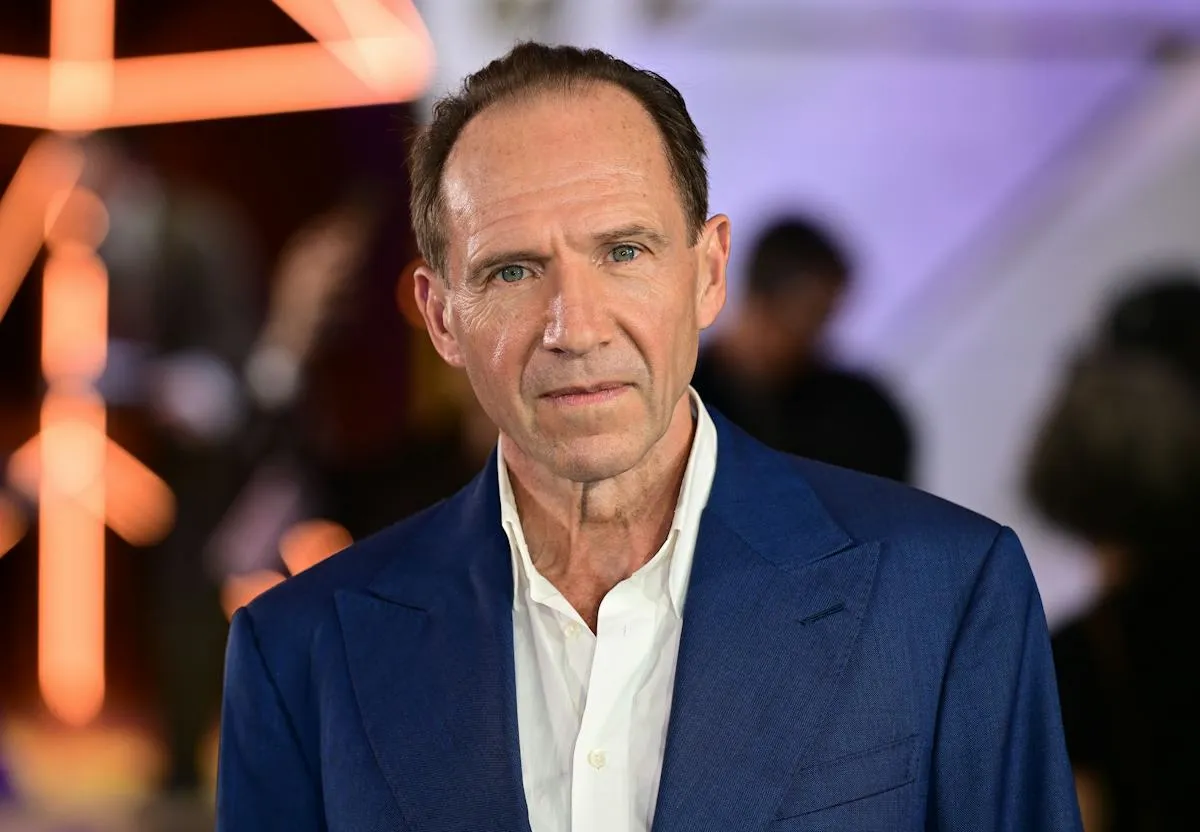
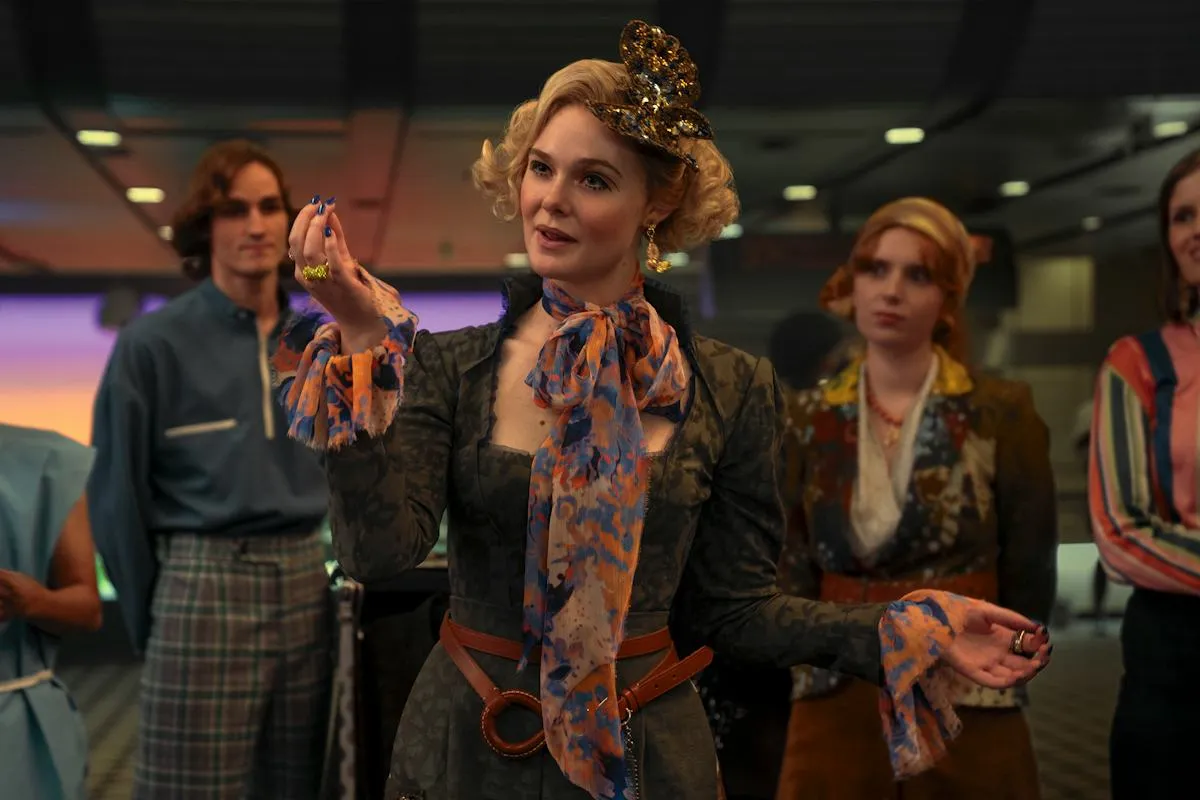
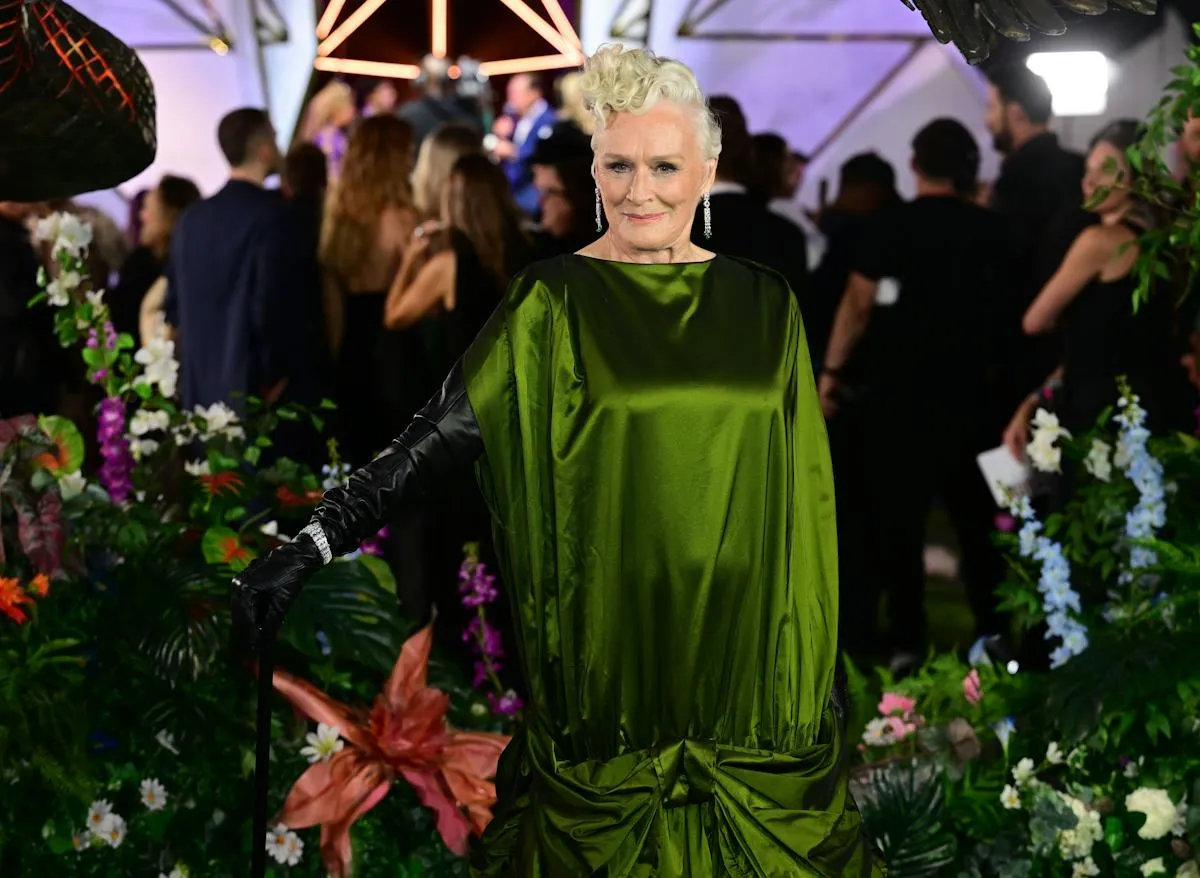
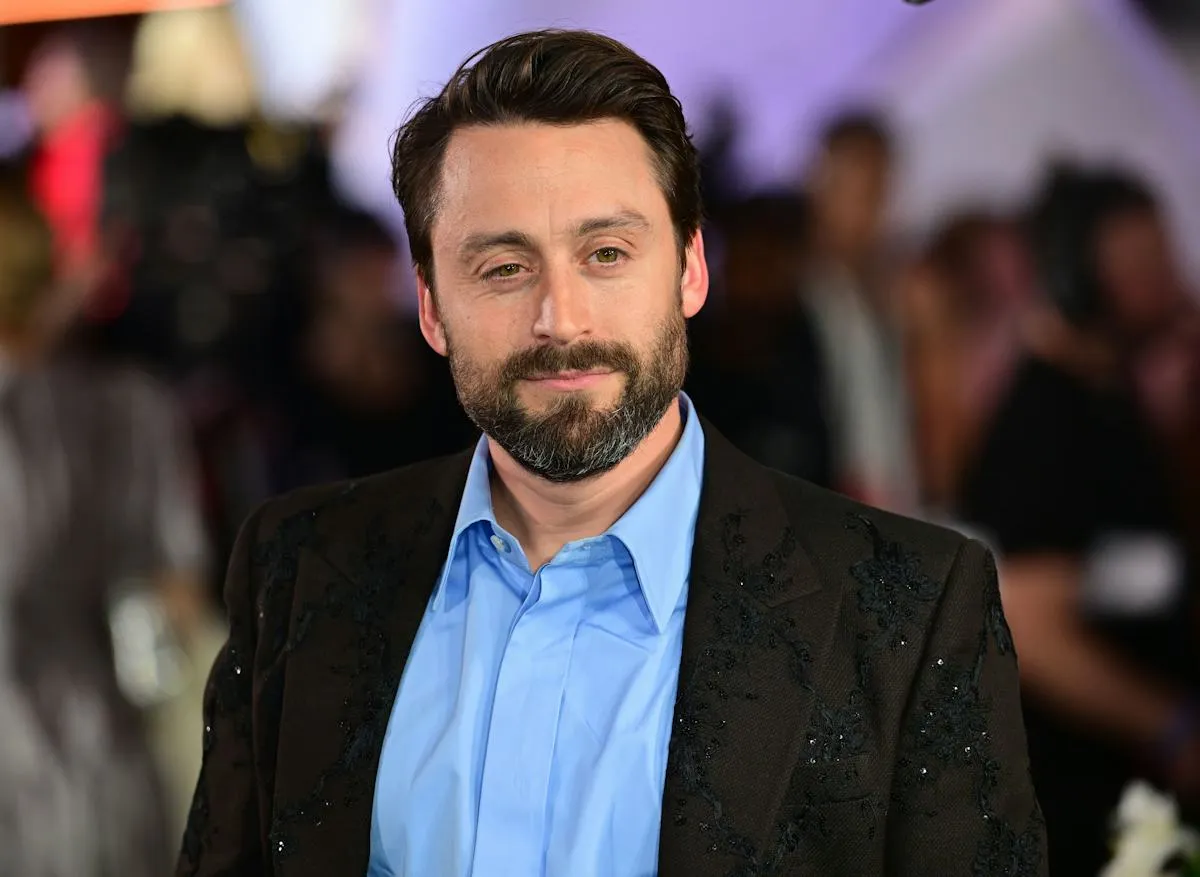
The official cast sheet reads like a legacy IP insurance policy. Joseph Zada steps into the role of young Haymitch Abernathy. Mckenna Grace plays Maysilee Donner, the mysterious source of Katniss’s mockingjay pin. Jesse Plemons appears as a pre-Gamemaker Plutarch. But the real signal is in the supporting roles. Ralph Fiennes commands the screen as Coriolanus Snow, now an older, more menacing dictator. Glenn Close plays Drusilla Sickle, the original mentor figure before Elle Fanning’s Effie Trinket took over. This isn’t a franchise refreshing its roster. This is a fortress being built around the brand with actors who carry their own box office gravity.
The narrative architecture tells the same story. Haymitch’s love story with Lenore Dove Baird, a descendant of Lucy Gray Baird, ties Sunrise directly back to Ballad of Songbirds and Snakes. Beetee Latier appears as a punished mentor whose son Ampert is coerced into the Arena. Wiress, played by Maya Hawke, mentors District 12 because no living victor from that district remains. Mags Flanagan, portrayed by Lili Taylor, represents the aging survivor cohort already worn down by decades of Games. Louella McCoy’s death in a chariot accident and her replacement by a drugged stand-in named Lou Lou isn’t tragic set dressing. It’s a deliberate statement about the Capitol’s machinery. District 12 tributes are replaceable. The system consumes the poor and moves on without a tremor.
Competitors in the franchise space should be paying attention. Marvel is stumbling. Star Wars is fragmented. Harry Potter’s Wizarding World is still riding a wave that began nearly two decades ago. Lionsgate sees an opening and is flooding it with prestige talent. They’re not trying to recreate the magic of the original films. They’re trying to institutionalize it. The franchise is no longer dependent on teenage discovery. It’s being upgraded to adult-headed infrastructure.
The supply chain signal is equally telling. Casting Ralph Fiennes, Glenn Close, and Jesse Plemons alongside younger leads like Whitney Peak and Kelvin Harrison Jr. creates a cost structure that smaller studios cannot replicate. Lionsgate is buying first-mover advantage in the prequel wars. If this film performs, every major studio will pivot their IP library toward multi-generational legacy sequels. The budget for Sunrise on the Reaping likely exceeds the original four-film trilogy combined. That’s not confidence. That’s a takeover bid for the franchise market.
The endgame is clear. Lionsgate is converting The Hunger Games from a YA phenomenon into a permanent cinematic institution. Ralph Fiennes’ Snow is the anchor. Glenn Close’s Drusilla Sickle is the foundation. Joseph Zada’s Haymitch is the future. The strategy works only if the films land. But the bet itself reveals everything about where Hollywood thinks the remaining safe ground is. Old names. Established universes. And a willingness to spend aggressively on nostalgia dressed as new content.