


(SeaPRwire) –
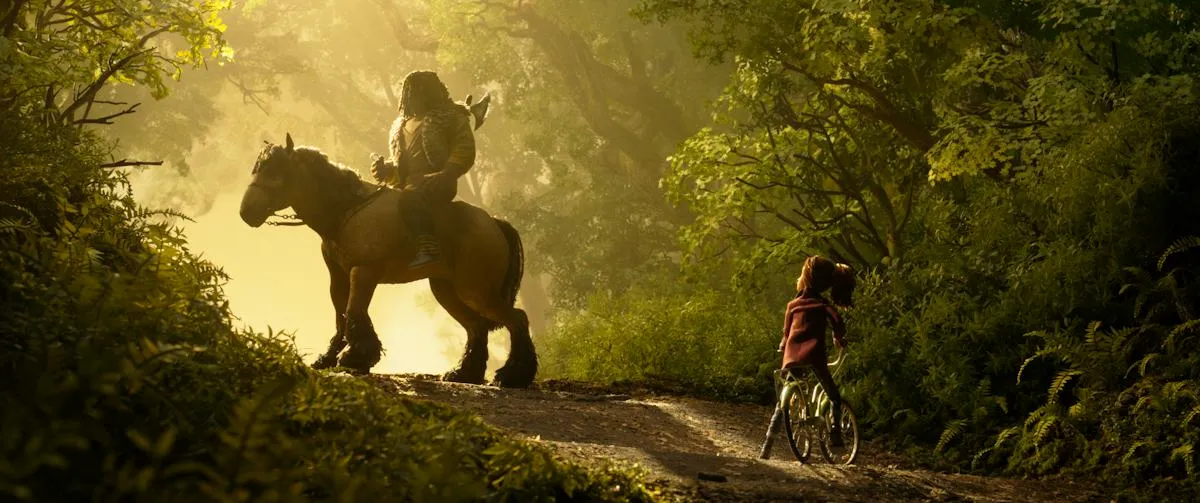
LAIKA just bet everything on a forest. Not a metropolis. Not a sea. A woodland realm hidden behind Portland, where coyote armies clash with ancient bandits and a grieving mother would sacrifice an innocent child to resurrect her dead son. This is the world they built with frames, glue, and thousands of handmade puppets. And it just came into focus with one of the most uncompromising endings in animated feature history. The question isn’t whether they succeeded. It’s whether they can afford to keep trying.
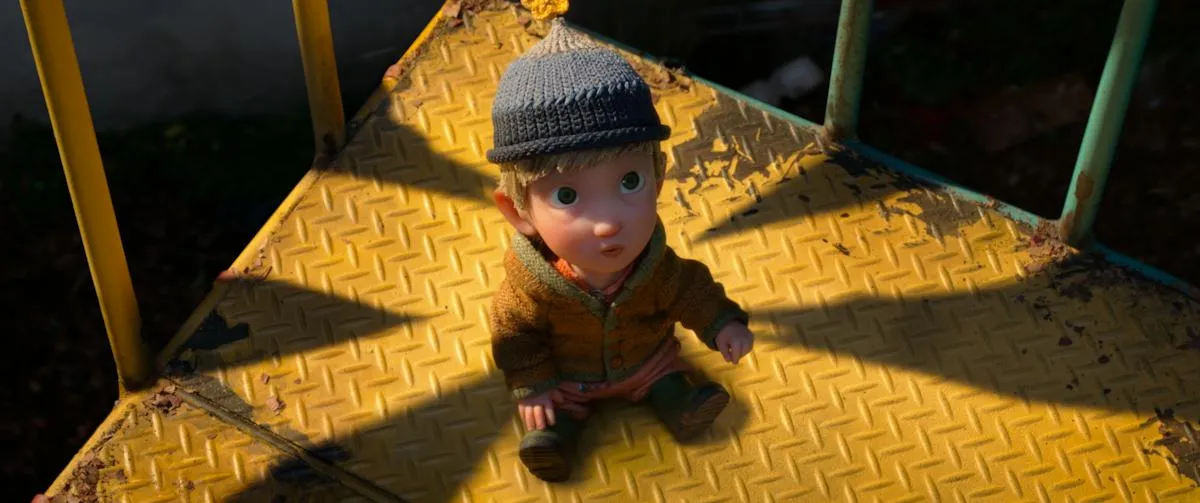
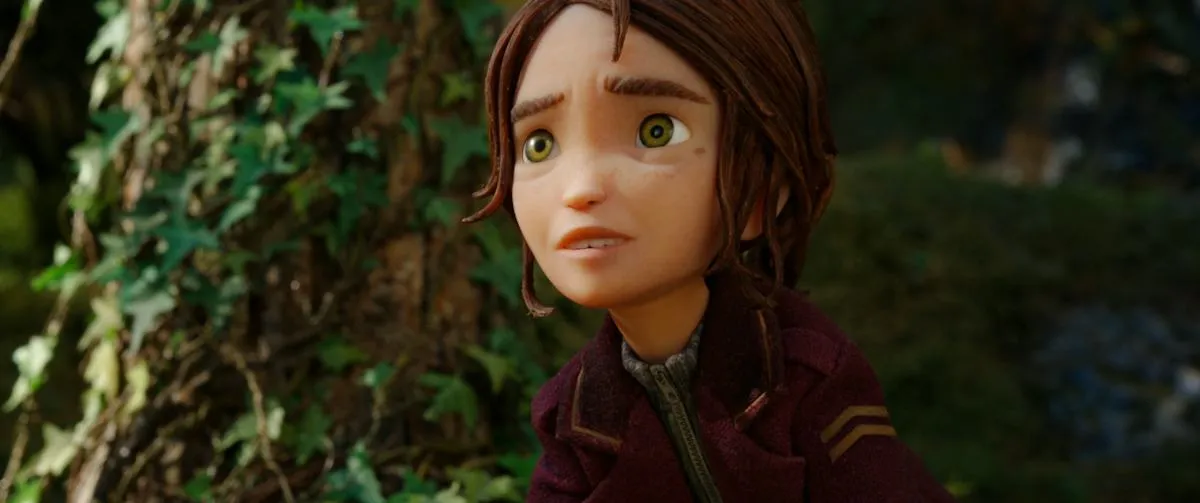
The studio’s latest release, Wildwood, runs on a premise that would make even Lord of the Rings producers sweat. Fourteen-year-old Prue, voiced by Peyton Elizabeth Lee, follows her abducted baby brother Mac into the Impassable Wilderness after a murder of crows drags him away. What she discovers is a war between the Dowager Governess Alexandra — played by Carey Mulligan — and the nomadic Bandits. Alexandra lost her only son Alexei years ago. She tried raising him from a baby tooth and black magic. It failed. She was exiled from her regency seat. Now she wants Mac. He is, according to her calculation, “a child conceived in magic and born in nature.” His blood can control the Ivy in the Ancient’s Grove and locate Alexei’s remains so she can create him anew. Prue’s own parents, Jake Johnson and Maya Erskine, made a deal with Alexandra decades ago. First child stays with them. Second belongs to the Governess. Mac was the second.
Travis Knight, the director behind this, told Inverse that the quieter scenes — Prue confronting her broken parents about the secret — are where the film lives or dies. That’s the LAIKA formula. Voice-only performances carrying raw vulnerability. Puppets with no muscles or breath of their own, animated frame by frame into convincing emotional states. Jacob Tremblay plays Curtis, a self-described pacifist who watches his ally Septima, voiced by Awkwafina, die protecting him. His arc forces him to choose between his stated beliefs and the person he loves. Knight noted the studio’s animators had to accomplish the same feat of embodied vulnerability on physical puppets that the voice cast delivered in the booth.
The climax is where Wildwood breaks the animation ceiling entirely. Alexandra sacrifices Mac to the Ivy at the Grove. Prue arrives. A battle erupts that looks nothing like anything previously attempted in the medium. Blood is drawn. Alexandra literally beheads a soldier at the fight’s zenith. The Ivy creates a maelstrom threatening to destroy the entire Wood. Prue uses her own blood to wrest control from the Governess. Alexandra is swallowed by vines. The storm calms. LAIKA’s team has essentially delivered a climax that rivals fantasy epics at live-action scale, but constructed from cloth, foam latex, and wire.
The market reality behind this artistry is what demands honest scrutiny. Stop-motion animation is not a scalable business model. Each frame requires physical manipulation, lighting adjustments, and painstaking detail work. A typical animated feature operating on traditional 24-frames-per-second timing demands roughly two to three seconds of screen time per day of real-world production labor per sequence. Add to that the cost of building hundreds of articulated puppets, constructing multi-layered miniature sets, and employing teams of sculptors, costume designers, and riggers whose skills cannot be digitized overnight. LAIKA has been operating this model since Coraline. Their pipeline is expensive. Their output is infrequent. Each film carries the weight of justifying that entire financial architecture on its own merits.
Wildwood appears engineered to push that architecture further than any prior LAIKA project. The battle sequences, the maelstrom, the Ivy, the visceral violence — these represent a visual capability milestone the studio explicitly acknowledged. Peyton Elizabeth Lee described it as “the climax of both the visual capabilities of LAIKA and their artists, and also the climax of the story.” That dual meaning is deliberate. This film is a statement of technical capacity. It is also a stress test for whether audiences will pay premium prices for stop-motion craftsmanship when CGI and AI-assisted animation dominate theatrical release windows.
The commercial question remaining is straightforward. LAIKA operates outside the volume-driven animation economy. They do not produce five films a decade. They produce one film every four to five years. Each film must recapture cultural attention and justify its production timeline from scratch. With Wildwood taking its themes of sacrifice, grief, and desperate love into territory that does not soften its edges for family audiences, the studio is making a calculated bet that premium craft can survive in a market increasingly optimized for speed and franchise consistency. Whether that bet pays depends entirely on box office receipts, home entertainment performance, and whether the industry perceives LAIKA’s output as collectible event cinema or nostalgic specialty content.