
(SeaPRwire) – By: Oliver Hawthorne
The film industry faces a persistent identity crisis regarding legacy intellectual property. Franchise fatigue drives audiences away from predictable sequels and reboots. Studios respond by bloating narratives with unnecessary subplots to extend runtime. This creates a disconnect between viewer expectations and final products. Jurassic Park III sits squarely in the middle of this conflict. It arrived twenty-five years ago amidst immense commercial pressure. Critics dismissed it as a mere cash grab without Spielberg’s magic. The technical execution remains remarkably sharp by modern standards. The core anxiety lies in sustaining a genuine sense of wonder. Audiences demand discovery, not just mechanical repetition of past tropes. Spielberg set an impossibly high bar for visual storytelling in 1993. Successors often struggle to replicate that specific emotional alchemy. The industry frequently prioritizes massive scale over narrative substance. This specific film defied that prevailing trend by stripping back scope. It focused intensely on survival horror rather than theme park spectacle. That strategic decision created a unique tension in the market. It suggests a latent preference for lean storytelling over bloated expansion. The data shows audiences prefer urgency over exposition. This creates a risk for studios relying on bloat. The market rewards efficiency in modern attention economies. Viewers punish padding with negative reviews and box office drops. Legacy IP is finite.
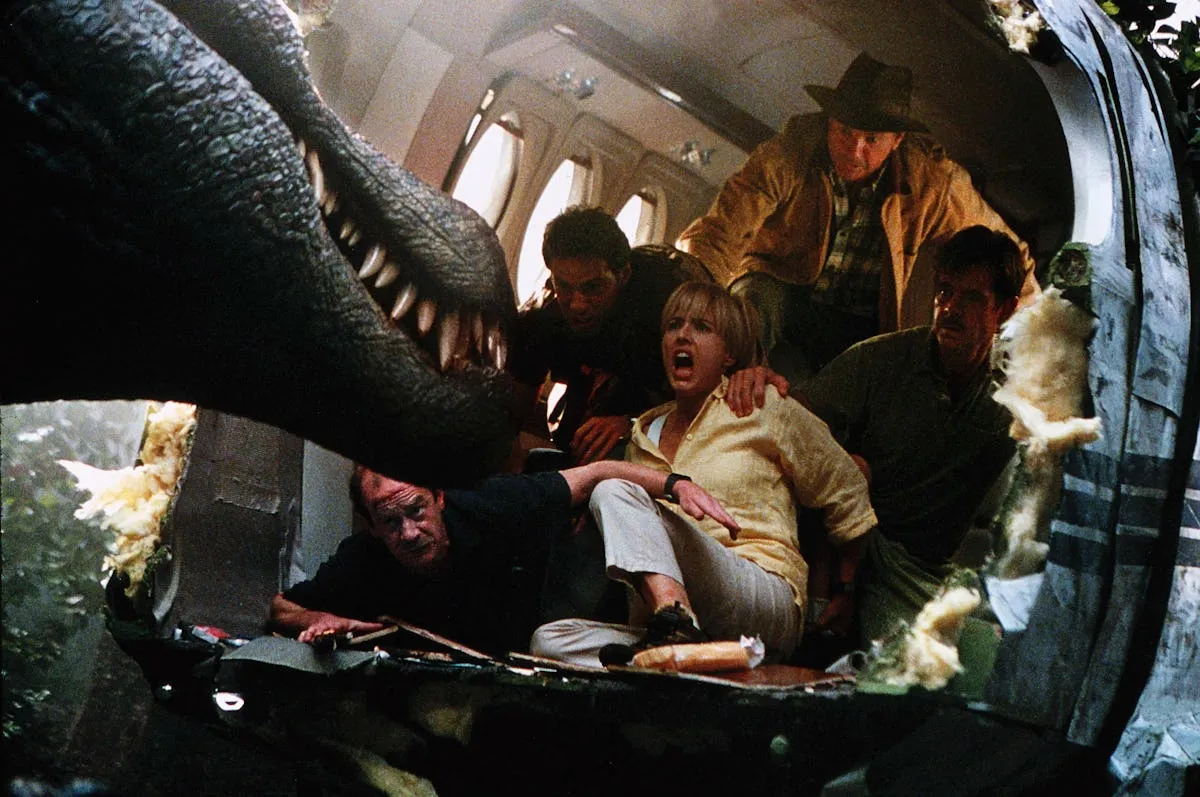
Production details reveal a commitment to practical authenticity despite budget constraints. Director Joe Johnston brought expertise from Industrial Light and Magic. He understood the value of physical effects combined with early CGI. The shoot conditions were notoriously difficult for the entire cast. Actors endured rain, mud, and cold night exteriors without complaint. They performed dangerous stunts, including being dropped into icy water. This physical hardship translated into a mood of genuine anxiety on screen. Sam Neill delivered a performance mode that exploited his range. He played Dr. Alan Grant as principled and crotchety. The runtime stands at just ninety-two minutes. It remains the shortest entry in the entire franchise series. Newer entries drag on for hours with filler content. The pacing keeps the blood pumping from the moment of landing. Setpieces switch up prehistoric foes every ten minutes or so. Raptors, Pteranodons, and the Spinosaurus all feature prominently. The Spinosaurus replaced the T-Rex as the primary antagonist. This shift alienated some fans initially. It provided a fresh tactical dynamic for the heroes. The film relies on smooth, fluid CGI but mixes in animatronics. This blend creates a sense of relentless pursuit by real predators. The script was incomplete and rewritten during production. Cast members found the experience frustrating. The result stands. The technical synthesis was years ahead of typical sequel standards. Practical suits grounded the digital creatures in physical reality. This hybrid approach defined the genre’s gold standard for a decade.
The commercial loop suggests a misunderstanding of audience value propositions. Studios assume more screen time equals higher ticket value. This film proves efficiency drives engagement and longevity. The franchise has not demonstrated this discipline since 2001. Recent sequels drag with subplots and character expositions. The end-game involves recognizing the limits of expansion. Quality control must override the urge to monetize every minute. Lean structures outperform bloated narratives in the long term. The supply chain of ideas is finite. Reusing assets without innovation leads to brand dilution. A short, nasty direct-to-video-like sequel on a blockbuster budget is refreshing. It respects the viewer’s time and attention span. This approach validates the original formula without needing to expand it. The industry should study this efficiency model for future projects. Future success depends on restraint rather than accumulation. The lesson is clear for modern media production pipelines. Optimization beats expansion in saturated markets. Studios must prioritize retention over reach.
Author bio: Oliver Hawthorne, a Principal Correspondent permanently stationed at an international technology review.