

(SeaPRwire) –
DC Studios wants you to see Big Barda as a symbol of female liberation in superhero storytelling. That framing is deliberate, but it misses what’s actually happening here. The press release reads like a character encyclopedia entry – 1971 comic origins, Granny Goodness orphanages, Apokolips war politics – but strip away the mythology and you’re looking at a streaming content bet with a very specific audience target. Mister Miracle premieres on HBO Max in 2028. That’s over a year from the announcement. In that gap, the entire streaming content landscape could shift fundamentally. The DC Universe itself launches with Superman in 2025, with Supergirl following in the same year. This isn’t a solo release. It’s a coordinated expansion play, and Big Barda is one of its pieces.
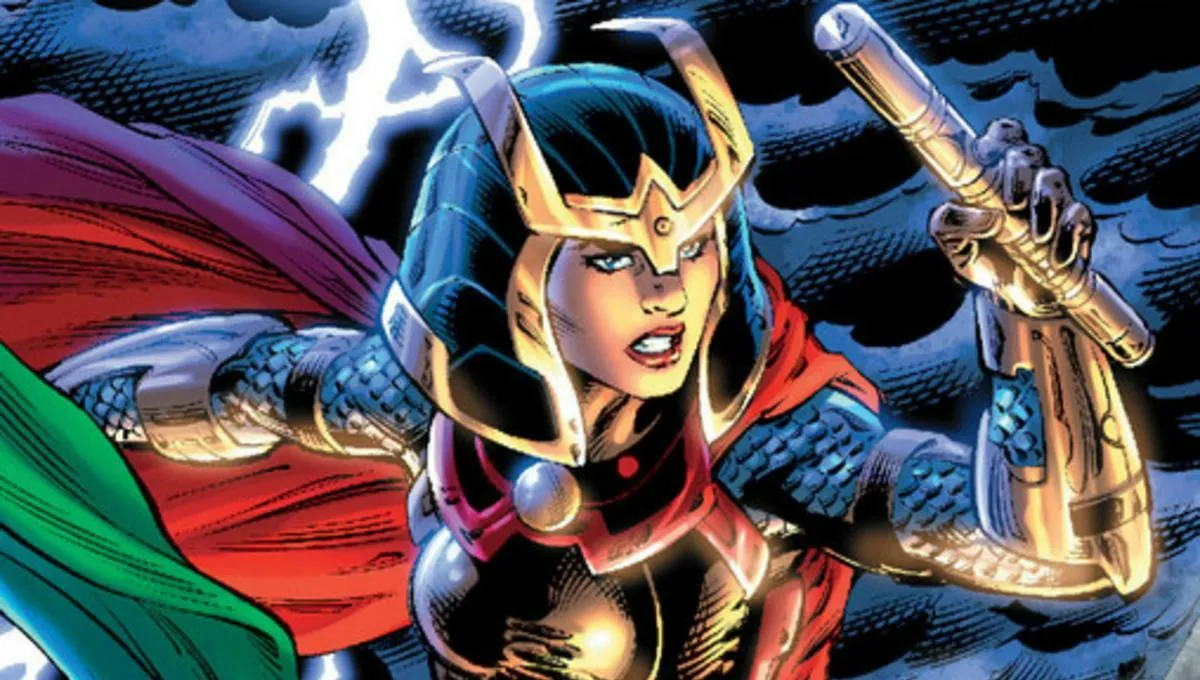
Here are the facts as presented. Big Barda was created in Mister Miracle #4 in 1971. She was raised in Granny Goodness’ orphanage on Apokolips, molded into a weapon for Darkseid. She became head of the Female Furies, a group of women warriors. She met Scott Free – Darkseid’s adopted son – through a deal between the warring realms of Apokolips and New Genesis. Both leaders swapped their infant sons, hoping differing upbringings would ensure peace for the next generation. Darkseid sent Scott to Granny Goodness, which is how Barda and Scott met. They escaped to Earth together. She stands seven feet two inches tall, more than a foot taller than Scott. She wields a Master Rod. She could prove her strength alongside Wonder Woman and Superman. She chooses not to. That’s the core fact the press release wants you to focus on – a superheroine who deliberately opts out of the superhero business. The character’s backstory involves a hostile orphanage, weapons training, and interdimensional politics. But the story she tells is about escape and reinvention.
Read past the character history and you see the commercial logic underneath. The press release explicitly calls Big Barda a character rarely seen in superhero media – someone without interest in the entire superhero endeavor. That’s not a narrative observation. That’s audience positioning. HBO Max needs content that distinguishes itself from Netflix’s animated catalog and Amazon’s Prime Video output. A story about escape and choosing not to fight offers a different entry point. It departs from the standard origin-story-plus-first-villain format that dominates the space. The press release compares her directly to Wonder Woman. It asks what happens when a hero like Wonder Woman doesn’t want to be a superhero. That’s a calculated risk. Wonder Woman already works as a superhero character. Repositioning the narrative around her counterpart suggests DC wants to explore the margins of that formula. The casting tells you something too. Josh Hutcherson brings recognizable name value from Hunger Games and Gravity Falls. Mackenzie Davis brings prestige film credibility from Terminator Genisys and Sorry to Bother You. Neither casting decision was made randomly. They signal the tone the show is targeting. Adult animation gives creative latitude that live-action restrictions don’t allow. The 2028 premiere date gives DC maximum flexibility to recalibrate based on competitive movements in the streaming market. Every element of this announcement serves a strategic purpose beyond storytelling.
The real question isn’t whether Big Barda makes for compelling television. It’s whether DC can use a character who refuses to fight as a vehicle to break free from the fighting. That fighting defines every superhero product on the market. Streaming audiences don’t subscribe to mythology depth. They subscribe to content they can’t get elsewhere. If Mister Miracle delivers something genuinely unlike every other superhero show in their queue, the 1971 continuity doesn’t matter. If it doesn’t, no amount of Apokolips lore saves it. The decision Big Barda makes in the story mirrors the decision DC Studios is making with the show. Both are bets on whether you can compete by not competing the same way everyone else does.