
(SeaPRwire) – By: Ethan Gallagher
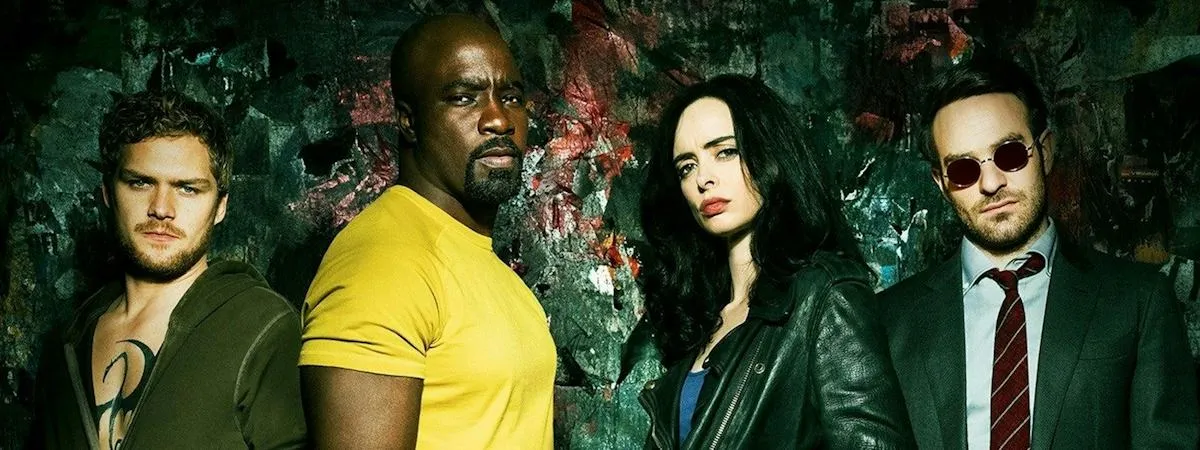
The cancellation of *Daredevil: Born Again* after its third season feels less like a creative decision and more like a corporate retreat from risk. It confirms that Disney’s live-action strategy remains trapped in a loop of nostalgia rather than genuine narrative innovation. When *Born Again* ended, it did not end because the story was complete. It ended because the studio could not justify the production cost of keeping a grounded, dark series alive without clear, immediate box-office spillover. This mirrors the fate of the original Netflix runs. They were canceled not for quality, but for lack of clear commercial integration into the film pipeline. The industry subtext here is stark. Prestige television is a vanity metric for streaming platforms, but Marvel Studios operates on a different ledger. If a show cannot directly de-risk an upcoming theatrical release, its shelf life is strictly limited. The return of other Defenders like Jessica Jones and Luke Cage for Season 3 only complicates this. Why would a studio invest in a reunion arc for characters that cannot currently access the main narrative trunk?
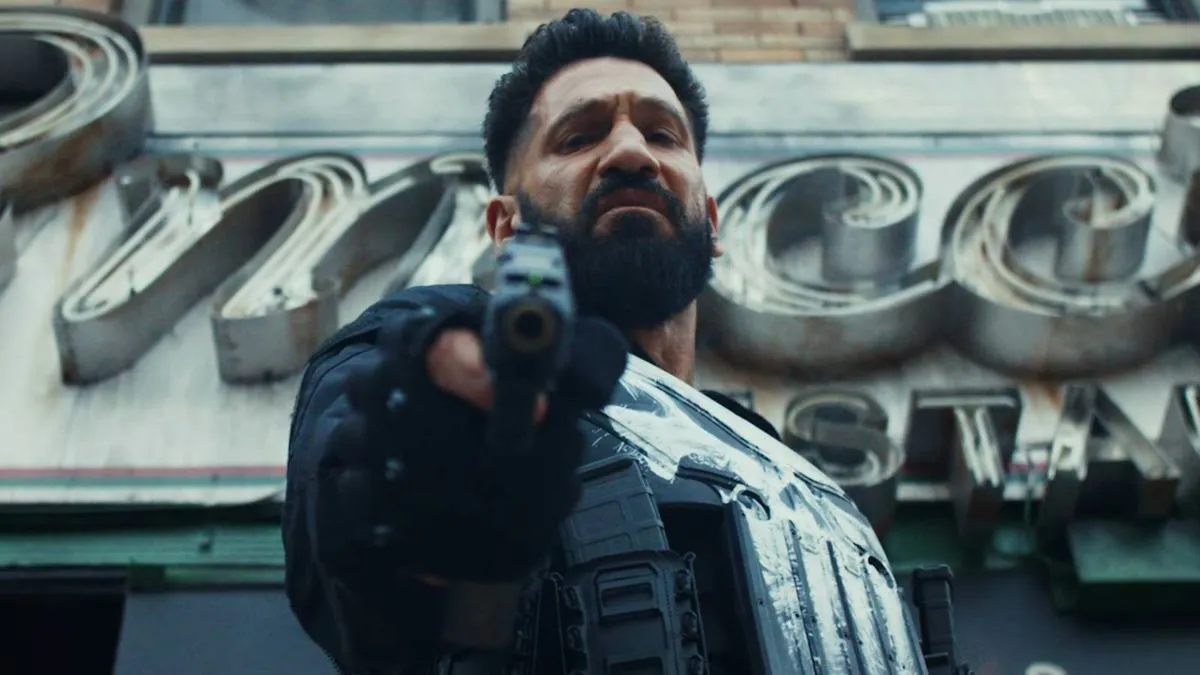
The official narrative suggests a shift in strategy, a natural conclusion for a successful franchise. The raw data tells a different story. *Daredevil: Born Again* ran for two seasons on Disney+. The Kingpin’s rise to Mayor of New York was a plot point that demanded consequences. Yet, when *Spider-Man: Brand New Day* hit theaters, that political tension vanished. There was zero impact from Fisk’s anti-vigilante legislation on Spider-Man’s life. Jon Bernthal’s Punisher appeared in the film, but his character arc remained completely detached from his recent Disney+ special. The disconnect is total. The television narratives never impacted the films. The films never acknowledged the television narratives as significant. This one-sided dynamic has persisted since *Agents of S.H.I.E.L.D.*. The subtext is a broken feedback loop. The TV shows exist in a separate, lesser reality for the studio’s planning departments. They are content items, not universe-building tools.
We must compare the intended design of the 2015 Netflix era with the current 2026 landscape. In 2015, *Daredevil* premiered just months before *Age of Ultron*. It referenced “The Event” and Chitauri invasions. This gave it a credible link to the cinematic universe. The destruction of NYC by The Hand in *The Defenders* should have triggered Avengers-level attention. It did not. The industry subtext from that era was a promise of integration that was never fulfilled. Now, *Born Again* adapts Chip Zdarsky’s 2019-2023 comics run. It deals with street-level crime and political corruption. The studio treated it as a standalone product. They ignored the potential for crossover with *Shadowland* or other major comic events. The subtext is that Marvel Studios has lost the ability to integrate grounded stories into its blockbuster slate. They treat TV as a waiting room for actors, not as a source of plot.
The supply chain of talent here is saturated but undervalued. Charlie Cox’s return in *No Way Home* was a sign of potential. It did not materialize into a sustained character arc. The other three Defenders returning for Season 3 is a misstep if they are not linked to the larger narrative. The practical recommendation is simple. Cut the standalone TV specials. Integrate street-level characters into theatrical films only when the plot requires it. Stop treating *Daredevil* as a franchise and start treating it as a character. The next step is clear. If the Kingpin stays mayor, make him a villain in a *Spider-Man* movie. If not, stop casting the role in a prestige TV container. The era of disconnected prestige television is over. The market demands consequence.
Author bio: Ethan Gallagher, a Silicon Valley Hardware Architect and Infrastructure Strategist who applies systems engineering principles to content strategy and media supply chain analysis.