(SeaPRwire) – By: Silas Sterling
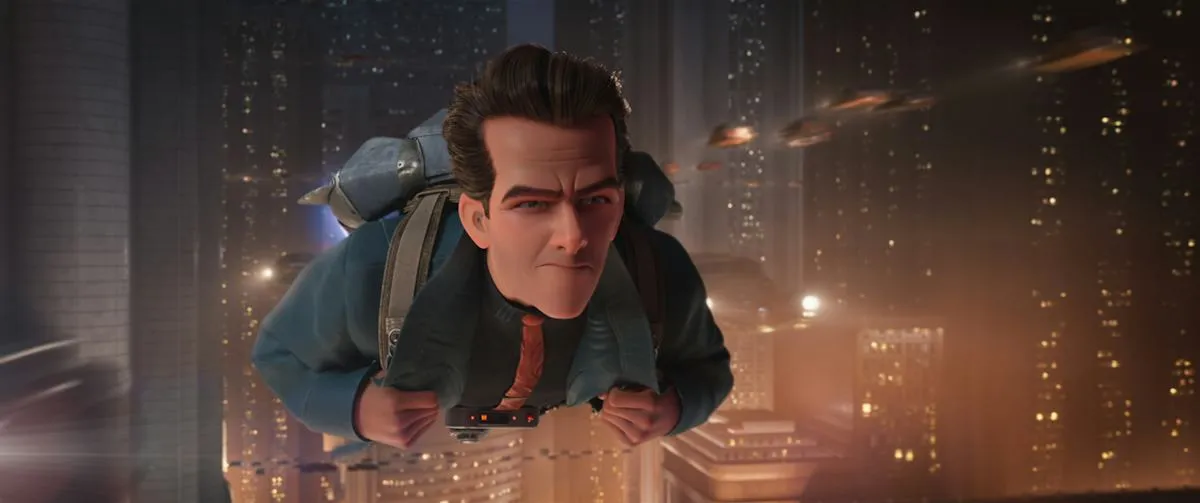
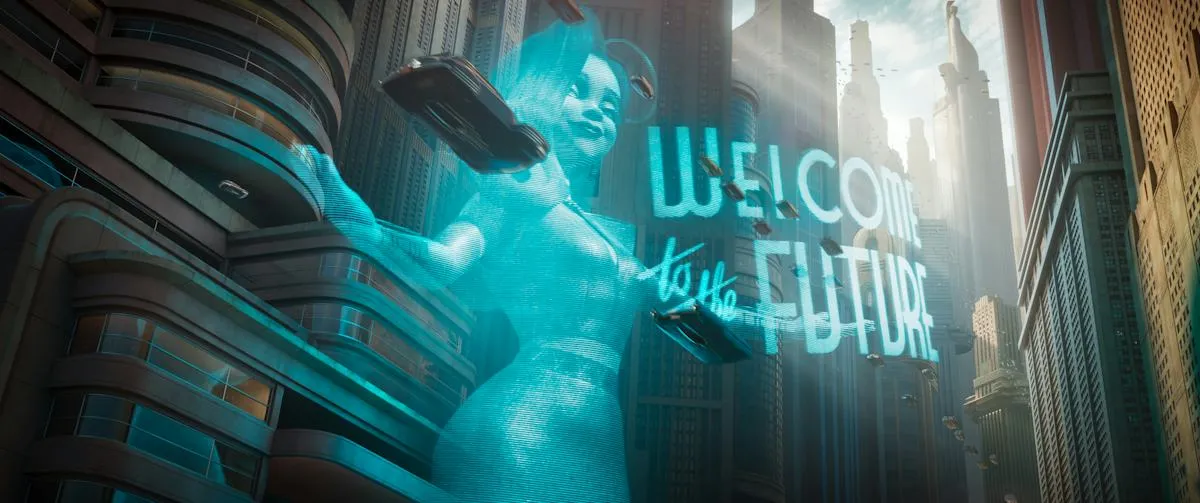
Forget the trailer’s neon gloss for a second. What Netflix just announced with Ray Gunn is not really a movie release. It is a signal flare. Brad Bird, the man behind The Iron Giant, The Incredibles, and Ratatouille, has spent years trying to get a noir-flavored animated project off the ground, and the fact that it finally landed on a streamer rather than at Pixar tells you where the center of gravity in animation now sits. The geek forums noticed immediately. The trailer dropped, and within hours the conversation was not about the plot. It was about tone. This looks like Blade Runner reimagined through a Saturday-morning lens, but with a hardboiled 1940s detective骨架 swapped in for the usual family-friendly warmth. One villain literally sneers at the hero, “You’re old school!” That line is doing a lot of work. It is Bird winking at his own reputation, and Netflix betting that adults, not kids, will show up.
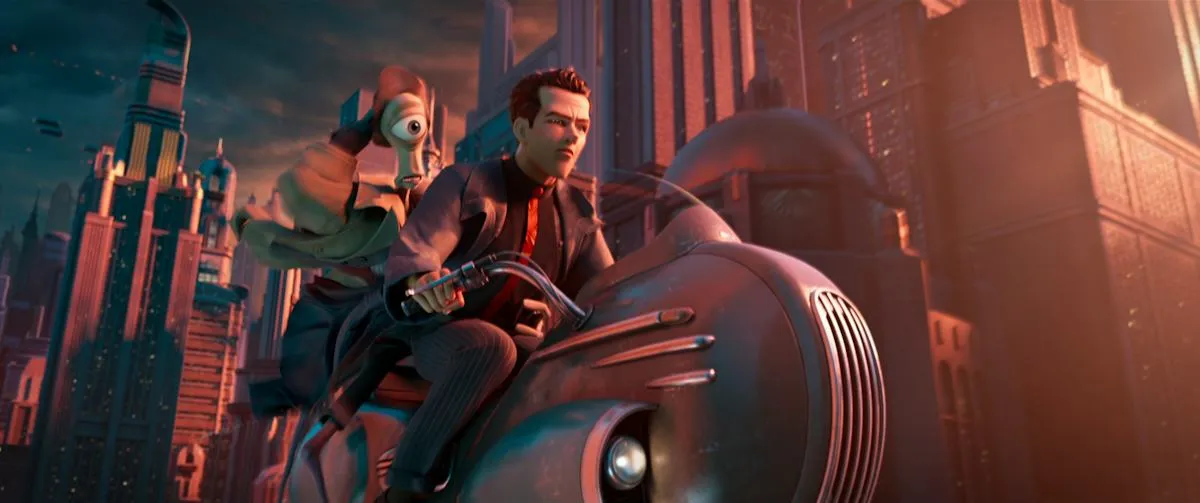
Now the raw facts, because they matter more than the hype. Raymond Gunn is a private detective, voiced by Sam Rockwell. He is hired to determine whether a superstar named Venus Nova, played by Scarlett Johansson, is a murderer. His sidekick is a one-eyed alien called Eyera, voiced by Tom Waits. That casting alone is a statement. Waits does not do children’s movies. The aesthetic sits somewhere between Dick Tracy and a Raymond Chandler novel, with flying cars, literal ray guns, and at least one shot in the trailer that feels lifted straight out of Attack of the Clones. It is cyberpunk wearing a fedora. The theatrical release date is December 4, 2026. The Netflix streaming date is December 18, 2026. Fourteen days. That window is the real story hiding inside the press release.
That two-week gap follows the Wake Up Dead Man playbook, and it confirms Netflix’s new doctrine on prestige releases. Theatrical is no longer a business. It is a marketing expense and an awards-eligibility checkbox. Netflix is not trying to win the box office with Ray Gunn. It is trying to win the December couch. Look at the calendar and the strategy becomes obvious. Blade Runner 2099 hits Prime Video on November 25, 2026. Ray Gunn lands in December 2026. Apple’s adaptation of William Gibson’s Neuromancer arrives January 22, 2027. Three retrofuturist cyberpunk properties, three rival platforms, ten weeks. This is a coordinated pile-up, whether the executives admit it or not. Each service is staking out a slice of the same audience: adults who grew up on genre fiction and now control the household subscription decisions.
Here is where the community skepticism kicks in, and it is earned. Animation fans have watched streamers burn them before. Gorgeous trailers, A-list voice casts, and then a film that tests well with nobody and vanishes into the catalog within a month. The open question with Ray Gunn is whether the noir element survives contact with algorithmic content strategy. Bird plays the detective material “somewhat straight,” per the trailer, and that is risky. Straight noir has no merchandising loop. It has no four-quadrant safety. If the film underperforms in its first weekend on the platform, Netflix’s engagement metrics will quietly bury it, and the sequel talk dies in a spreadsheet somewhere. Meanwhile, the enterprise side of this sandwich matters too. Amazon bought its way into the Blade Runner license. Apple bought Gibson. Netflix bought Bird. None of them built these worlds. They rented them, or hired the one auteur who could synthesize them from scratch.
So the cynical read, and the one I keep coming back to after years of watching platforms treat creative work as churn-suppression inventory: December 2026 is not a gift to sci-fi fans, it is a stress test. Netflix needs Ray Gunn to prove that original adult-oriented animation can anchor a holiday quarter against licensed franchise firepower from two competitors at once. If it works, expect a flood of greenlit auteur projects pitched as “not for kids.” If it fails, the lesson the platforms take will not be “make better films.” It will be “stop funding originals and buy more legacy IP.” Watch the second-week completion numbers, not the trailer views. That is where Ray Gunn actually lives or dies.
Author bio: Silas Sterling is a veteran kernel contributor and editor-in-chief of an open-source security digest, writing on platform economics, digital culture, and the intersection of technology and media.