(SeaPRwire) –
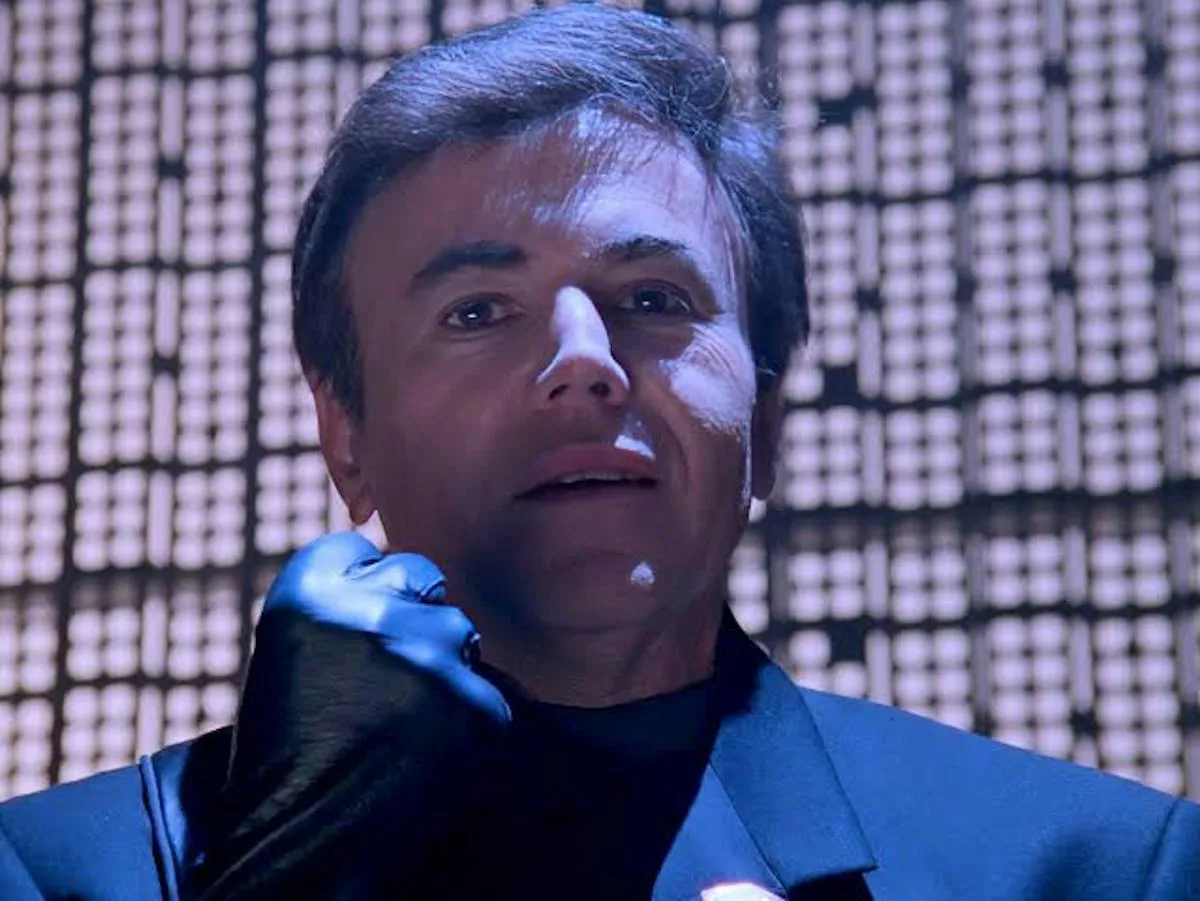
The obituaries are writing themselves right now. Every one of them will say the same thing: Walter Koenig, the man who played Pavel Chekov on Star Trek. They’ll celebrate the accent, the wig, the earnest charm. But the truth, the one the hardcore fans have known for three decades, is that Koenig’s finest hour wasn’t on the Enterprise bridge. It was on the Babylon 5 station, wearing a dark uniform and a smile that could freeze your blood.
The irony is that his most famous role actively worked against his best one. Chekov was written as a wide-eyed, loyal, perpetually optimistic officer. That character’s DNA made it almost impossible to imagine Koenig as a sinister force. Then came the episode “Mind War” in 1994. He arrived as Alfred Bester, a Psi Cop for the Earth Alliance, and the entire fandom’s understanding of him shifted. He wasn’t just a guest star; he was a revelation.
The casting story itself is a masterclass in how the industry works behind the scenes. Series creator J. Michael Straczynski originally wrote a different part for Koenig in the episode “A Sky Full of Stars.” But Koenig was recovering from bypass surgery following a heart attack. Straczynski promised him something better, and he delivered. The character was named after Alfred Bester, the Hugo Award-winning author whose novel “The Demolished Man” essentially defined the genre’s take on telepaths. The “be seeing you” farewell was a direct nod to the controlling Number 2 in “The Prisoner.” Koenig wasn’t just playing a villain; he was playing a composite of genre history.
Bester was terrifying because he never stopped smiling. In “Mind War,” he hunted Jason Ironheart, a telepath whose powers had been enhanced to a weapon. Bester didn’t care about mental privacy, and he held “mundanes” in open contempt. His power wasn’t just in his telepathy; it was in his wit. He mocked people trying to do the right thing. In “Moments of Transition,” he delivered a line that perfectly captures the character’s venom: “I mean, being a freedom fighter, a—a force for good, it’s—it’s a wonderful thing. You get to make your own hours, looks good on a resume, but the pay sucks.”
Koenig appeared in only 12 of the show’s 110 episodes. That’s a remarkably small footprint for such a massive impact. But every time he showed up, the episode’s stakes jumped. The sci-fi community talks endlessly about villains that fans love to hate. Bester remains the gold standard of that trope. He brainwashed people across a full season, schemed for ultimate power, and did it all with a twinkle in his eye.
The deeper problem is that the mainstream pop culture machine is about to reduce his legacy to a single role. They’ll show the clips from “The Wrath of Khan” and “The Voyage Home,” and that’ll be that. The nuance gets lost. If you haven’t watched Babylon 5, you haven’t seen Walter Koenig at his peak. The show streams full episodes on YouTube, and there’s no excuse to skip it. His Bester is the reason that an independent series could go toe-to-toe with Star Trek: Deep Space Nine and hold its ground. That’s not a footnote in sci-fi history. That’s the headline.