(SeaPRwire) –
By: Lucas Caldwell
Fear Street wasn’t just a lockdown hit—it was a masterclass in how Netflix could fix its biggest problem: turning flash-in-the-pan content into lasting franchises. Five years later, the trilogy still stands as one of its best originals, but the streamer’s refusal to replicate its formula says everything about its broken strategy. It’s like hitting a home run and then forgetting how to hold a bat.
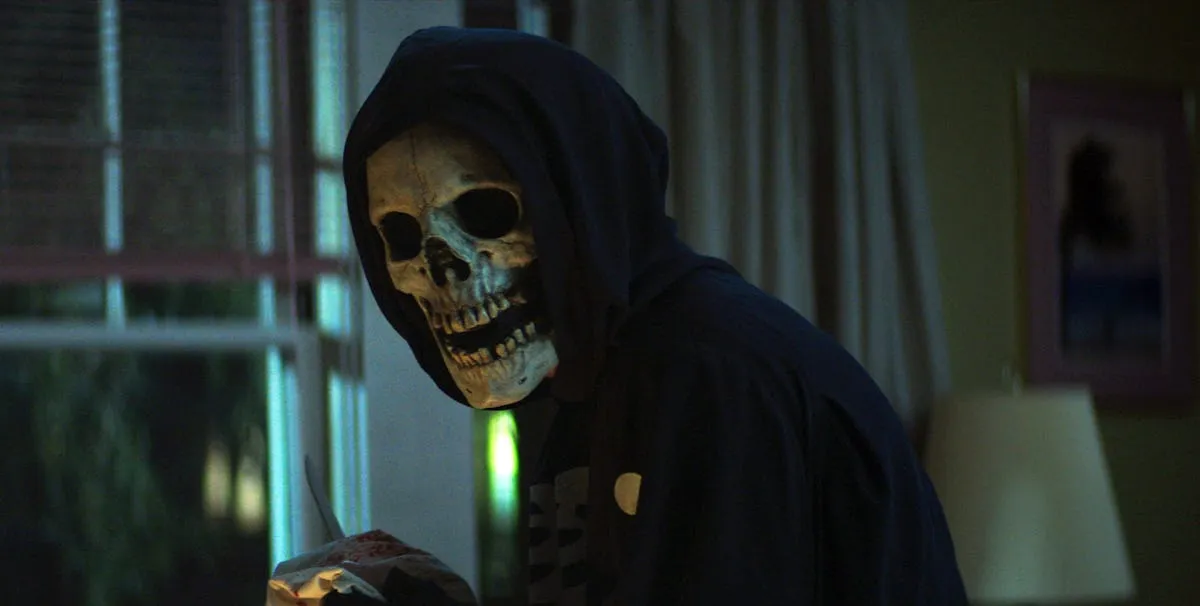
The trilogy dropped weekly in July 2021: 1994 on the 2nd, then 1978 and 1666 in the following weeks. Based on RL Stine’s mature Fear Street books, it mixed 90s slasher vibes with 70s camp horror and colonial witch lore. The timing was perfect—Delta variant pushed people indoors, and HBO Max’s same-day releases weren’t enough to fill the gap.
What made it work? Modern touches like Deena and Sam’s unapologetic relationship, gnarlier-than-expected kills, and an interconnected story that tied three eras together. Unlike Tiger King (a lockdown madness relic), Fear Street still holds up. It was fun, self-aware, and better than it needed to be—exactly the kind of content Netflix should double down on.

The biggest surprise? Netflix used weekly releases, a rarity for the binge-obsessed streamer. Weekly drops turned Fear Street into an event—fans talked about it for weeks, not just a weekend. Most Netflix shows fade after their launch weekend, but weekly series like Widow’s Bay build sustained hype. Fear Street proved this model works, but Netflix ignored it.
Then came Prom Queen in 2025. A standalone Shadyside story with no ties to the original trilogy. It was dull, a lazy recitation of 80s tropes, and flopped. Netflix missed the point: the trilogy’s magic was its interconnected narrative and weekly build. Prom Queen was a cash grab that forgot what made Fear Street special.
If Netflix keeps wasting its best franchise opportunities like Fear Street, it’ll keep ceding ground to streamers that know how to nurture their hits.
Author bio: Lucas Caldwell, tech opinion leader with millions of followers on X/Twitter, focusing on streaming strategy and content trends.