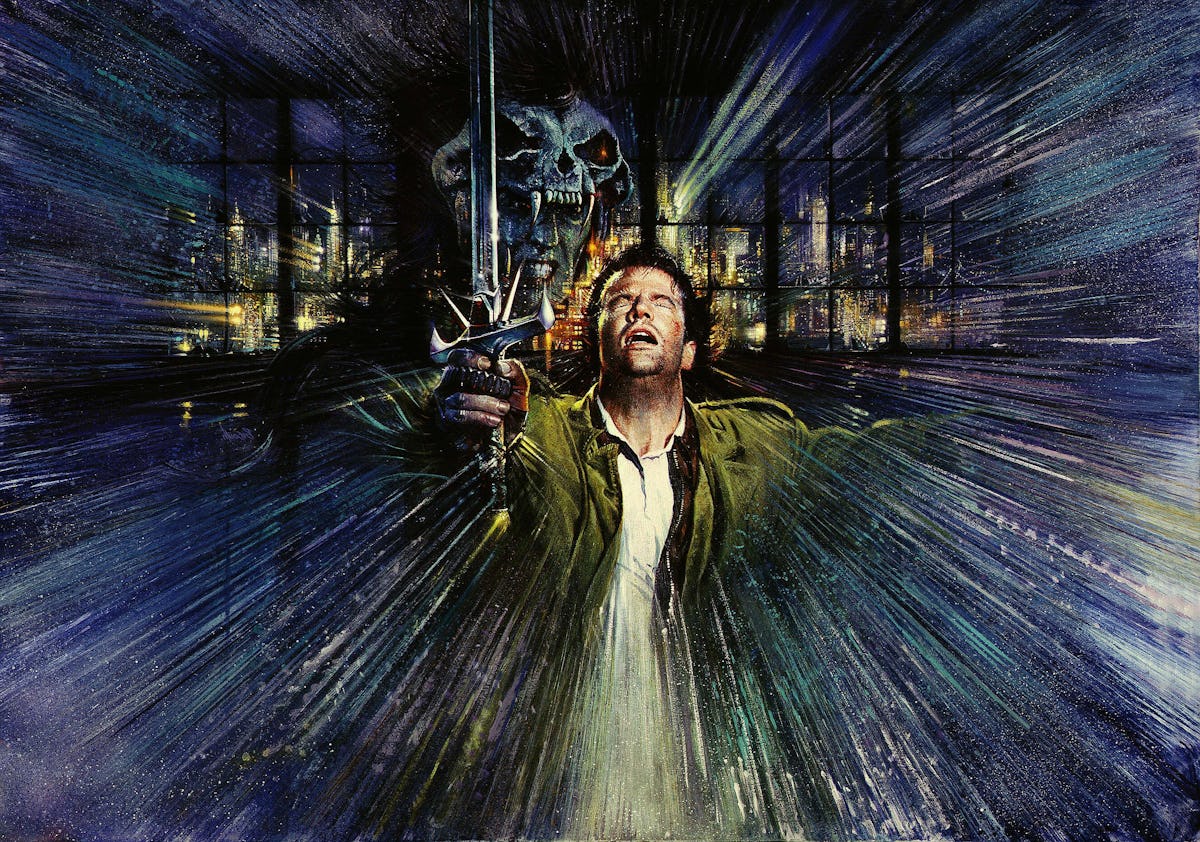
Some films that underperform at the box office go on to earn critical reappraisal, but they rarely launch as fully formed multimedia franchises right out of the gate. Even though audiences who missed The Shawshank Redemption in theaters eventually discovered it on home video, that film didn’t kick off an expanded universe with sequels, spin-offs, and merchandise. The 1986 film Highlander is a rare cult classic that was almost instantly reborn as a legitimate multimedia property with lasting cultural impact—even people who’ve never seen the 1986 fantasy action movie can recognize the line “there can be only one” or hum Queen’s “Princes of the Universe.”
The original Highlander hit theaters on March 7, 1986. It wasn’t widely beloved at the time, but it still became an enduring cult favorite. Today, the franchise is gearing up for a major comeback with Henry Cavill in a new reboot—and revisiting the original makes it clear why.
The 1980s saw numerous attempts to revive fantasy cinema, hoping a successful sword-and-sorcery film would rekindle interest in the genre the way Star Wars inspired a new era of science fiction. The few hits, like The Princess Bride and The Neverending Story, were based on existing material and appealed to all ages. In contrast, Highlander came from screenwriter Gregory Widen, who drew inspiration from the grounded medieval combat in Ridley Scott’s The Duellists; 20th Century Fox hired director Russell Mulcahy after his Australian exploitation horror film Razorback found success.
Without an epic opening crawl like George Lucas’ blockbuster trilogy, Highlander forced audiences to pay close attention to follow its admittedly confusing plot. The opening action sequence is set in 1985 at Madison Square Garden, but it soon emerges that warrior Connor MacLeod was cursed with immortality after losing his one true love in the 16th century.

Highlander might have had broader appeal if Kurt Russell—who was originally cast—had taken the lead, but his last-minute exit made Fox hire Christopher Lambert, who couldn’t speak English at the time. Sean Connery, who played Connor’s mentor Juan Sánchez-Villalobos Ramírez, was the film’s biggest name, but it was released before his comeback with an Oscar-winning role in The Untouchables and a part as Harrison Ford’s father in Indiana Jones and the Last Crusade.
Highlander had an unusual premise that made it too operatic for diehard action fans, too rooted in modernity for fantasy purists, far too violent for kids, and too silly for critics who dismissed it. While its quirky blend of influences proved perfect for future cult status, Highlander asked a lot of casual audiences expecting a more straightforward epic. Despite a $19 million budget—hefty for the time—Highlander was outperformed opening weekend by Pretty in Pink and received scathing reviews, with The New York Times joking that “the dialogue does sound a little like a commercial for a car rental outfit.”
Even though it wasn’t a hit, Highlander was marketed like one—with a video game tie-in, collectibles, and a novelization that deepened the lore from Widen’s script. When Cannon Films (the low-budget studio behind many 1980s B-movies) released Highlander on VHS, it found an audience that embraced what others had dismissed as flaws. To them, Lambert’s performance wasn’t wooden—it reflected a confused man out of time—and Connor’s melodramatic backstory fit Scottish mythology. Even skeptics could admit the swordplay was more realistic and well-choreographed than most contemporary action films, and BAFTA-nominated cinematographer Gerry Fisher added an ethereal beauty to what could have been schlock. Thanks to constant airings on HBO, Highlander finally found an audience willing to meet it on its own terms.
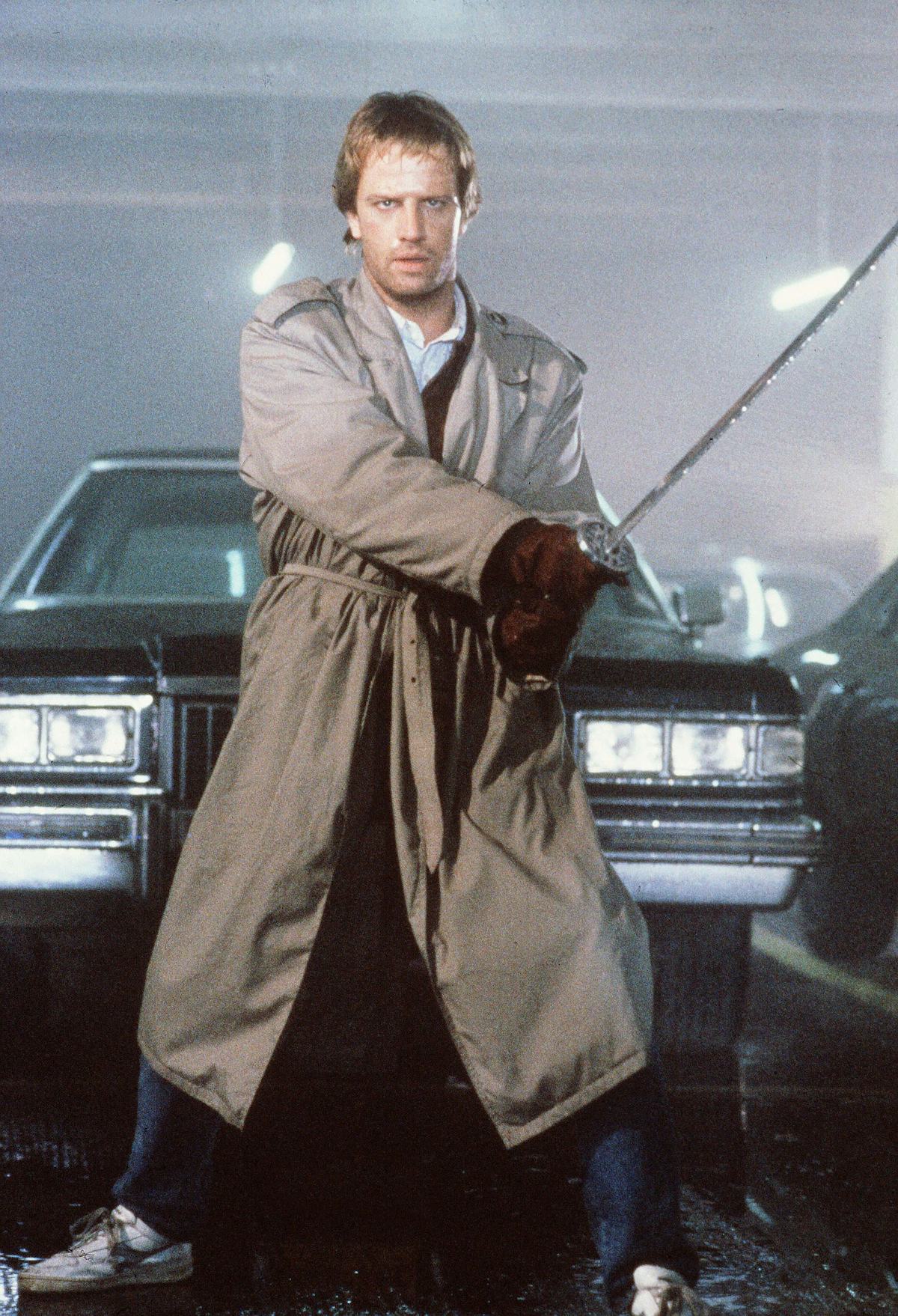
Queen’s involvement certainly helped—they were more popular than ever after their Live Aid performance a year earlier. The film’s reputation turned around so fast that Widen couldn’t even return to write the sequel because he was busy with other projects. Mulcahy, Lambert, and Connery all came back for Highlander II: The Quickening, which was called “a movie almost awesome in its badness,” but the franchise’s long-term viability wasn’t hurt by a popular TV series that launched in first-run syndication in 1992.
Highlander never became a cultural phenomenon, but it never fully disappeared either. A 1994 animated series made the franchise more family-friendly, and a string of books expanded on supporting characters—ensuring Highlander could exist without Connor. Two more theatrical sequels flopped, but by the 21st century, a cinematic audience wasn’t needed: a new generation of fans had taken up the comics, web shows, and audio dramas.
Whether Highlander still holds up is debatable—is it a genuine classic, a camp favorite, or just the first step into a larger universe? Long-rumored reboot plans finally materialized when John Wick director Chad Stahelski signed on to helm a new version with Henry Cavill, which could either honor the franchise’s legacy or fail spectacularly. The original Highlander phenomenon might be what Freddie Mercury described as “only one sweet moment”—after all, “who wants to live forever?”