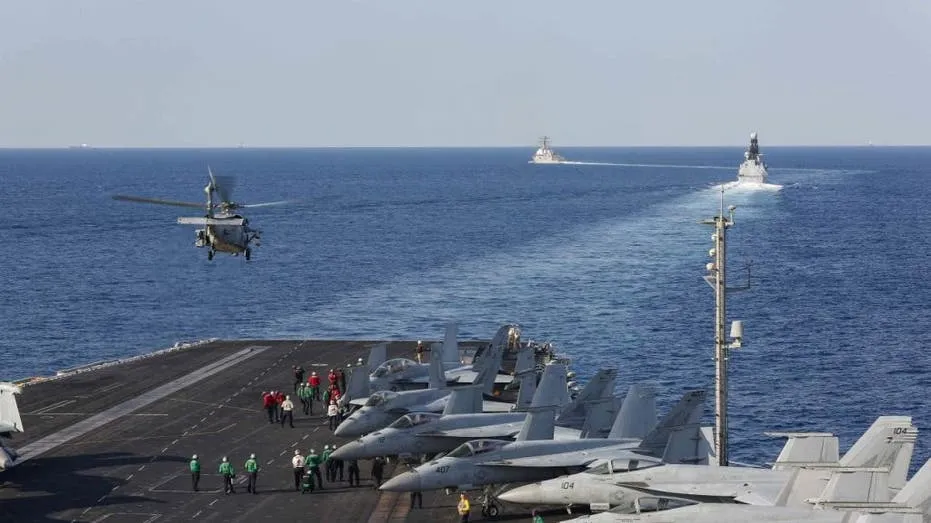
(SeaPRwire) – By: Douglas Vance
The image of a Sea Hawk splashing into the dark waters of the Arabian Sea is not just a tragic snapshot of a lost sailor. It is a stark, visceral indicator of a deeper, systemic rot in modern naval readiness. We often talk about fleet strength in terms of tonnage or missile count. We ignore the human element until it is gone. This incident reveals a dangerous complacency. The U.S. Navy operates on the edge of its logistical capacity. Every hour of flight time is a calculated risk against fatigue and mechanical stress.
Let us look at the hard facts. The MH-60S crash occurred at 3:30 a.m. ET. Three crew members survived. One remains missing. The USS George H.W. Bush is a supercarrier. It is a floating city. Yet, its rotary-wing assets are vulnerable to simple mechanical failure or pilot error in high-stress environments. Officials claim no hostile action. This is crucial. It means the enemy did not shoot it down. The enemy is entropy. The enemy is maintenance backlog. The enemy is operational tempo that outpaces recovery.
Compare the official statement with the reality on the ground. The Pentagon releases a sanitized bulletin. They emphasize the stability of the recovered crew. They highlight the active search and rescue operations. What they omit is the context. The Arabian Sea is a chokepoint. It is a region of constant tension. Pilots operate under immense pressure. They fly low. They fly fast. They fly tired. The absence of hostile action suggests a failure in the machine or the mind. Both are symptoms of overextension. We are pushing platforms beyond their designed endurance.
The geopolitical implications are severe. The 5th Fleet is the backbone of Western presence in the Gulf. Any disruption, even a non-combat one, creates a vacuum. Adversaries watch these incidents closely. They do not see a mechanical failure. They see a weakened posture. They see a navy that cannot maintain its own air wings. This erosion of confidence is more damaging than any single loss of equipment. It signals to potential rivals that the U.S. is stretched thin. It invites probing actions. It tests our resolve in ways that missiles never could.
Consider the supply chain of naval aviation. Spare parts are scarce. Maintenance crews are overworked. The lifecycle of the MH-60S is long. Parts are hard to find. The cost of keeping these helicopters airworthy is skyrocketing. When a crew member goes missing, it is not just a tragedy. It is a financial and operational blow. Search and rescue operations divert assets from other critical missions. They strain resources already allocated elsewhere. This is the hidden cost of empire. It is paid in blood and dollars.
The end-game is clear. We cannot sustain this level of operational tempo without significant reform. We need better maintenance protocols. We need more robust logistics chains. We need to acknowledge that human factors are as critical as technical ones. Ignoring these signs leads to disaster. The missing crew member is a warning. It is a call to action. We must rethink how we project power. We must prioritize readiness over presence. The sea does not care about our intentions. It only respects competence. And competence is being eroded by neglect.
Author bio: Douglas Vance, a maritime defense scholar and naval intelligence briefing coordinator with over two decades of experience analyzing global naval strategies and security threats.