(SeaPRwire) – By: Julian Holbrooke
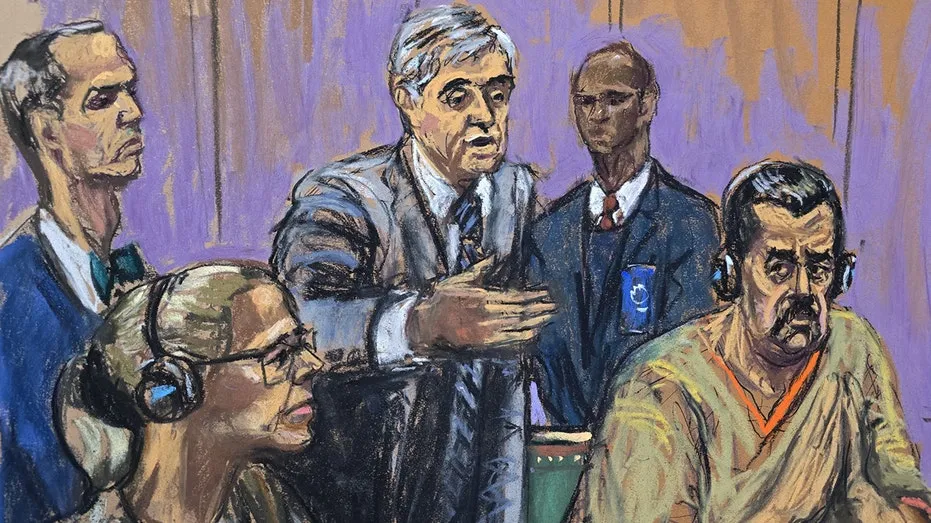
The legal net around Nicolás Maduro just tightened significantly in New York. Families of five Venezuelan men have filed a civil suit accusing the former president of orchestrating extrajudicial killings. This isn’t just another political complaint. It is a direct assault on his legacy through the U.S. judicial system. The plaintiffs target the Special Action Forces, or FAES. They allege Maduro created this unit and commanded it directly. The timeframe spans from 2017 to 2021. This period coincides with his presidency until 2026, according to the complaint. The accusations are severe. They involve torture, execution, and staged crime scenes.
The core of the lawsuit rests on the Torture Victim Protection Act. This law allows civil claims in U.S. courts for atrocities committed under foreign government authority. The venue is the U.S. District Court for the Eastern District of New York. Why New York? Because Maduro is currently detained at the Metropolitan Detention Center in Brooklyn. This proximity makes service of process straightforward. It also signals a deliberate choice by the plaintiffs to fight on American soil. They argue that justice was impossible in Venezuela. Prosecutors there refused to investigate. Senior officials faced no accountability. The families were left with no effective legal remedy at home.
FAES officers allegedly operated with impunity. They entered homes before dawn. They wore black clothing and face coverings. Young men were separated from their families. Many were forced to their knees. They were executed. The scenes were then staged to look like resistance. Officers looted homes. They planted weapons. Some victims were transported to hospitals after death to conceal the killings. Three relatives were tortured. They were beaten, detained, or forced to witness the executions. The complaint details five specific incidents involving six victims. The pattern suggests systematic abuse rather than isolated errors.
This lawsuit opens a second legal front for Maduro. He is already awaiting trial on federal drug trafficking and weapons charges. He has pleaded not guilty to those crimes. He previously described himself as a prisoner of war. Now, he faces civil liability for human rights abuses. The complaint cites reports from the United Nations, Human Rights Watch, and the U.S. State Department. These organizations have documented widespread abuses by FAES. Maduro publicly defended the force despite international criticism. His defense of the unit now forms the basis of his personal liability. The plaintiffs seek compensatory and punitive damages. This moves beyond symbolic condemnation. It demands financial restitution for the suffering caused.
The geopolitical implications are substantial. Using U.S. courts to prosecute foreign leaders sets a precedent. It bypasses diplomatic immunity in civil matters. It leverages the presence of the accused on U.S. soil. Maduro’s detention in Brooklyn transforms a distant conflict into a local legal battle. It forces the U.S. judiciary to engage directly with Venezuelan human rights violations. This is not just about Maduro. It is about the reach of American law. It tests the limits of extraterritorial jurisdiction. The outcome could influence how other authoritarian leaders face accountability. It signals that exile or detention abroad does not shield perpetrators.
The refusal of Venezuelan authorities to act strengthens the U.S. case. The plaintiffs demonstrate exhaustion of local remedies. This is a requirement under international law principles. It validates the need for external intervention. The involvement of Amnesty International and private attorneys adds weight. Their silence on immediate comment suggests strategic caution. The case will likely proceed through lengthy discovery. Evidence gathering will be complex. Witness testimonies from Venezuela may be difficult to secure. However, the documentary evidence cited is strong. UN reports and state department records provide a factual backbone.
Maduro’s status as a former president is irrelevant here. The acts occurred during his tenure. Command responsibility is the key legal theory. Did he know? Did he direct? The complaint asserts he created FAES and exercised command. Public defenses of the unit support this claim. The juxtaposition of his statements with the alleged crimes creates a compelling narrative. It paints a picture of deliberate policy rather than rogue elements. The distinction between state action and individual criminality blurs. Maduro becomes personally liable for state-sponsored violence.
The broader context involves Venezuela’s ongoing instability. Economic collapse and political repression have driven migration. Families suffer while leaders evade justice. This lawsuit offers a sliver of hope for victims. It acknowledges their pain in a formal legal setting. It challenges the culture of impunity. The demand for punitive damages serves as a deterrent. It aims to make human rights violations costly. Even if enforcement is uncertain, the moral judgment stands. The U.S. court becomes an arbiter of international norms.
This legal strategy mirrors other high-profile cases. It uses existing statutes creatively. The Torture Victim Protection Act is rarely invoked in this manner. Its application here expands its scope. It connects domestic detention with international crimes. It turns a criminal defendant into a civil target. The dual proceedings create a comprehensive legal trap. Maduro cannot escape scrutiny in either arena. The political fallout will be significant. It isolates him further on the global stage. It reinforces his pariah status.
The conclusion is stark. Justice may be delayed but it is being pursued. The families refuse to accept oblivion. They demand recognition of their loss. The U.S. legal system provides a platform for this demand. It does not guarantee victory. But it guarantees attention. The case will reshape discussions on accountability. It will test the resilience of international law. Maduro’s fate is now intertwined with American jurisprudence. The gavel swings in Brooklyn. The echoes will be heard in Caracas. And potentially elsewhere.
Author bio: Julian Holbrooke, an overseas international relations analyst who frequently contributes to major European daily newspapers, specializes in geopolitical legal frameworks and cross-border accountability mechanisms.