(SeaPRwire) – By: Julian Holbrooke
Pope Leo XIV’s first major test of unity has ended in a public, irreversible split. His personal plea to the Society of St. Pius X (SSPX) fell on deaf ears. The Vatican’s excommunication of six bishops isn’t just about unauthorized ordinations. It’s a desperate bid to reassert authority over a movement that has defied Rome for decades. Leo came to the papacy promising to heal rifts with conservative Catholics. This move undermines that promise, or perhaps redefines it in ways no one expected.
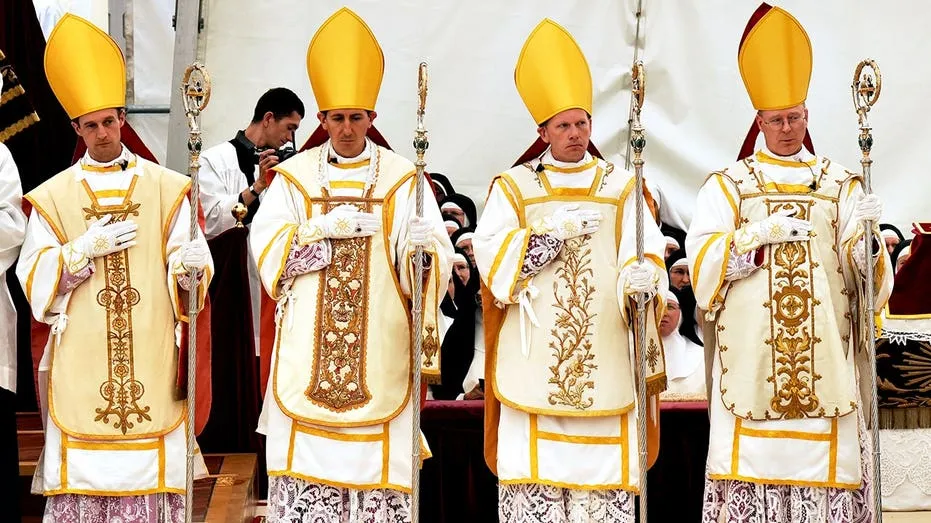
The official Vatican decree frames the action as a defense of apostolic succession. Only the pope can approve bishop consecrations, it states. The SSPX’s Wednesday ceremony in Écône, Switzerland, was a schismatic act—an intentional break from the Church. But behind the formal language lies a deeper truth. Leo inherited a Vatican that spent years making concessions to the SSPX. Those concessions didn’t bring reconciliation. They let the group grow into a global force with hundreds of priests, seminarians, and followers in dozens of countries. Leo’s excommunication is an admission that soft diplomacy failed. He couldn’t let the SSPX flout his authority without consequences, not if he wanted to maintain his standing with mainstream Catholics.
The official statement reverses recent concessions, stripping the SSPX of the right to validly administer confession and marriage. It urges Catholics attending SSPX Masses to separate themselves from the movement. But the subtext here is a repeat of history. In 1988, SSPX founder Marcel Lefebvre was excommunicated for consecrating four bishops without papal approval. Pope Benedict XVI lifted those sanctions in 2009 to restart dialogue. The SSPX never returned to full communion. Now, Leo is closing that chapter. He can’t afford to be seen as weak by either progressives or traditionalists. His outreach to conservatives during Francis’ papacy means he must draw a line when authority is openly challenged. SSPX leader Davide Pagliarani’s claim that the ordinations were in service to the Church only amplifies the split. It frames the conflict as a battle over true Catholic identity, not just institutional rules.
This split won’t heal anytime soon. The SSPX will frame itself as the guardian of true Catholic tradition, rejecting the Second Vatican Council reforms that Rome embraces. More disillusioned traditionalists will likely join their ranks, drawn by the group’s uncompromising stance. The pendulum of Catholic unity has swung further away than it has in decades. Leo’s first major showdown didn’t fix a rift. It carved a deeper, more permanent divide.
Author bio: Julian Holbrooke, an overseas international relations analyst contributing to major European daily newspapers, focuses on religious geopolitics and institutional power dynamics.