
Thirty years ago, when a generation of early video gamers first grabbed a PlayStation controller and stepped into the Spencer Mansion, no one could have predicted it would become an overnight cultural phenomenon. Long after the era of flesh-eating zombies had faded, Capcom’s team breathed new life into the genre with the original Resident Evil—a game that didn’t just revitalize zombie media but essentially created the blueprint for the modern survival horror game. It goes without saying the first game was an unprecedented success, spawning both a long-running video game franchise and a multimedia empire.
Despite past turbulent attempts to bring Resident Evil to the big screen, Sony Pictures is gearing up to unleash the T-virus on audiences once again—this time with . While his last two films were critical and commercial hits, recent comments from one of the movie’s producers have left fans feeling a bit apprehensive, even though those remarks suggest a far more satisfying experience for both fans and newcomers than anything prior.
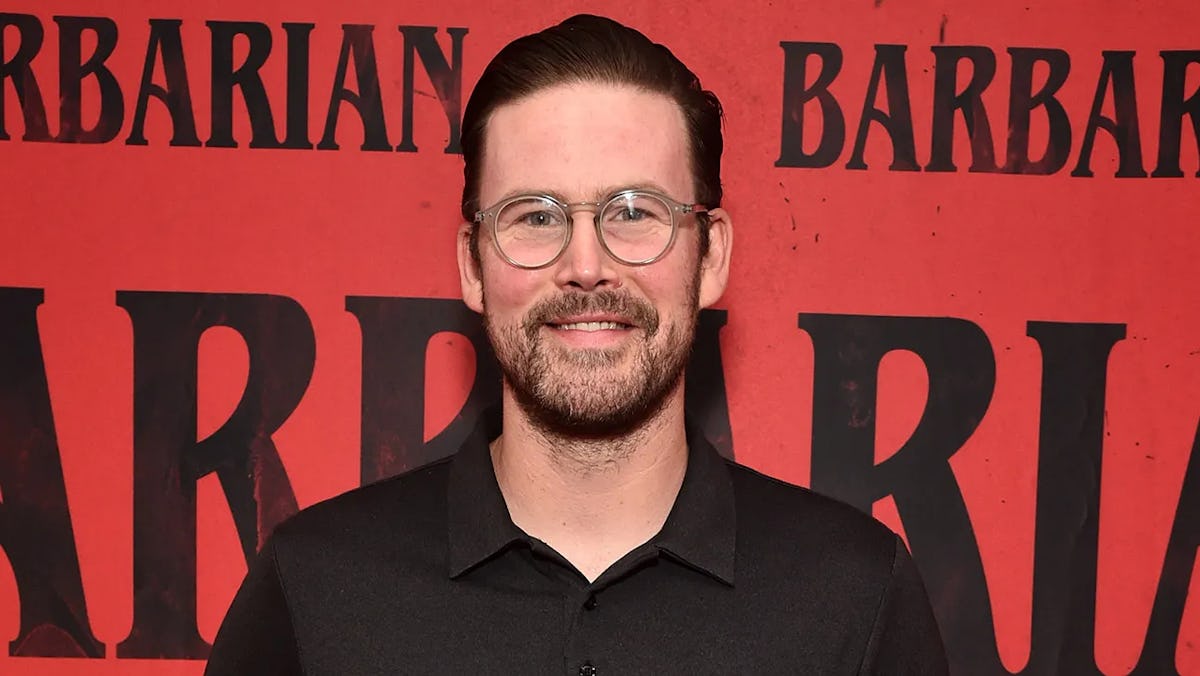
In , Oliver Berben, CEO of Constantin Film, described the upcoming reboot (which recently wrapped filming) as “far away from everything connected to Resident Evil,” citing Cregger’s unique vision as a filmmaker as the reason they wouldn’t directly adapt the game. Naturally, some fans were frustrated by the implication the movie would deviate from canon—especially since the first six films (each following Milla Jovovich’s original character on a globe-trotting adventure) grew increasingly distant from established lore, to the point they barely resembled Resident Evil by the third movie. However, the core issue with the Paul W.S. Anderson films was never narrative fidelity, but a mismatched tone and identity. While the first few games were defined by claustrophobic, slow-building dread and a deliberate lack of resources and control, Anderson opted for a guns-blazing power fantasy that only grew more absurd and over-the-top.
Faithfulness to source material doesn’t guarantee success, either—Johannes Roberts stuck closely to the structure of the first two games with 2021’s Welcome to Raccoon City, yet it was neither a critical favorite nor the box office juggernaut the previous series had been. To some degree, a 1-to-1 remake will always invite disappointment simply because it lacks the immersion and interactivity that made the original game so uncanny and revolutionary. Sure, you can watch Robbie Amell play Chris Redfield and go through the same motions, but it will never be as visceral or terrifying as living through those moments in the game yourself.

If Berben’s comments hold—namely that Cregger had “carte blanche to do whatever he wanted”—this is already the most promising Resident Evil adaptation yet. Freed from the constraints of previous versions (whether forcing films to be unrecognizable for new audiences or slavishly adhering to the source), this reboot can honor the fundamentals that make Resident Evil beloved while giving fans something fresh and unique.
Cregger’s fan energy radiates from every interview about the project, and his note that Resident Evil 2 through 4 are major references for the film’s world and tone proves his original vision doesn’t have to clash with the elements that kept fans coming back for 30 years. Even if Leon Kennedy or Albert Wesker never appear, the stark, dread-inducing terror of Weapons and Barbarian could still replicate the nightmarish horrors of Raccoon City.