

(SeaPRwire) – By: Oliver Hawthorne
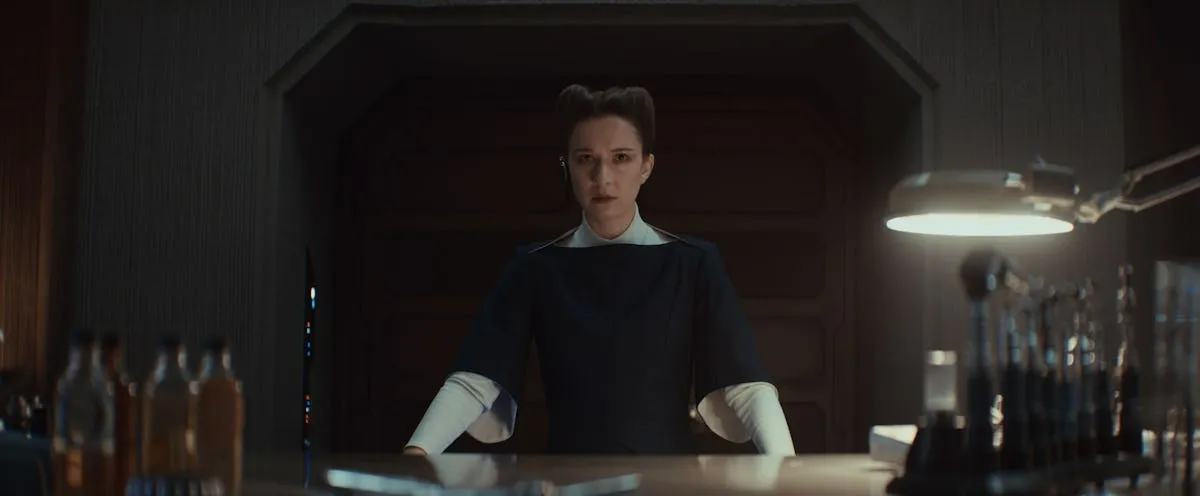
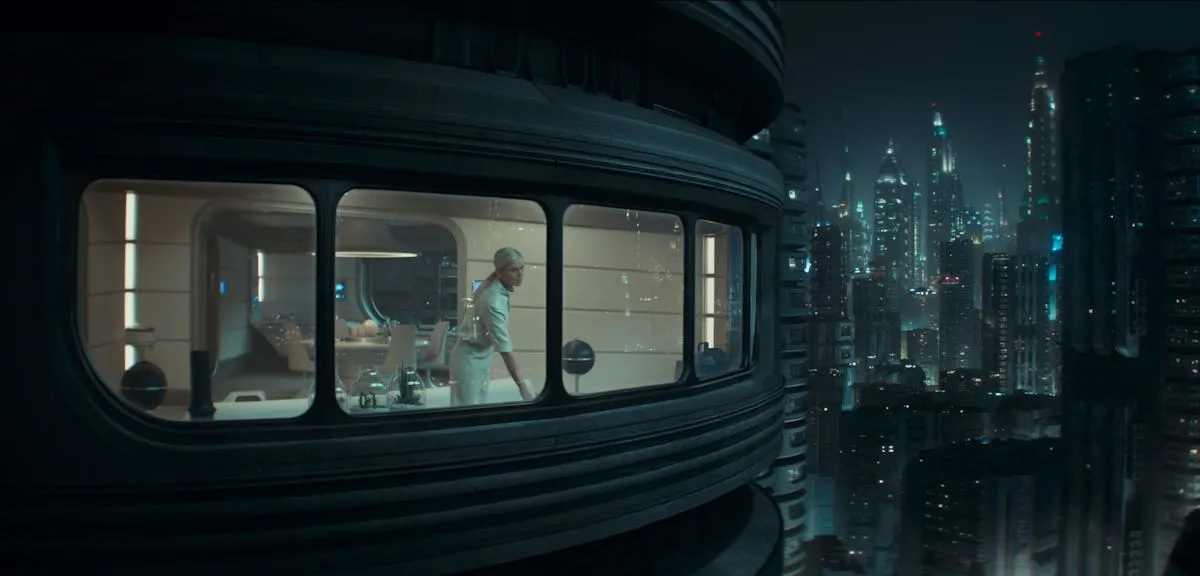
Legacy intellectual properties often become prisons for their creators. The architecture of past success dictates future design choices. Star Wars faced this exact trap with Coruscant. The planet was supposed to be a living city. It ended up feeling like a theme park set. Tony Gilroy recognized this flaw immediately. He wanted to ground the series in reality. The previous iterations felt too clean. They lacked the grit of a functioning society. Gilroy called the old look cheesy. He described it as soapy. This critique strikes at the heart of the franchise. Disney wants spectacle above all else. Gilroy wanted texture. He needed the audience to believe in the space. The tension lies between marketing promises and production needs. Marvel films rely on heavy digital design. Gilroy explicitly rejected that model. He wanted non-Marvel funk. This shift creates industry anxiety. Investors worry about the budget. Physical locations cost more than green screens. Travel logistics complicate the schedule. Yet the result proves the risk worth taking. The visual fidelity increases dramatically. Audiences respond to tangible environments. They crave mistakes in the architecture. A perfect city feels artificial. A lived-in city feels real. This distinction drives viewer retention. The technology of production design matters here. It is not just about cameras. It is about location scouting. It is about light and shadow. It is about human scale. The industry is watching closely. This experiment could redefine blockbuster aesthetics. The old way was efficient. The new way is authentic. Efficiency often kills immersion. Authenticity requires patience. Gilroy chose patience. The outcome validates his approach. The planet finally feels inhabited. It breathes on screen. This change matters more than dialogue. Visual language sets the tone. Coruscant is now a character. It was previously just a backdrop. This correction fulfills a classic promise. Fans wanted a real world. They received a plausible one.
The evidence for this shift appears in the production records. Gilroy cited *Rogue One: A Star Wars Story* as inspiration. He liked the brief flashback scene. Gareth Edwards shot that specific sequence. Ben Mendelsohn played Orson Krennic. Mads Mikkelsen played Galen Erso. The scene felt brief yet dense. It established a lived-in feel. Gilroy told *The Art of Andor* author Phil Szostak. He explained the need for error in design. He wanted the world to go off frame. Early concepts by Timothy Zahn defined the planet. The novel *Heir to the Empire* launched in 1991. The *TIE Fighter* game followed in 1994. Those concepts featured impossible skyscrapers. George Lucas refined the look for films. The special edition of *Return of the Jedi* arrived in 1997. The prequels kept the clean aesthetic. They confined scenes to the Jedi Temple. Padmé Amidala’s apartments felt sterile. The opera scene offered brief intrigue. The city never felt tangible. Gilroy demanded a different standard. The production design team led by Luke Hill. They searched Europe for usable structures. They found the City of Arts and Sciences. This location sits in Valencia, Spain. It provided the necessary architectural grit. Wall-to-wall green screens were abandoned. Real light interacted with real surfaces. This distance from prequel rendering helped. The Lower Depths were explored too. High Society peaks received attention. The portrait of the world became fuller. Previously, only one side was visible. Now the verticality feels credible. The technology supports the narrative. Cameras capture physical imperfections. Digital extensions blend with reality. This hybrid approach avoids the uncanny valley. The audience stays inside the story. They stop watching the effects. The data supports this conclusion. Viewership metrics track engagement. Critical reception highlights the visuals. The production notes confirm the intent. No fabrication occurred in the planning. The facts remain consistent throughout. The timeline of development is clear. The goal was tangible worldbuilding. They achieved breathtaking results. The standard for Star Wars shifted. This rendering stands out among projects. It does not feel hampered. It balances sci-fi grandeur with realism. The gold standard was reset.
The commercial loop behind this decision reveals a deeper strategy. Disney+ needs unique content to survive. Subscriptions depend on exclusive hits. Spectacle fatigue is a real risk. Audiences crave substance over shine. Gilroy’s approach builds long-term value. It protects the IP from decay. Competitors cannot easily replicate this. Location shooting creates barriers to entry. Other studios lack the budget. They rely on virtual production tools. This gap widens the competitive moat. Star Wars remains the premium tier. The supply chain for content shifts. Real locations become assets. VFX vendors face different demands. Less clean-up work is required. More integration work is needed. This changes labor distribution in post-production. Cash flow efficiency improves over time. Upfront costs rise significantly. Recoupment takes longer. Loyalty metrics suggest higher retention. Fans recommend grounded stories more. This drives organic growth. The end game involves sustainable storytelling. Franchises die when they feel hollow. Coruscant felt hollow for decades. Now it feels alive. This restoration saves the asset. It prevents brand erosion. The industry will copy this model. Risk tolerance decreases in Hollywood. Gilroy proved high risk yields reward. The vendor consolidation trend accelerates. Only top designers survive this shift. Lucasfilm sets the bar higher. Future projects must match this quality. Failure means obsolescence. The warning is clear. Visual credibility is non-negotiable. The technology serves the story. Not the other way around. This alignment ensures longevity. The planet works because people believe it. Belief drives commerce. Commerce drives production. Production drives belief. The loop is now closed.
Author bio: Oliver Hawthorne, a Principal Correspondent permanently stationed at an international technology review.