

(SeaPRwire) – By: Lucas Caldwell
Theatrical cinema is dying a slow death across the globe. Streaming giants usually reserve big-screen events for fresh blockbusters. Releasing a 1988 animation in IMAX defies standard market logic. Crunchyroll and Sony claim it is about restoration. They ignore the deeper shift in media consumption habits. Gen Z viewers demand tangible cultural artifacts over digital downloads. Consumers seek authentic experiences amidst digital saturation. The silver screen becomes a pilgrimage site again. This move signals a reversal in the streaming-first paradigm. Legacy IP is no longer just content library fodder. It is now experiential merchandise. The physical ticket stub matters more than the data packet. We are witnessing a nostalgia-driven infrastructure play. This trend challenges traditional distribution models globally. Audiences crave physical tickets more than ever before.
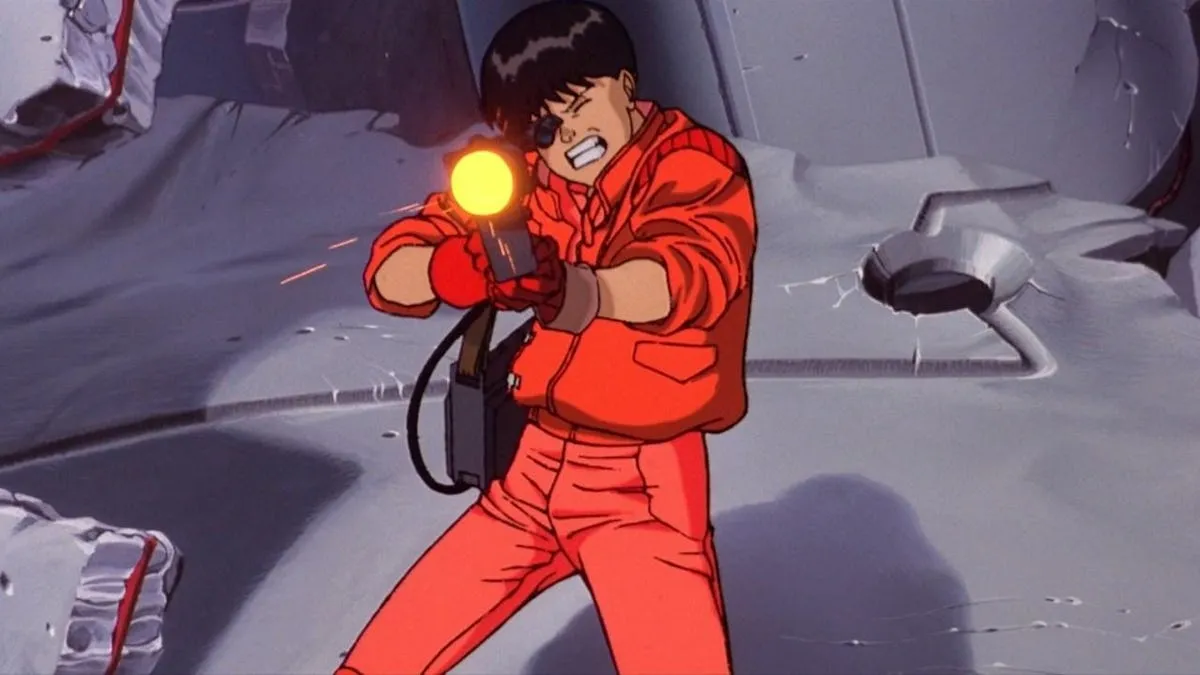
Katsuhiro Otomo’s Akira hits US theaters on September 4th. Restoration is available in 4K resolution. IMAX branding adds premium pricing leverage. Crunchyroll announced the campaign on July 2nd. A new trailer premiered in Japan in 2020. Historical data confirms the film’s initial commercial struggle. Box office records from 1989 prove initial impact. The film originally broke anime into the American mainstream. Early attempts like Astro Boy failed to capture adult audiences. Akira proved anime could handle complex dystopian narratives. The plot centers on street gangs in Neo-Tokyo. Nuclear fallout shapes the background of the story. Telekinetic powers drive the climax of the narrative. These facts establish the foundation for the current hype cycle.
It inspired The Matrix and Cyberpunk 2077. It paved the way for Dragon Ball and Pokemon success. Ghibli films followed a similar distribution path. Streamline Pictures handled initial American dubbing efforts. VHS copies circulated in comic book shops during the 90s. DVD releases solidified its status in 2001. Otomo cites Easy Rider as an influence on the bike gangs. Socialization themes remain relevant to modern youth. Society often robs kids of their future possibilities. Military complexes exploit vulnerable populations in the fiction. Narrative elements resonate with geopolitical anxieties. Osmosis drives its enduring popularity across generations. Legacy status ensures survival against market volatility. Art style defines the cyberpunk aesthetic globally.
Services suffer from content library bloat. Viewers cannot distinguish between hours of footage. Exclusivity creates artificial scarcity. Scarcity drives immediate revenue spikes for distributors. Legacy titles have zero production costs attached to them. Margins on re-releases exceed original production runs significantly. This strategy tests audience willingness to pay for premium formats. It validates the viability of physical cinema spaces. Theater chains benefit from non-competitive high-margin events. Revenue streams diversify beyond monthly subscription fees. The model threatens the sustainability of subscription-based video. Ad-supported tiers rely on ad inventory volume. Theatrical events reduce time spent on apps. The industry balances digital retention with cash flow needs. Profit margins improve drastically for legacy owners.
Owners realize shelf-life exceeds original release windows. Revitalization keeps brand equity alive without content. Fans pay repeatedly for assets over decades. This loop reduces risk in creative development pipelines. New projects require massive capital injection before validation. Old projects already proved their market viability globally. Marketing spend focuses on hype rather than discovery. Discovery is expensive in crowded content markets. Hype relies on existing emotional connections. Emotional connections generate word-of-mouth promotion organically. Organic promotion lowers customer acquisition costs for platforms. Teams focus on execution rather than validation. This model ensures stability for shareholders globally. Long-term value creation supersedes short-term content trends.
Theatrical nostalgia will remain the last profitable fortress for major media conglomerates.
Author bio: Lucas Caldwell, a tech opinion leader with millions of followers on X/Twitter, specializing in media infrastructure and digital consumption trends.